
Do you have moisture problems in your home?
About 1 in 4 homes in Flanders suffers from moisture problems. There may be many causes for this, but fortunately there are also many solutions to tackle damp problems once and for all. A tip: make use of the free moisture diagnosis from AquaConsult to have your visible and hidden moisture problems expertly diagnosed and calculated. Our field engineers will then pay you a no-obligation visit. By the way, did you know that AquaConsult has a no-dry-money-back guarantee has of 20 years and operates all over Flanders?
Contact AquaConsult now for a free expertise and our field engineers will visit you with no obligation.
Different types of moisture problems
There are many types of moisture problems, and each requires a different approach. Therefore, it is extremely important to get a correct diagnosis. If you address the moisture problem incorrectly, it will lead to unnecessary costs. To avoid this, it is wise to get a expert consult in determining the right treatment for the specific situation. That way, you are assured of the correct approach.


Even in new-build homes?
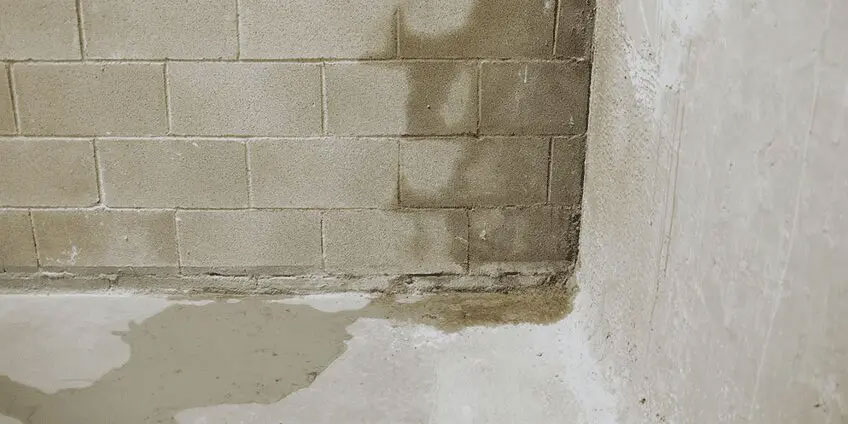
That too new-build homes can suffer from moisture problems surprises a lot of people. Here, there is usually no rising damp, although of course there are always exceptions. No, in new-build homes we generally identify two types of moisture problems:
Problems caused by premature wear or unforeseen circumstances
Consider a faulty chimney, a leaking gutter or a fault in construction (e.g. a bridge in the cavity)
Problems caused by a faulty ventilation circuit
Newly built houses are very well insulated and sometimes too well: so here it is more important than elsewhere that ventilation works correctly!
The effects of moisture problems in the home
Everyone knows that moisture problems are bad for housing quality and home value. But what are the most serious consequences of damp problems? We list them here:
Health consequences of moisture problems
A lot of people get respiratory problems, complaints related to asthma or allergies. This is one of the most pressing consequences of moisture problems. This is because a damp house has worse air quality than a house with dry walls and proper ventilation. Especially in rooms where mould can also thrive, the air quality is below standard. Therefore, breathing in a house with moisture problems is simply less healthy than in an untouched house.
Impact of moisture in the home on livability
Even for people who do not experience health problems, it is not pleasant to live in rooms with moisture problems. Nobody likes to see moisture spots on the wall or incipient mould growth. Besides, don't let sheer aesthetics stop you from taking action anyway. Because the earlier you can detect the moisture problem, the easier it is to treat. So do not hesitate to call in a damp expert if you should discover one or more symptoms.
Effects of humidity on energy costs
Anyone who has to heat a humid room will use more energy. Even if the humidity is only a few percent higher than in a normal situation, you will find it much harder to get the room pleasantly warm. A dry room is significantly easier to heat than a humid room.
A damp house is worth less
All the factors listed above naturally cause an overall decline in the value of the property.
So, if you own a house in which moisture problems exist, you have every interest in addressing the situation. Even for homes in which moisture problems only manifest themselves in winter, it is important to raise the alarm in time.
Identifying and dealing with moisture problems
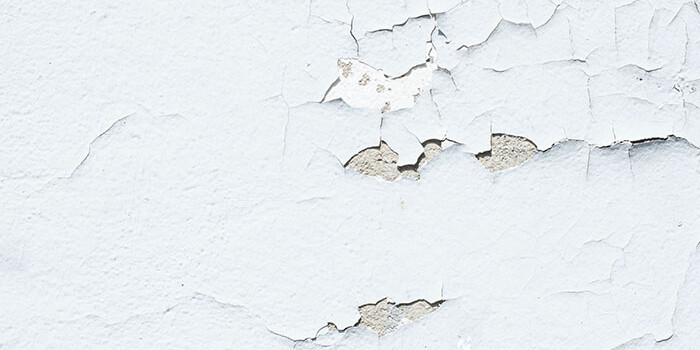
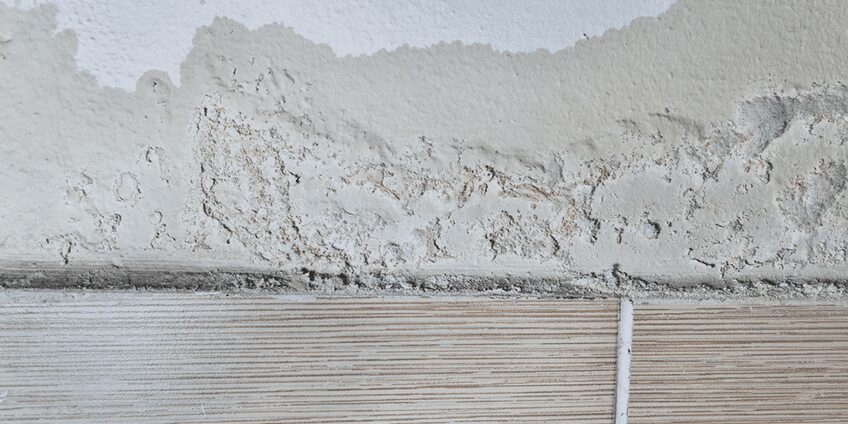
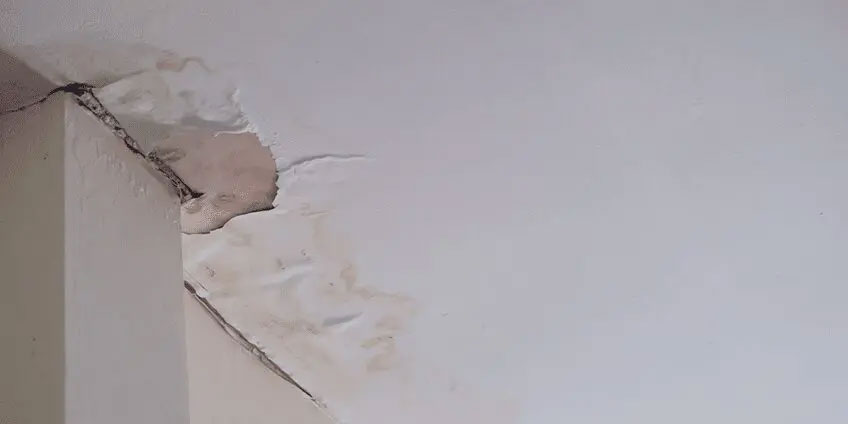
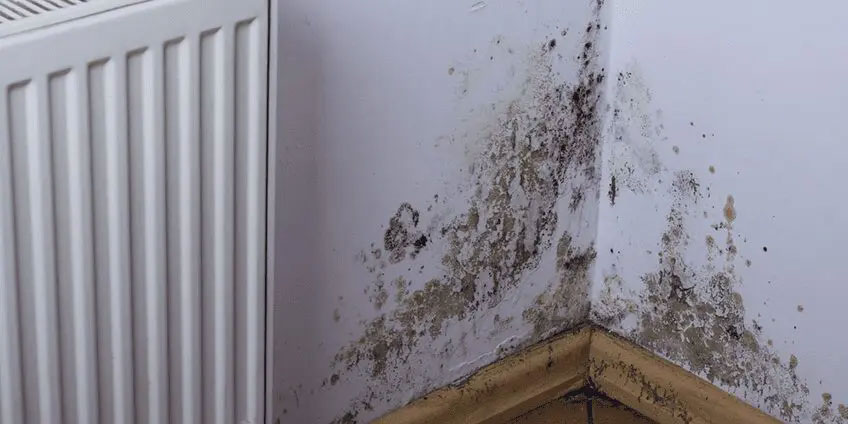
So to avoid the negative consequences of moisture problems in your home, it is very important to detect the moisture problem in time. You can recognise moisture problems in many ways. We list the main symptoms:
Doubting whether you are dealing with moisture problems?
Consult our experts. If required, they can further help you with the fighting the moisture problem. Our extensive knowledge and experience guarantee you get a tailor-made solution.

Grants for moisture treatments
If you decide to resolutely tackle the damp walls and hire an AquaConsult damp specialist, you can check which (renovation) grants you are all entitled to. In Flanders, at provincial and municipal level, some renovations and improvement works are subsidised. Do not hesitate to contact us to find out more about this.
More information and brochure request
Answer the questions below and get more information based on them.

AquaConsult
Moisture problems
Moisture solutions
Frequently asked questions about damp problems
Many external consultancy firms specialising in moisture control You can easily end up paying hundreds of euros for an official damp survey. At AquaConsult, however, we believe that an accessible damp diagnosis is the first step towards a permanently dry home. That is why a professional moisture measurement completely by our experts free of charge and with no obligation. Our experts will visit you with state-of-the-art measuring equipment to determine the exact moisture levels and identify the underlying cause of the damp problem. Following the assessment, you’ll receive clear advice and a bespoke, no-obligation quote. This way, you’ll know exactly where you stand, without it costing you anything up front.
Yes, as a resident of Flanders, you can reduce the cost of resolving damp problems by the My Renovation Premium. Moisture control techniques such as treating rising damp via wall injections, repairing damp cellars via basement waterproofing and waterproofing the façade fall into the ‘external wall’ or ‘supporting structures’ categories. Depending on your income and family circumstances, you can claim back between 35% and 50% of the investment. In addition, if your property is more than 10 years old, you’ll benefit from the reduced VAT rate of 6% instead of 21% for both labour and materials. Our experts are familiar with the current subsidy conditions. Once the work is complete, they will provide you with all the necessary technical documents and certificates to ensure that your subsidy application is processed smoothly and without any errors.
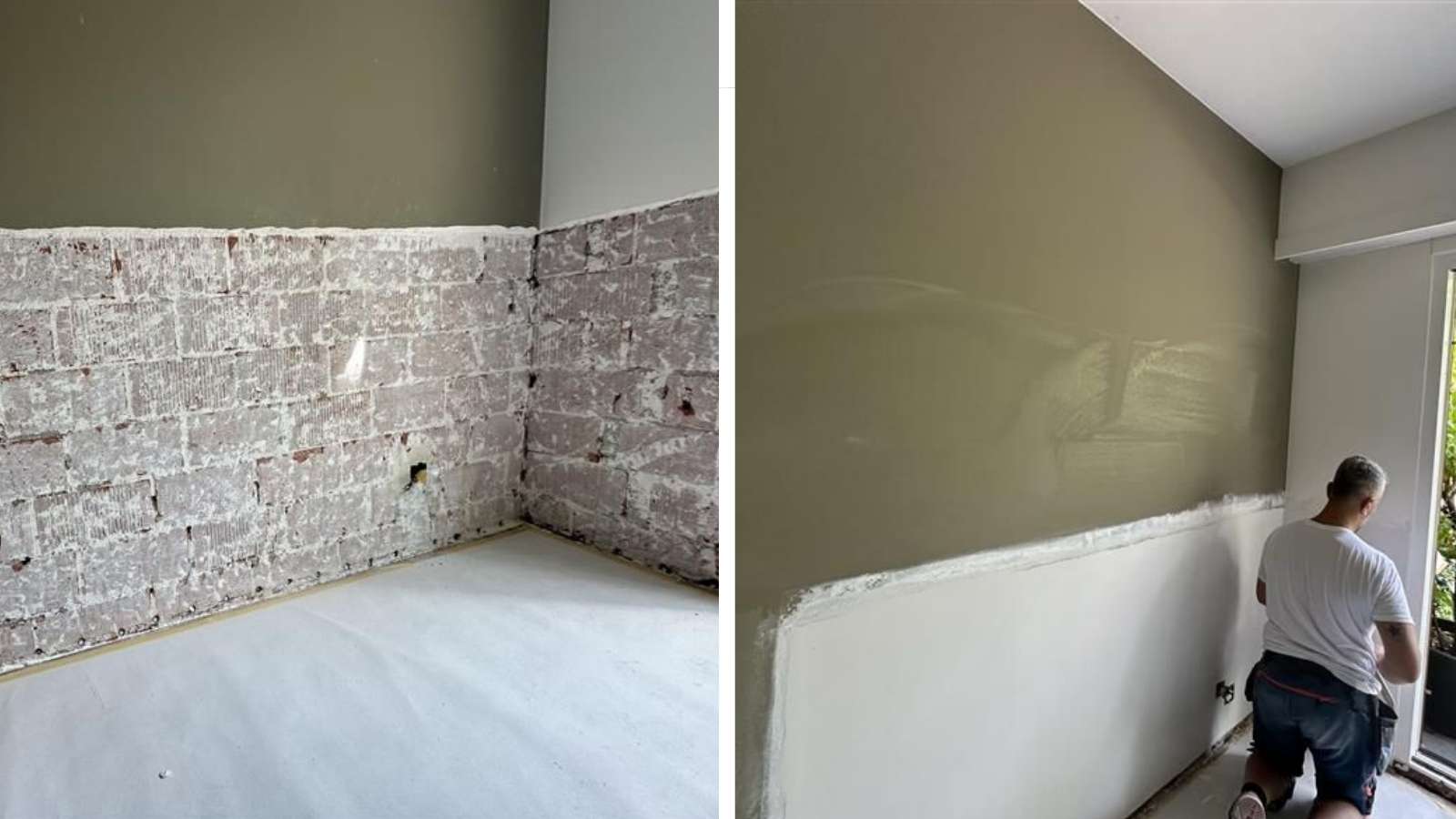
There is no such thing as the ‘best’ solution, because every damp problem has a specific cause. The best approach is therefore always a bespoke solution that tackles the root cause of the damp. For example, there is no point in to waterproof a façade if the problem rising damp stems from the foundations. The effectiveness of the treatment depends entirely on correctly linking the damp problem to the appropriate technique. Furthermore, a sustainable solution requires the use of high-quality, certified materials and professional expertise. By opting for AquaConsult’s comprehensive approach, in which the source of the damp is permanently sealed and the walls are subsequently finished correctly using damp-proofing plaster, you can be sure of a result that will last for decades.
As a homeowner, there are a number of effective preventative measures you can take yourself to minimise superficial damp problems. These include ensuring the house is well ventilated, always using the extractor fan whilst cooking, and drying the bathroom straight away after showering to condensation moisture to reduce. Cleaning blocked gutters also prevents rainwater from seeping in via the external walls. However, when it comes to structural damp problems, DIY solutions such as damp-proof paint or temporary moisture absorbers are, unfortunately, not enough. They merely mask the problem temporarily, whilst the damage to the structure continues to spread unseen. For these deeper-rooted problems, it is best to call in an expert such as AquaConsult straight away, to avoid higher renovation costs.
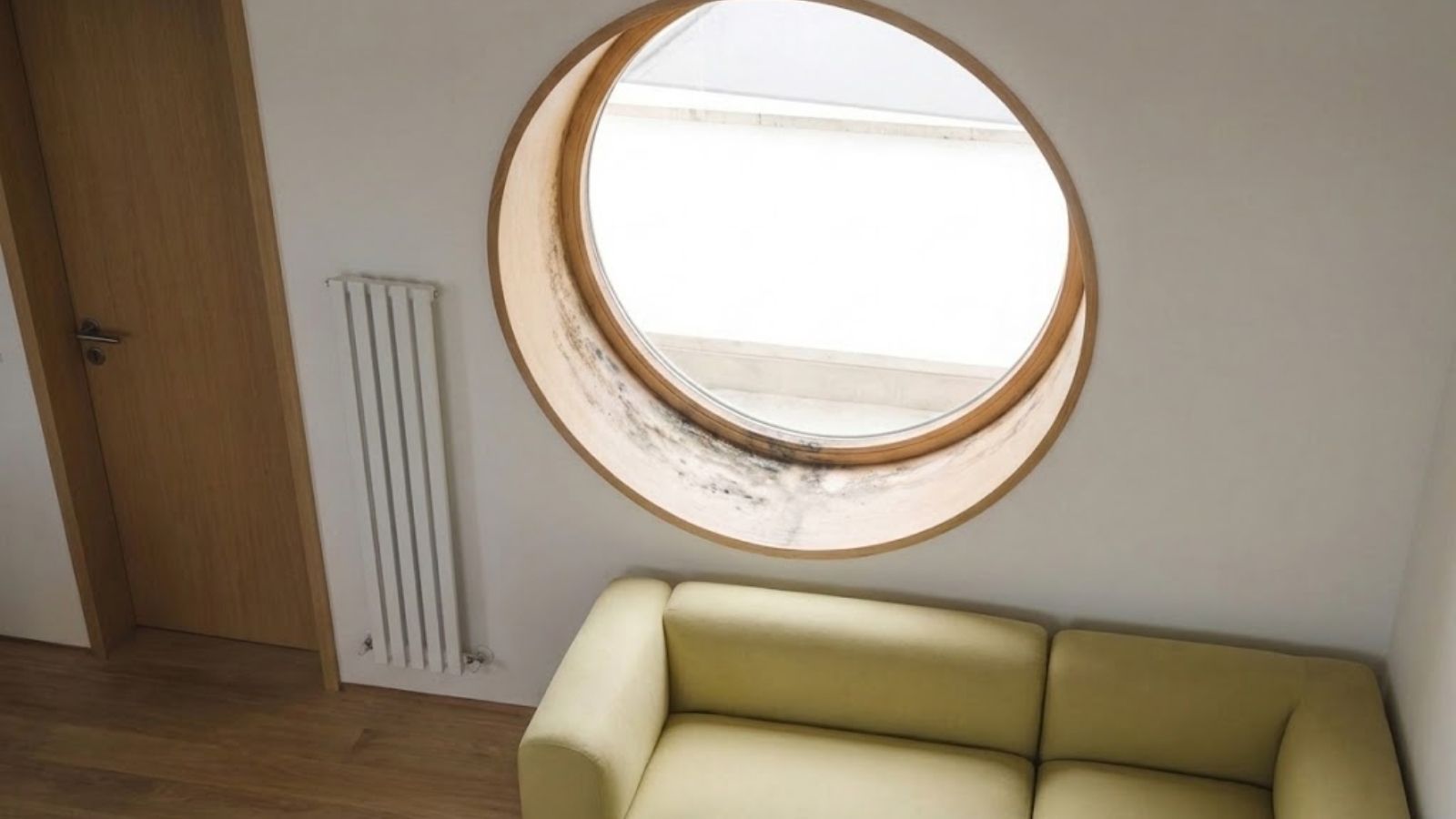
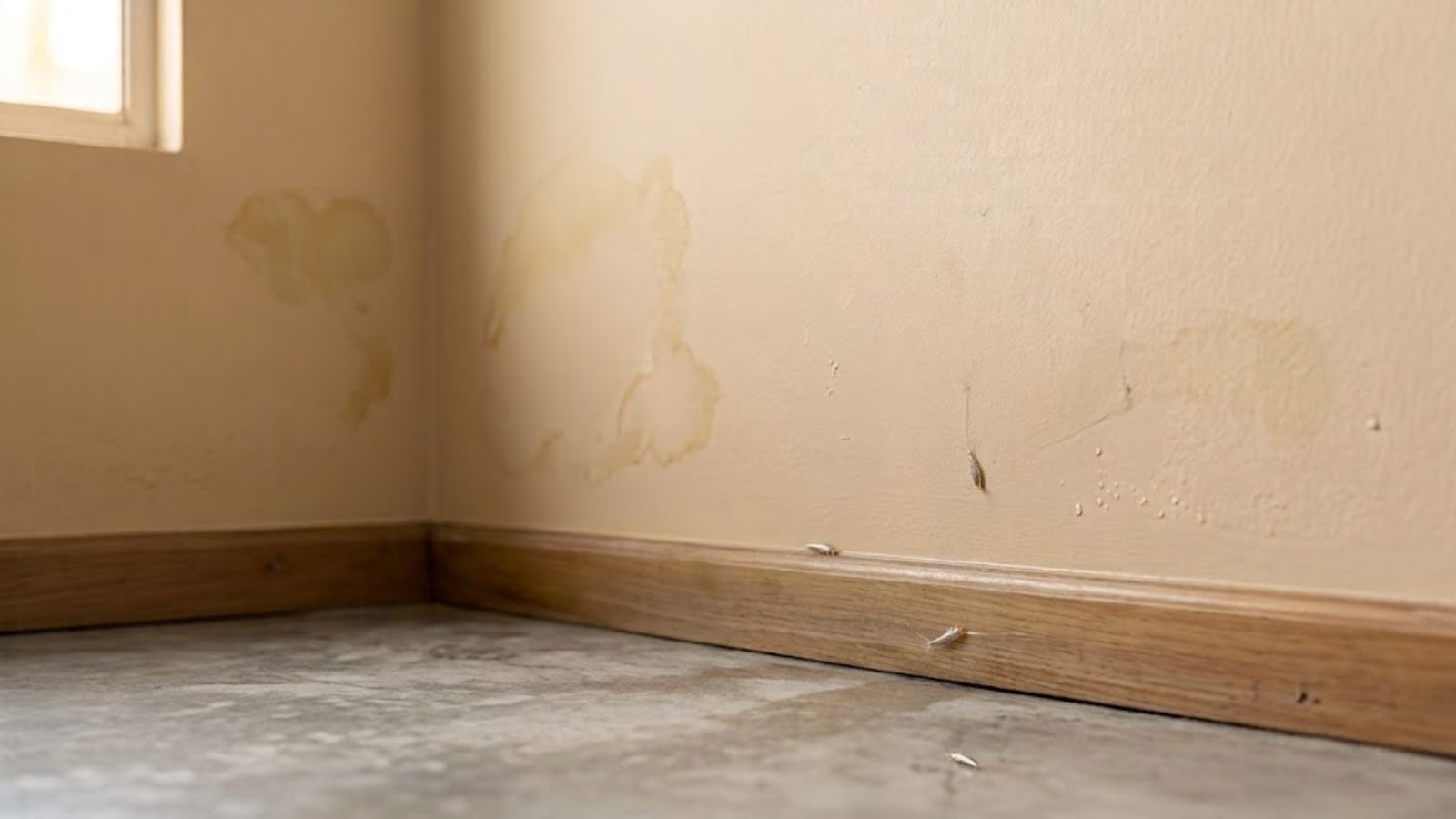
A damp problem in the home often creeps in unnoticed, but over time it leaves clear signs in the structure of your home. The first visual signs are usually loose wallpaper, peeling paint, crumbling plaster or stubborn damp patches on the walls that seem to get bigger after a rain shower. In addition, a constant musty smell inside the house, condensation on the windows and the sudden appearance of black mould patches in the corners of the room or on the ceiling – clear signs that the humidity in the home is far too high. At a later stage, salt efflorescence may develop. This is a white, powdery layer of salt on the bricks that forms when groundwater seeps into the walls and evaporates. Also, an unexplained high energy bill may indicate a damp problem, as damp walls drastically reduce your home’s insulation performance. As a result, you’ll need to use more heating to keep your home warm. Are you unsure whether you have a structural damp problem? Our experts would be happy to visit you to a free expertise, so that you can be immediately certain of the condition of your property.
It is a persistent misconception that a damp problem in the home can resolve itself over time. Although damp patches or fungi Although they may appear to dry out or subside during a hot, dry spell in summer, the underlying cause – such as a faulty foundation, a porous façade or the high groundwater level in your region – remains as active as ever. As soon as autumn returns, rainfall increases or the pressure in the groundwater rises again, the damp will inevitably return, often with a vengeance. Ignoring the early warning signs will only exacerbate the eventual damage to your home and make the repair costs unnecessarily higher. Over time, damp corrodes building materials, which can lead to damaged wooden support beams and rusting steel reinforcement in the concrete. This can even jeopardise the structural stability of your home. Furthermore, damp – and specifically the spores from black moulds a serious risk to the residents’ health, particularly for the respiratory tract. Prompt intervention with AquaConsult’s free expert advice prevents a small damp patch from turning into a major and costly renovation.
Successfully and permanently resolving a damp problem depends entirely on an accurate diagnosis of the damp, as each type of damp requires a completely different treatment method.
The total cost of permanently resolving a damp problem varies and depends entirely on the extent of the damage, the type of damp problem and the treatment method required. For injecting walls at rising damp On average, prices range from €100 to €150 per metre. Whereas a complete basement or installing a mechanical ventilation system has a different pricing structure. As every property and every damp problem is unique, a standard rate simply does not reflect the cost of achieving a lasting solution. At AquaConsult, we believe in transparency, so you’ll never be faced with any surprises. That’s why we offer a completely free, no-obligation assessment Our experts will visit you, analyse the exact cause using professional measuring equipment and draw up a clear plan of action. Based on this, you will receive a detailed, bespoke quote, including advice on any Flemish allowances which you are entitled to in order to keep costs down.