How to prevent moisture problems in your home?

Autumn is just around the corner. The days are getting shorter, it is getting cooler and more humid outside, the chauffeurs are jumping on again and the windows are staying closed more often. Unfortunately, this provides the ideal basis for dampness, and in a later stage even moisture problems. Fortunately, with the right tips, you can moisture excess moisture in your home right now.

AquaConsult expert in remedying moisture problems for more than 20 years. Discover our practical tips for preventing moisture in your home here.

Summary: Moisture problems often arise from poor ventilation, cold bridges, damp basements or everyday activities. A few structural measures, ventilation and constant heating can prevent many problems. Stubborn cases require a professional solution from AquaConsult.

What are the best tips to prevent moisture in the home?

1. Start with the basics: undertake some structural measures

Many damp problems arise from the structure of the house. If you leave them untreated, they often grow into the persistent problems.

Fortunately, with some targeted structural interventions, you can prevent this from happening.

  1. Make sure your basement is completely waterproof. Did you know that as many as 1 in 6 homes in Flanders suffers from moisture problems (source: the Flemish Housing Fund), and that a damp cellar is the biggest culprit? This is because the basement is one of the most sensitive spaces to rising ground moisture. A damp basement not only affects your belongings and the stability of your home, but also increases the risk of other moisture problems and even health issues. A professional basement is therefore a smart investment.
  2. Insulate your home to avoid cold bridges. Also thermal bridges are common causes of moisture problems in the home. Cold bridges occur where insulation is missing or poorly fitted. As a result, heat is lost, which later leads to condensation and mould. Proper insulation of the roof, walls and windows prevents this and helps avoid excess moisture in the house.
  3. Use damp-proof paint in rooms where you use a lot of moisture. In kitchens, bathrooms and other humid areas, the damp-proof paint make a big difference. Thanks to its water-repellent ingredients, the paint forms a barrier against moisture, preventing it from penetrating the walls and preventing mould and damp problems.

2. Venting and airing

Ventilation is often the way to make a excessive humidity in the home. Without air exchange, moisture lingers and can accumulate.

We recommend betting on the following:

  • Open your windows every day, even in winter. Ten minutes of purging is often enough to replace humid indoor air with fresh outdoor air.
  • Choose extra support with mechanical ventilation. A ventilation system type D regulates both supply and exhaust air completely mechanically via valves. It thus ensures a perfect balance in the air quality of your home and also works efficiently regardless of the weather conditions outside. It is an ideal means of
  • Use a dehumidifier when needed. In some situations, such as a very damp room or during seasonal changes, a dehumidifier can be a simple and effective way to maintain humidity levels.

3. Keep the indoor temperature constant

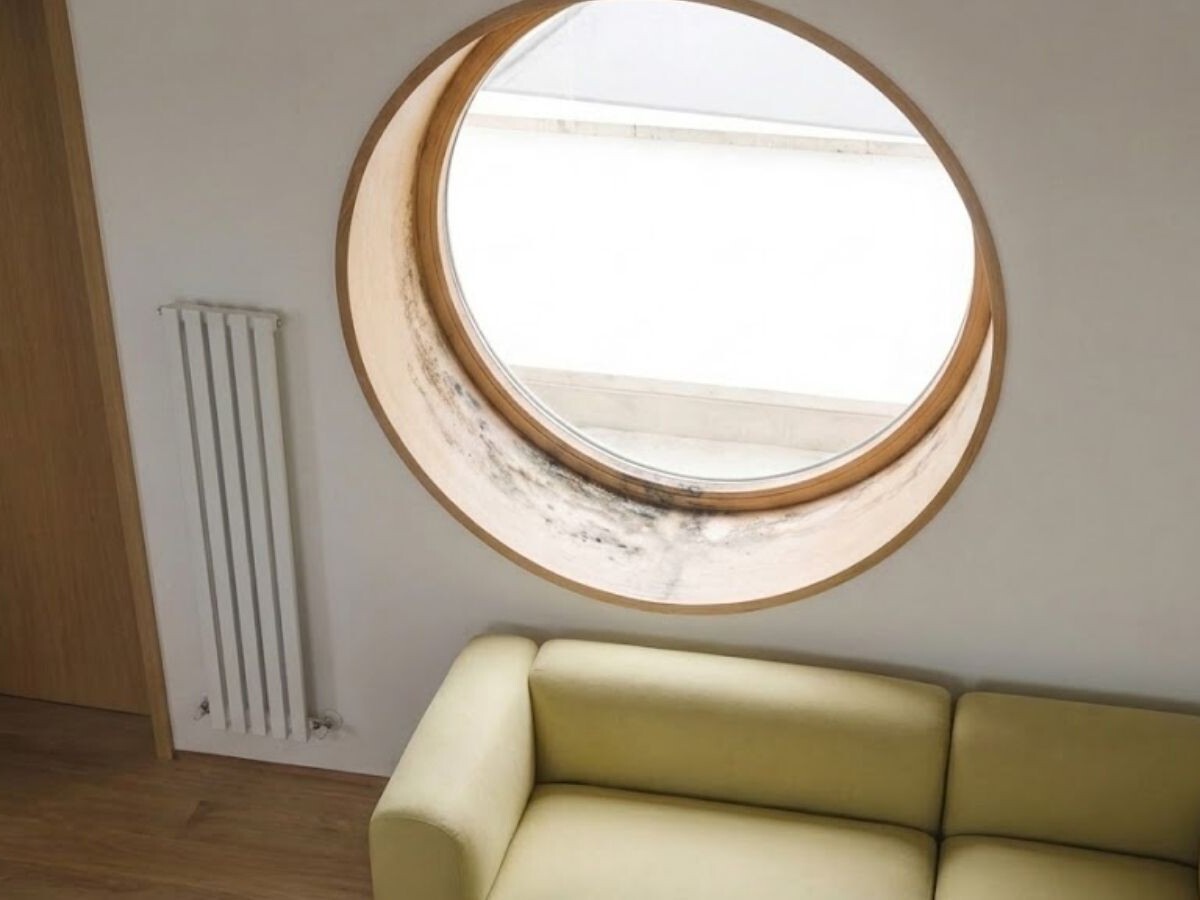
Large temperature fluctuations in the home often cause condensation. This is because when warm, humid air comes into contact with cold surfaces, water vapour forms and settles on walls, windows or ceilings. This is often the start of mould and damp problems.

It is therefore important to keep the indoor temperature as constant as possible. That way, you avoid cold areas where moisture can accumulate. It does not have to be a high temperature. Even 16 to 17 degrees can be enough to prevent condensation.

4. Minimise moisture production in the home

Much of the moisture in your home is simply created by daily activities. With a few simple adjustments, you can prevent too much:

  • Always use the cooker hood when cooking. Cooking produces litres of water vapour every day. A properly functioning fume hood that drains to the outside helps reduce this effectively.
  • Dry laundry outside as much as possible. Drying indoors greatly increases humidity. If outdoor drying is not possible, choose a well-ventilated room or use a drying cabinet with a drain.
  • Ventilate the bathroom after use. The bathroom is often the most humid room in the house and has large temperature fluctuations due to hot shower water, for example. Therefore, do not shower too long or too hot, and open a window after showering to remove moisture quickly.
  • Take into account the number of people in a room. It may sound crazy, but the more people congregate, the more moisture is released through breathing and perspiration. So when visiting, always make sure the room is well ventilated.

What if it goes too far?

Sometimes ventilation, insulation or minor interventions are not enough. Or there was already a basis for moisture problems so excess moisture in the house cannot be avoided. Serious moisture problems require professional help. Consider:

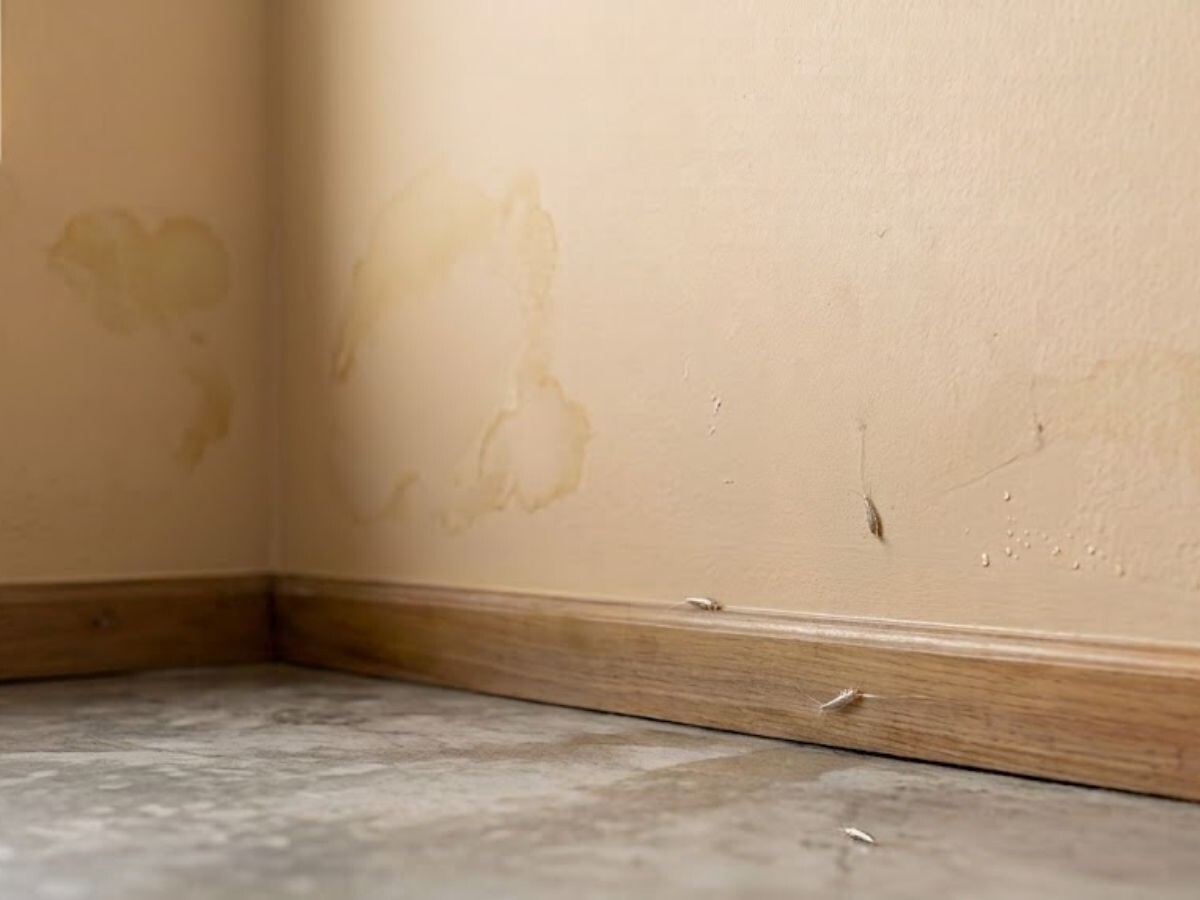
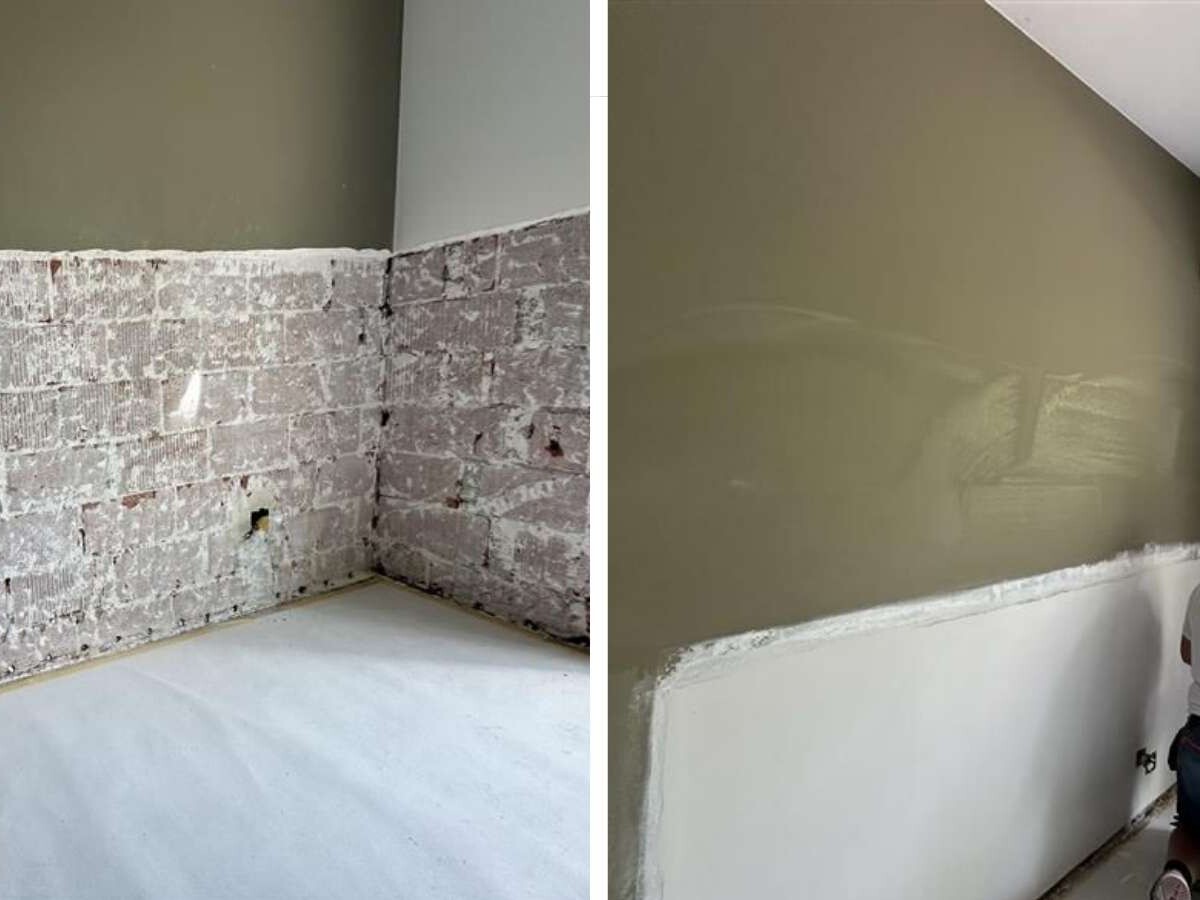
  • Rising damp in walls. You can often recognise this by moisture spots, fungi or peeling paint and wallpaper. An effective solution is to carry out wall injections or, in stubborn cases, undercoating.
  • Penetrating moisture in basements or leaking moisture through facades. This type of moisture penetrates your home from the outside. It can seriously affect your basement and facade. With waterproof coatings or professional basement waterproofing, you can keep this problem under control.

Whereas residents often only see the symptoms, such as mouldy patches or a musty smell, a professional looks for the real source of the problem. By correctly identifying that cause, the right solution can be suggested. A professional approach will therefore save you not only time and frustration, but also high costs in the long term.

Get assistance from AquaConsult

Moisture in your home can lead to unhealthy situations and damage your property. With the right knowledge, good habits and professional help if needed, you can keep the moisture in check, even in summer temperatures.

Are you suffering from moisture problems? Ask now a free moisture expertise to AquaConsult.
Free expertise

More information and brochure request

Answer the questions below and get more information and our brochure based on them. Would you like the cost price calculated? Then indicate this clearly in the text field below and we will do the necessary.

Privacy Preference Center

EN