Safely removing black mould and resolving the problem permanently
You’re moving a cupboard around the house or suddenly notice dark patches appearing in the corners of the bedroom. You immediately wonder what it is, how it got there and what you should do about it. Black mould Having it in the home not only has a negative impact on your family’s health, but also on the structural condition of your home. Whilst traditional advice on tackling black mould in the home often stops at cleaning the stains with a cleaning product, as a homeowner you need to be aware that it is a deeper-rooted moisture problem … because simply scrubbing away the black mould stains on the surface is merely treating the symptoms. Black mould in the home is not a hygiene problem, but a damp problem. If you only kill the mould on the surface but leave the source of damp causing the problem untouched, the mould spores will return within a few weeks. That is why, at AquaConsult tackle the damp problem thoroughly and once and for all. No one-size-fits-all solutions, but a concrete moisture solution with an action plan for safe and healthy indoor air, material protection and the permanent resolution of the underlying damp problem.


Step 1: Visual damp diagnosis. Am I really dealing with black mould?
Before we take any action, it is crucial to know which type of damp problem you are dealing with in your home. Not every dark patch is automatically black mould, although any form of mould not welcome in the house.
So how do you recognise this particular type of black mould?
- Colour and pattern: it always starts as tiny, jet-black spots on the wall, behind your furniture, on the ceiling or in the corners of the room. If the damp problem persists, they quickly merge to form dark, continuous patches of mould.
- Texture: depending on how wet the wall Depending on the situation, the mould may look slimy and wet, or, conversely, powdery and dry if the damp problem temporarily subsides.
- Odour: black mould often gives itself away through a distinctive, particularly pungent musty and earthy smell in the home or in certain living areas. It has a strong smell of a damp cellar or damp woodland soil.
- Favourite spots: they spread most easily on porous materials, such as wallpaper, plaster or wood, in rooms with high humidity, such as bathrooms, kitchens, cellars or behind furniture.
Recommended reading: Everything you need to know about black mould
Would you like to find out more about its biological properties, the specific health risks it poses, and why this particular black mould is so notorious? Then read our comprehensive blog about what black mould actually is.
Have you been able to confirm for yourself that it is indeed black mould? Or do you need help from our experts with our free damp assessment? In any case, you need to realise that black mould isn’t a hygiene issue, but a structural warning sign for your home.
Step 2: Safety and containment. Contain the situation first, then take action
The greatest risk when removing black mould yourself is cross-contamination. When you start sanding or brushing the black mould patches on your walls whilst they are dry, millions of invisible mould spores are released, which spread through the rest of the home via the air. Residents can therefore easily inhale these particles, which have a negative impact on your health.
The Safety and Containment Protocol
- Isolate the room: close all internal doors leading to other rooms in your home to prevent the black mould from spreading further throughout your house. Always open a window in the room to allow direct ventilation to the outside.
- Wear personal protective equipment: always use a well-fitting FFP2 or FFP3 face mask, safety goggles and rubber gloves if you want to remove the black mould from your walls yourself.
- Never treat them whilst dry: never simply brush or scrub the black mould stains off whilst they are dry.
- Use only damp cloths: apply a suitable chlorine- or biocide-based mould remover or a diluted soda solution, then gently wipe away the mould patches with a damp cloth.
When should you stop trying to remove black mould yourself straight away?
Is the mould patch larger than 0.5 m²? Has the mould penetrated deep into the porous plaster or gypsum of your walls? Or do your housemates suffer from respiratory conditions, such as asthma or allergies? If so, leave the remediation and damp analysis to a professional expert from AquaConsult. Enquire now your free expertise to.
Step 3: Household contents and equipment protocol. Keep or bin?
If the black mould Once mould has taken hold in a particular area of your home, your personal belongings are rarely spared. Because mould spores penetrate deep into porous materials, cleaning is by no means always sufficient to protect your belongings and other items in the affected area. Use these guidelines to determine which items you can safely salvage by cleaning them and which items – whether materials or household effects – are better off being replaced.
Tip for your insurance file: Take clear photographs of your damaged household contents, materials and damp walls before you throw the items away or actually start clearing out the room. This is essential should you need to make a claim on your fire or home insurance.
Step 4: The location. Identify all hidden sources of damp
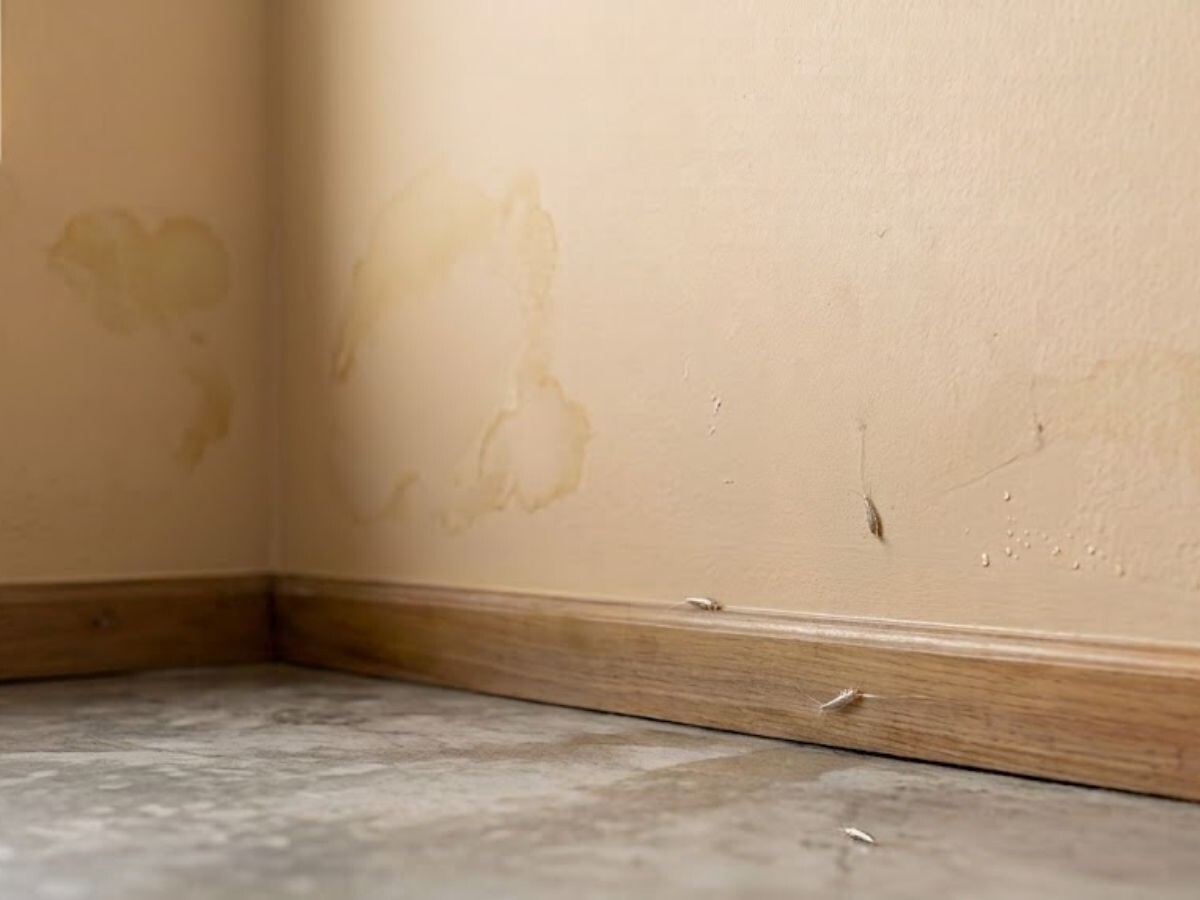
Black mould only grows when relative humidity if the temperature in or around a building material remains consistently above 65 to 70% for a prolonged period. To resolve the mould problem permanently, we need to identify the exact source of the damp. The location where the mould patches appear provides the most important clue to the hidden damp problem.
- At the bottom of an internal or external wall on the ground floor: the cause is often rising damp due to a missing, worn or bypassed water barrier, causing groundwater to seep into the masonry of the walls.
- In the middle or high up on the external walls, which gets worse after it has rained: penetrating moisture This is often the culprit. Porous facing bricks, cracked mortar joints or damaged cladding allow rainwater to seep easily through to your internal walls.
- In the corners, around the windows or behind bulky cupboards: here you’re dealing with condensation moisture and thermal bridges. The high humidity in the house condenses on cold and often poorly insulated walls.
- Localised mould patches around pipes or on ceilings: a hidden pipe leak in these areas is causing the black mould in your home. A small crack in a supply, drainage or central heating pipe, or a leak in the underfloor heating, creates a damp living environment.
- Around the shower cubicle, bath edges and tiling: you’ll need to look for faults in your bathroom fittings, such as worn sealant edges or porous grouting between the tiles, which allow water to seep behind the tiling.
- Top floor, the loft or around the chimney: there’s definitely a leak in the roof. Leaking roof tiles, damaged lead flashing, blocked gutters or cracks in downpipes encourage the growth of black mould.
- Whether in a new-build or following a thorough renovation: building moisture This causes this dangerous mould to develop in the home. It is residual moisture left behind in freshly poured concrete, screed or plasterwork because it has not been given enough time to dry.
- In the cellar or on cellar walls: you’ll be dealing with a damp cellar. The hydrostatic pressure of the groundwater is too high for the cellar walls, which are not sufficiently arched or sealed, allowing water to seep in easily.
- Under the carpet or on the skirting boards: this is where the black mould ends up as a result of damage that was not properly dried out previously. It is residual damp from a previous flood or damp problem in the house that was not, in particular, completely dried out.
Rule out DIY test kits for moisture diagnosis
Black mould test kits merely indicate that mould spores are present in your home – something you can actually already see with the naked eye – but they do not identify the source of damp that is causing the mould. A professional damp survey AquaConsult carries out measurements right down into the material, thereby identifying the exact cause of the mould problem.
Step 5: Call in the experts at AquaConsult
You now know how to recognise black mould, how to safely tackle it yourself, and what the possible causes are. The most important step is to have our experts carry out a professional damp survey. With accurate measurements, we eliminate any guesswork about the cause and provide certainty with a definitive and professional moisture solution. Request your free expertise to.
Step 6: Structural damp-proofing. Eliminating the cause once and for all
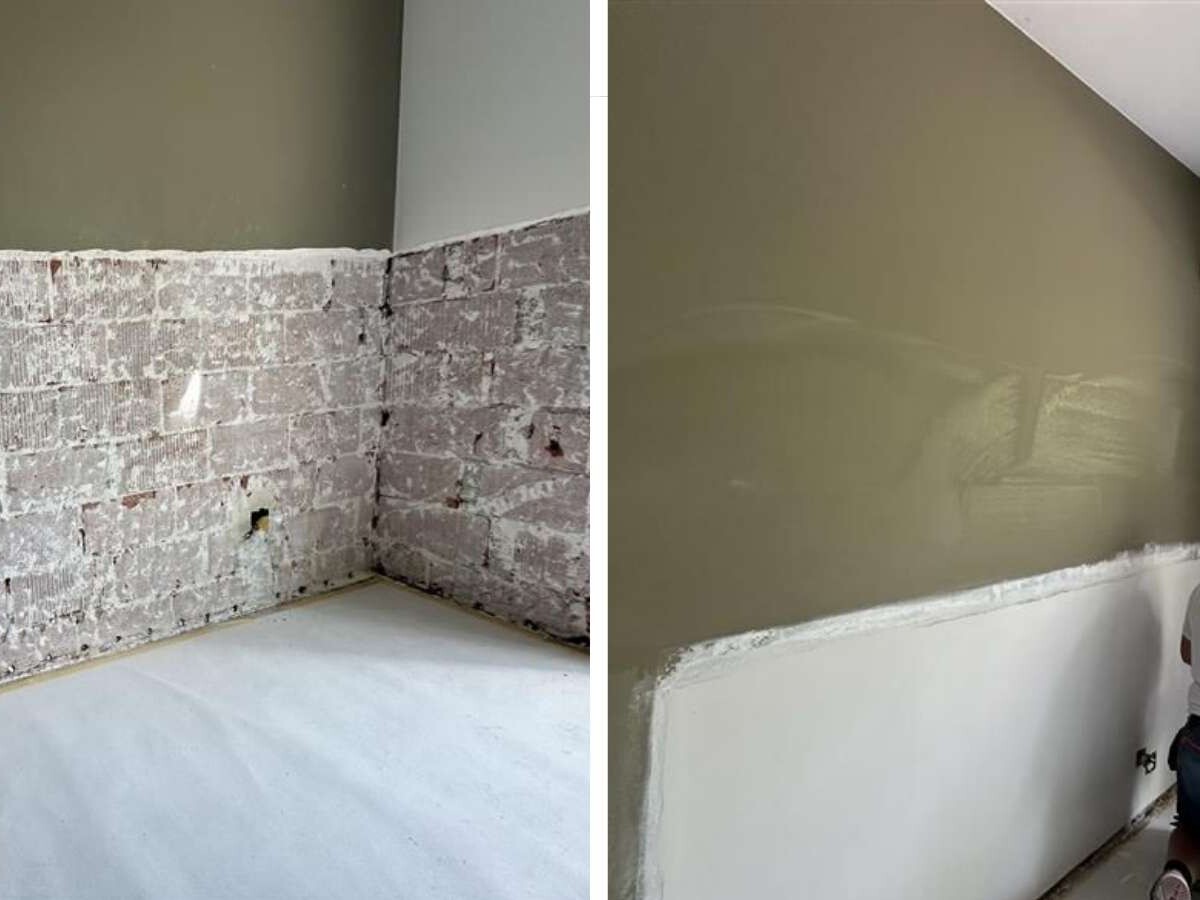
To prevent the black mould from returning after you have cleaned it, the moisture balance within your home’s structure must be permanently restored. Depending on the exact moisture diagnosis, AquaConsult will carry out professional and permanent moisture solutions too.
Put an end to black mould in your home once and for all
Don’t let black mould affect your health and your comfort at home any longer. With a professional damp survey our experts trace the exact moisture problem and we offer a definitive moisture solution including waterproof warranties. Ready for the final step towards a healthy indoor environment free from black mould? Request your free expertise to AquaConsult.

More information and brochure request
Answer the questions below and get more information and our brochure based on them. Would you like the cost price calculated? Then indicate this clearly in the text field below and we will do the necessary.