
Damp in your home? Find out about damp problems and professional solutions for each room

Damp in the home is more than just an aesthetic problem. It damages the structure of your home, increases your energy bill and poses a risk to your health. Whether you’re dealing with mould in the bathroom, peeling wallpaper in the living room or a musty smell in the bedroom: every damp problem requires a specific approach and, above all, professional moisture control.

Request your free expert advice now

In which room in your home do you have a damp problem?
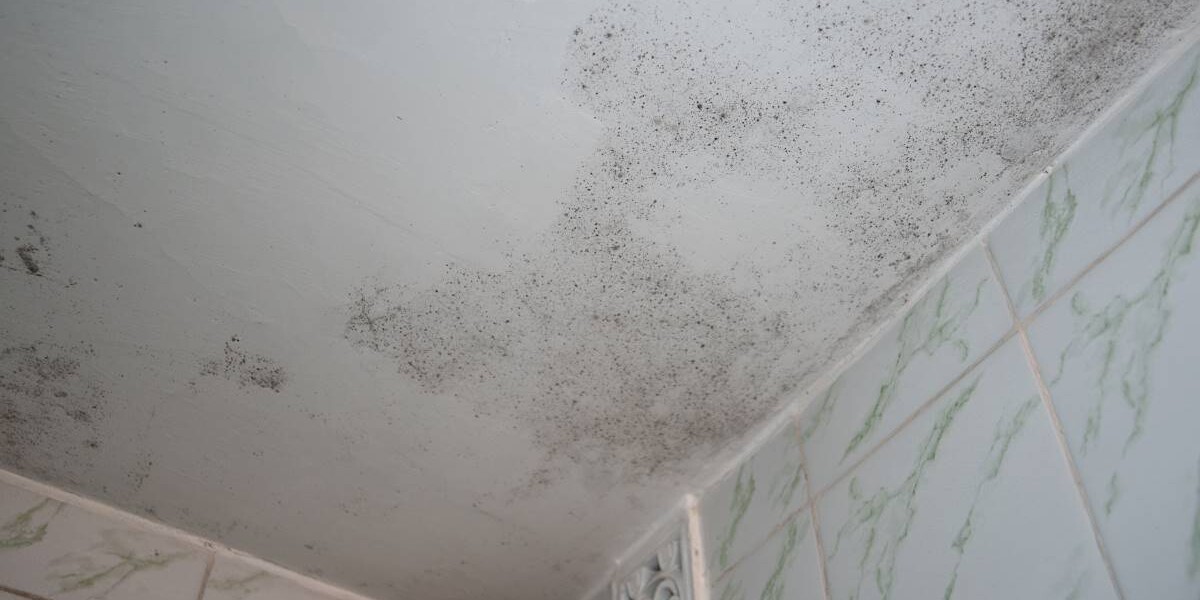
Damp in the bathroom manifests itself as steamy air that lingers in the room for hours, resulting in misted-up mirrors, damp walls and black mould on the grouting. This means that excess water vapour can no longer escape and settles on the surfaces in the bathroom, which will eventually damage the tiles and the ceiling.

Read more

Damp in the bedroom can manifest as water droplets on the inside of the window, bed linen that feels clammy, a musty smell in the room and dark mould patches behind your wardrobes. It is damp that lingers in your bedroom at night, creating a clammy and unhealthy sleeping environment.

Read more

Damp in the living room results in cold walls, circular stains at the bottom of the walls, curling wallpaper, loose skirting boards and saltpetre. It means that damp can seep into your living space, cause the walls to deteriorate and make the room feel cold.

Read more

Damp on the ground floor manifests itself in broad, large damp patches spreading across the walls, crumbling plaster and a persistently chilly temperature in the house. This means that the entire ground floor retains moisture, causing the walls to lose their insulating properties and making it almost impossible to heat the house properly.

Read more

Damp in the crawl space manifests itself as a puddle of water on the floor, damp cellar walls, a pungent musty smell and ice-cold floors on the ground floor. It is an invisible reservoir of damp beneath your feet that constantly radiates cold and damp into the living spaces above.

Read more

Are you unsure where the damp in your particular living space is coming from?

Don’t panic. To the naked eye, the source of a moisture problem difficult to assess. That is why our experts will visit you free of charge to carry out a professional damp survey.

Book an appointment for a free, bespoke assessment

How can you tell if there’s damp in your home?

Damp in the home does not manifest itself in the same way in every room. Sometimes you can spot it straight away from obvious damp patches, but often the damage builds up unnoticed over months behind the walls, floors or cupboards.

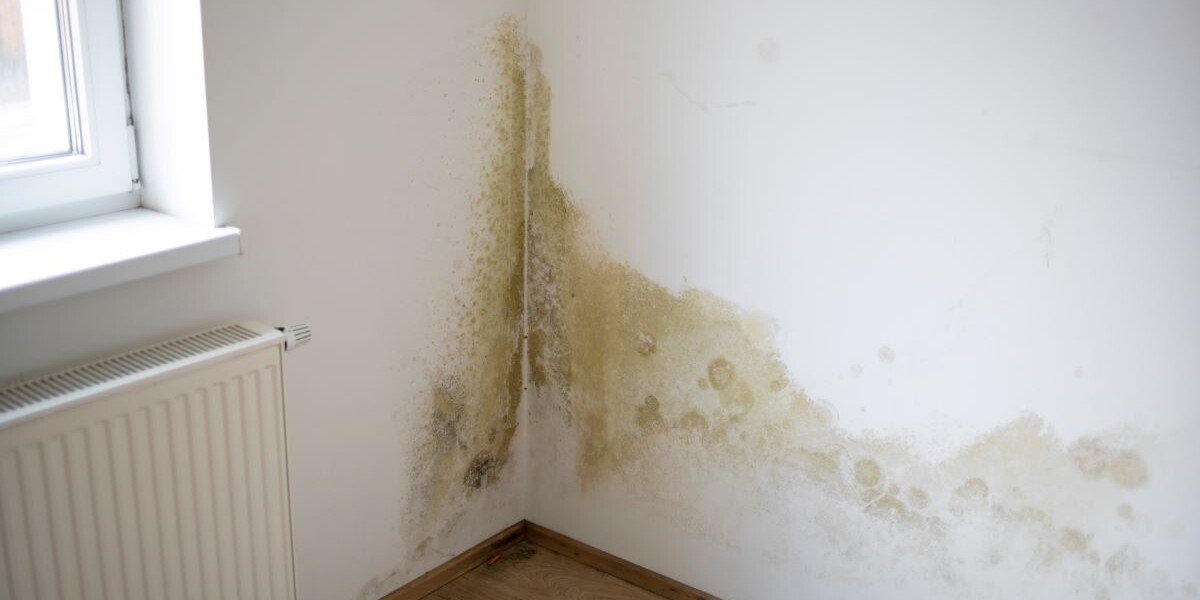
  • Black mould: mould stains on the edges of sealant, tile joints, ceilings, in the corners of the room or on the walls behind the cupboards and the bed.
  • Damp patches on walls and ceilings: dark discolouration on the wall or wet patches on the ceiling.
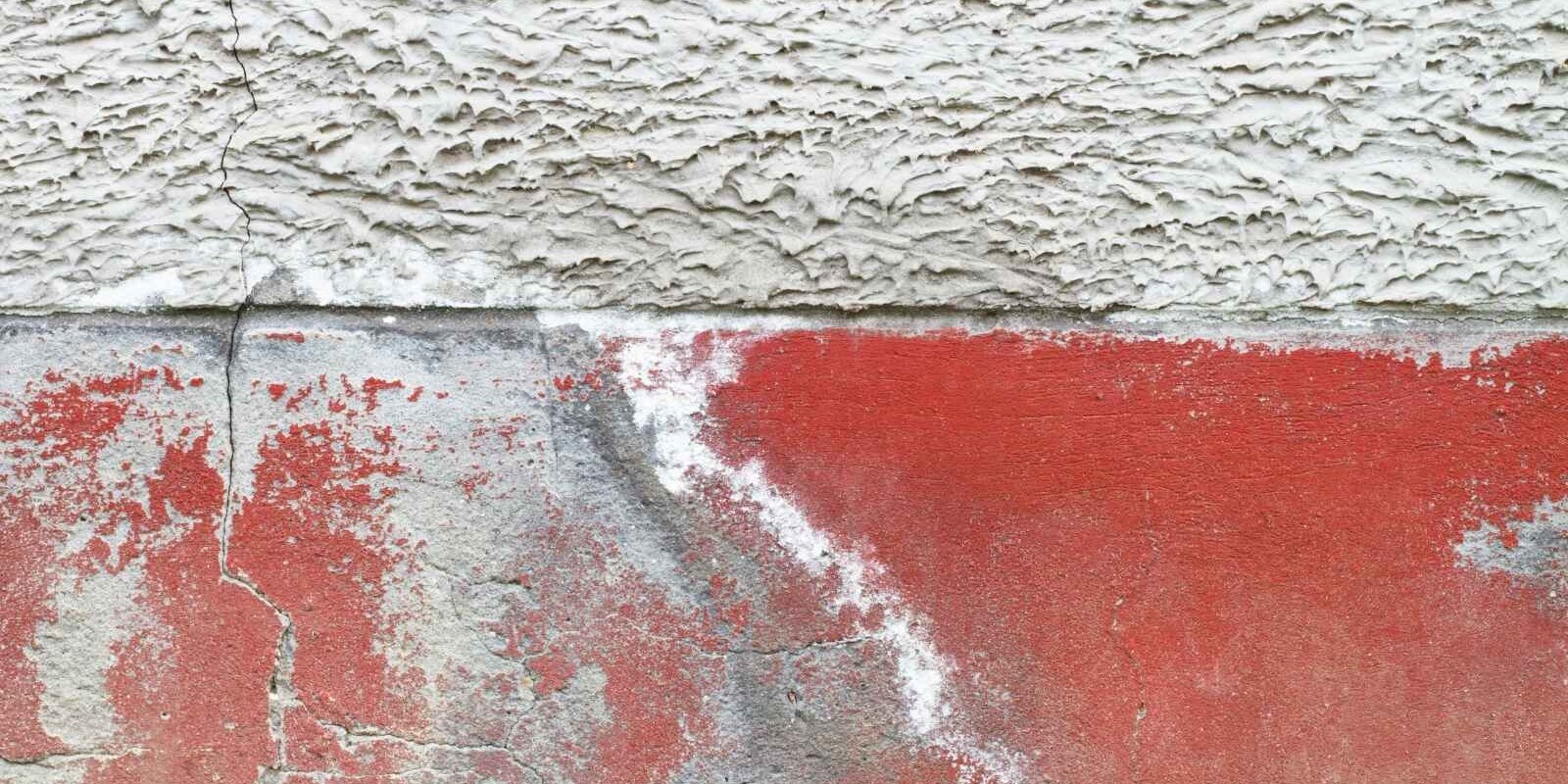
  • Saltpetre rash: a white, powdery or crystalline deposit that seeps out of the bricks or plasterboard into the room.
  • Damaged finishes: peeling paint, crumbling stucco, soft or powdery plaster, and curling or coming away wallpaper.
  • Damaged woodwork and skirting boards: skirting boards that are coming away, warped or rotten, and door frames, window frames or mould on the wooden support beams.
  • Warped floors: parquet, laminate or wooden floors that bulge, show gaps or feel springy when you walk on them.
  • Stubborn condensation: water droplets or a constant film of moisture on the windows and window frames that still haven’t dried out even after hours.
  • Musty smell: a heavy, pungent or earthy, musty odour indoors that lingers in the home or rises up through the crawl space.
  • A damp indoor environment: a constantly chilly atmosphere in the home, walls that always feel cold, and clothes, bed linen or towels that remain damp for hours after use.
  • Unexplained high energy bill: unexpected but rising energy consumption due to the damp walls lose their insulating properties and allow much more heat to escape to the outside.
  • Pests in the home: a noticeable increase in silverfish, woodlice or mosquitoes in your home.
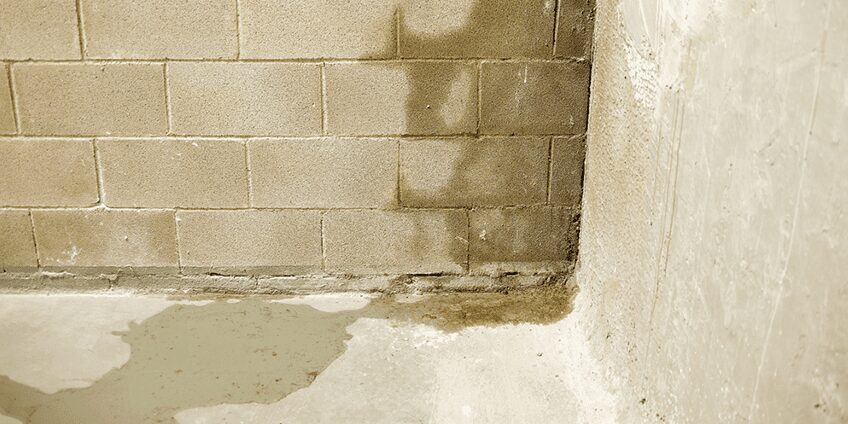
  • Stagnant water or seepage: puddles of water on the cellar floor or in the crawl space, or cellar walls that are wet because water is seeping down them.
  • Health complaints: unexplained airway obstruction, a tickly cough, chronic cough, allergic reactions or headaches upon waking.

Do you recognise any of these signs in your home?

Based on these symptoms or signs, you will often realise that something is wrong in this particular room, but the actual cause usually lies deeper within the structure of your home.

Have our experts assess the exact cause free of charge

The main causes of damp in the home

Every symptom also has a specific cause, a specific moisture problem as the culprit. Depending on the year of construction, the insulation and the condition of your home, there are various damp problems that can arise in practice.

  1. Rising damp: groundwater that is drawn up through the brickwork in your walls like a sponge due to a missing, outdated or damaged water barrier.
  2. Condensation moisture: moisture produced by showering, cooking, drying the washing and simply breathing, which, due to a lack of proper ventilation condenses on the cold surfaces in the room, such as windows and external walls.
  3. Penetrating moisture: rainwater that seeps in through a porous, damaged or ageing façade, causing damp patches on the interior walls.
  4. Damp walls: walls that constantly retain moisture due to rising damp, penetrating damp, seepage or leaks.
  5. Damp basement: groundwater seeping in through the foundations, floor or walls due to a high water table or a damaged water barrier.
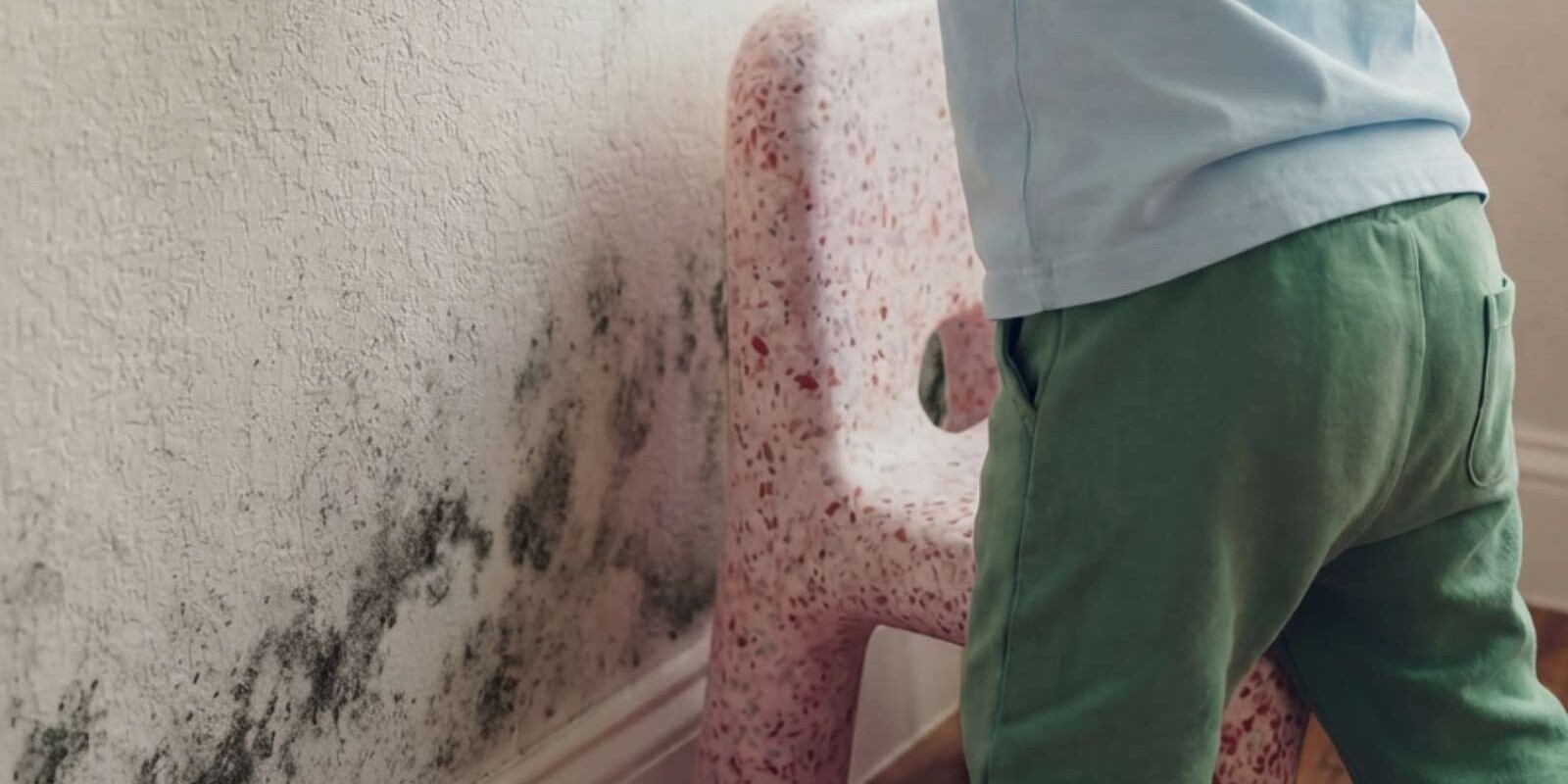
  6. Mould on the wall: a direct and dangerous consequence of prolonged condensation or damp walls. Mould thrives in damp environments and, in turn, releases harmful spores into the indoor air.
  7. Moisture in new-build homes: also known as construction moisture. During the construction of a house, thousands of litres of water are used for concrete, screed and plasterwork. If this moisture is not given time to dry out or becomes trapped by insulation, it causes mould and damp patches in a new house.

Why choose AquaConsult’s approach?

Dealing with damp requires a bespoke, professional approach. At AquaConsult, we don’t just tackle the symptoms of damp problems in specific rooms; we ensure that a permanent solution to damp for your specific situation.

  • In-depth damp analysis: our experts will visit you free of charge throughout Flanders. Using professional measuring equipment, they carry out a comprehensive moisture diagnosis in order to determine exactly which moisture problem what you’re dealing with and what the exact cause is.
  • Tailor-made plan: you’ll receive a clear, technically sound action plan and a no-obligation, transparent, tailor-made quote. That way, you’ll know exactly where you stand straight away, with no surprises later on.
  • Permanently damp-free living spaces in your home: our trained specialists carry out damp-proofing work professionally, taking all necessary precautions to protect your interior. Once the work is complete, they’ll leave the site tidy, offer advice on the drying process, carry out a follow-up inspection if required, and guide you step by step through the process of applying for the available premiums.
  • Certified quality with a guarantee: we don’t just promise a permanent result – we prove it. To our quality guarantees To ensure this, we work exclusively with approved techniques and high-quality products that meet the official ATG certificate. Furthermore, our products are subject to strict supervision by the BCCA.

Request your free damp assessment

Time for a healthy, dry home without damp areas

Moisture problems They won’t go away on their own. Whether it’s the bathroom, the crawl space or your living room: AquaConsult has the expertise, the right techniques and experienced specialists to remove damp from your home for good. Don’t wait until the damage and repair costs get any worse. Take the first step towards a dry, healthy and energy-efficient home today. Fill in the contact form and we’ll get back to you as soon as possible contact stand up for you a free expertise by our experts.

Get in touch

More information and brochure request

Answer the questions below and get more information based on them.

Privacy Preference Center

EN