The difference between basement waterproofing and basement drainage
Basements are made dry with basement seals or basement drains. Depending on the situation, one of these two renovation techniques are appropriate.
In this article, we explain exactly what the differences are between basement drainage and basement waterproofing.
Basement sealing or basement drainage?
In Flanders, many homes suffer from a damp cellar, especially in autumn, winter and spring. This is when many people notice that their basement suddenly develops moisture problems. This can have several causes, ranging from rising damp to a lack of ventilation. Generally speaking, there are two different techniques for getting your basement completely dry again: by basement waterproofing on the one hand, and by basement drainage on the other. Depending on the situation, one of these two renovation techniques is suitable.
Method 1: a basement waterproofing
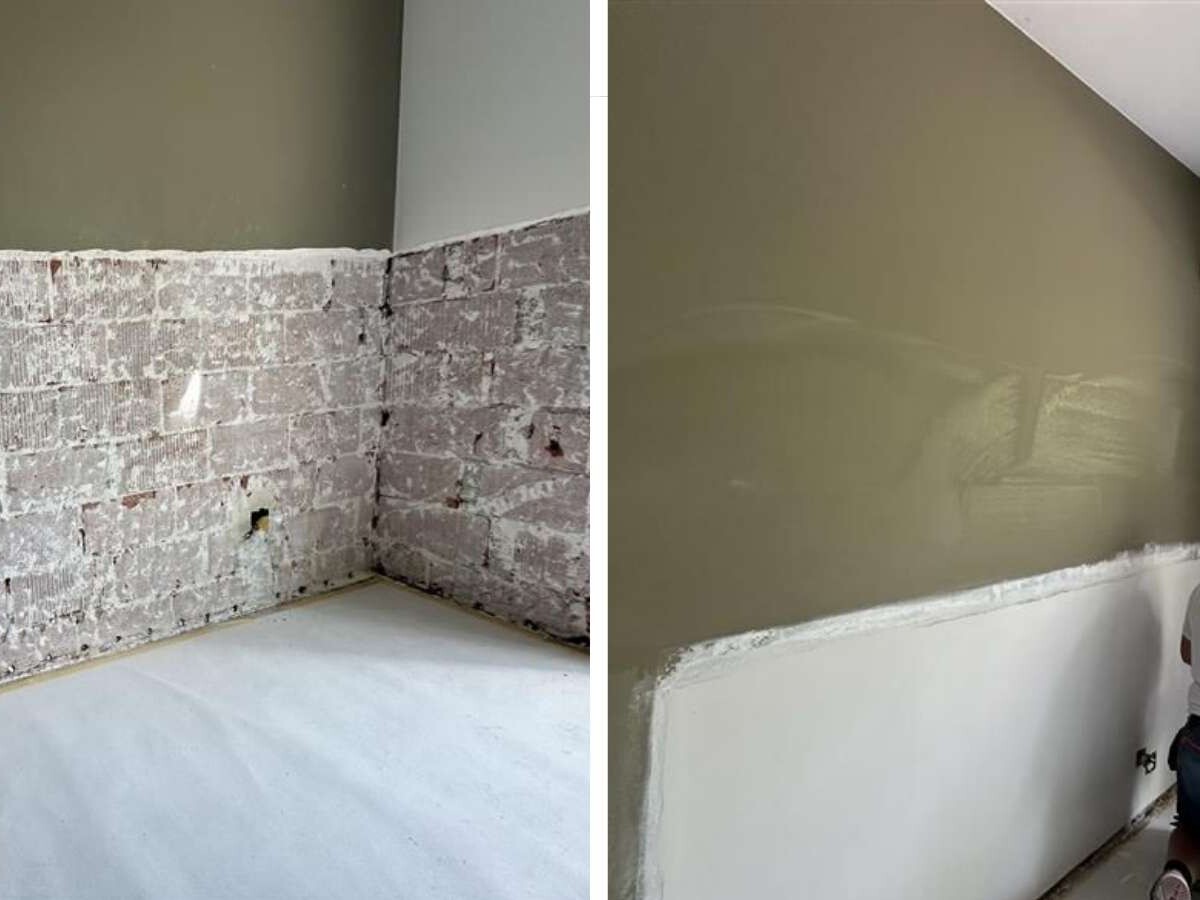
At a basement waterproofing, also known as basement waterproofing, a type of waterproof plaster is applied to the walls and floor in several layers. These layers then harden and together form a damp-proof layer. When choosing basement waterproofing, we keep always take groundwater pressure into account. If that pressure is too high, basement waterproofing is not the best moisture control method.
Thanks to cellar waterproofing, you get a waterproof tub in the basement or crawl space that stops all ground moisture. For old, poorly maintained basements, flexible basement waterproofing is usually chosen. This involves attaching a waterproof foil to the walls and floor, after which the walls and floor are re-occupied.

Method 2: a basement drain
At a basement drainage the basement is waterproofed by draining the incoming moisture through a drainage system. A basement drainage system is usually used in basements with high groundwater pressure. Where this pressure is very high, basement waterproofing cannot provide sufficient guarantees and a drainage system must be used. The advantage of basement drainage is that the cost price is slightly lower than that of basement sealing.
Basement drainage involves a drainage system combined with a silent pump.
Because of the higher humidity level in a drained basement, basement drainage is usually combined with basement ventilation. Installing ventilation in the basement is relatively easy and pays huge dividends in terms of air quality. With a ventilated space, you also avoid future mould problems. This is because moulds thrive only in rooms where the humidity is high enough.

Do I choose basement waterproofing or basement drainage?
If you suffer from a damp basement, there are many parameters that can inform a choice of basement waterproofing or basement drainage. This is not a simple analysis and varies depending on the size of the basement, the exact pressure of the groundwater, the current moisture content of the walls and the construction of the house.
There is no doubt that if you have a damp basement, any of the above solutions are a good choice. A damp house, even if it is in the basement, quickly loses its value and may also suffer from rising soil moisture later on.
AquaConsult offers free moisture analyses to where an experienced moisture specialist performs a moisture diagnosis with specific equipment. This involves analysing the basement from head to toe for any possible (hidden) moisture problem. If this interests you, request more information below. A damp diagnosis is always carried out by a recognised professional and is always non-binding.
Getting your damp basement treated
Are you suffering from moisture in your basement? Then contact Aquaconsult. Our specialists will visit anywhere in Flanders for a free moisture expertise.
More information and brochure request
Answer the questions below and get more information and our brochure based on them. Would you like the cost price calculated? Then indicate this clearly in the text field below and we will do the necessary.