Why does your energy bill rise with a damp house?
We quickly link a high energy bill to the expensive winter months, an outdated boiler or poor insulation. But did you know that there is an invisible energy eater lurking in your home that makes your bill skyrocket all year round? We're talking about moisture problems in the house. Whether it is cold outside or just a balmy summer day, a damp home forces your technical appliances to work much harder than they actually need to. The result is an energy bill that remains inexplicably high. And all this while comfort in your home is far from being a reality. At AquaConsult we are happy to explain why a moisture problem is a drain on your budget, how to recognise the signs in time and how to force your energy bills back down.


What is a moisture problem and how do you recognise it?
Moisture problems often sneak into your home unnoticed, but the damage to your home and your wallet is enormous. To tackle the problem, you first need to know which variant it is. Each type of damp has its own specific cause and characteristics. They also each need to be solved structurally in their own way.
1. Damp walls
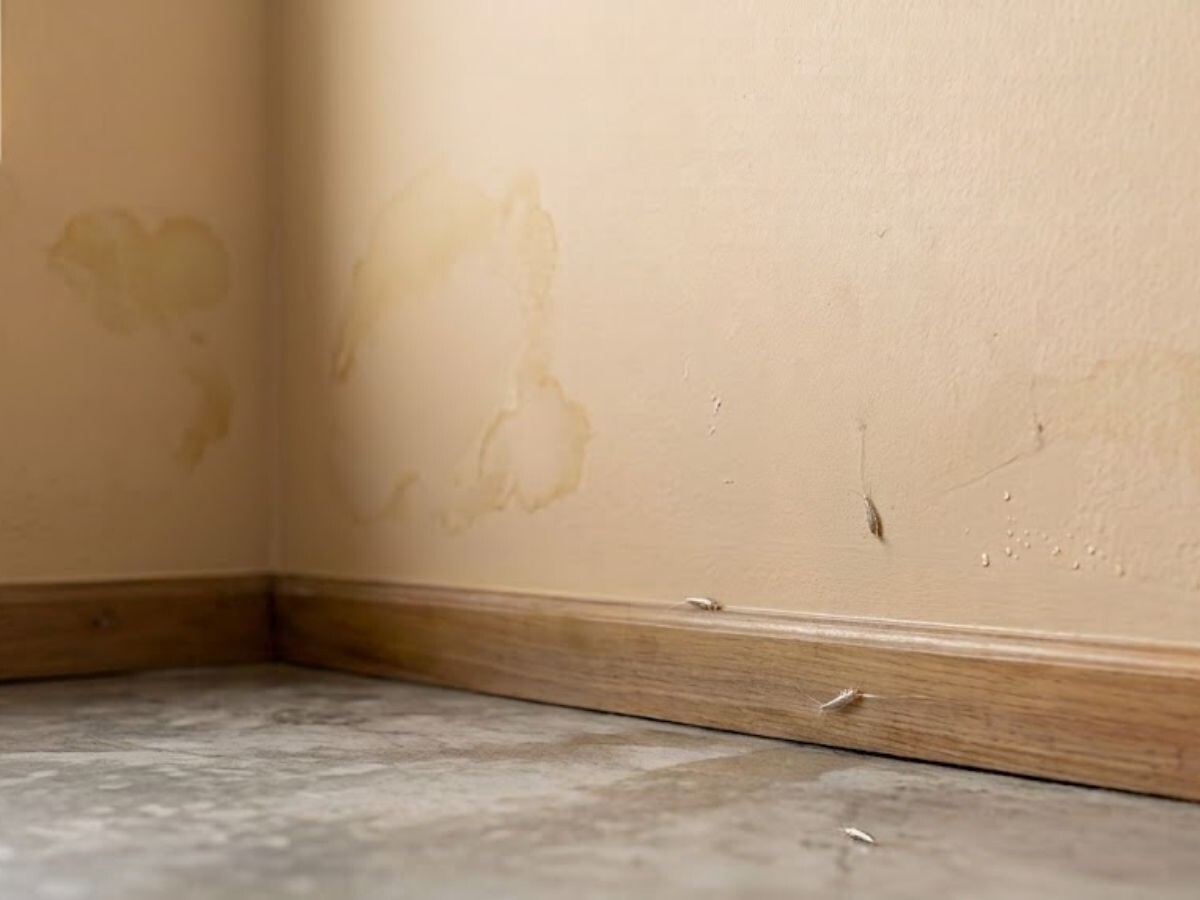
‘Damp walls’ is a general term for interior or exterior walls that are saturated with water and therefore moisture due to an external or internal problem.
- How do you recognise it? The walls feel clammy or even cold. You can often recognise them by peeling paint, peeling wallpaper, circles on the plaster or a musty smell in the room.
2. Damp basement
Because a basement is underground, the walls and floor are constantly under great pressure from the surrounding groundwater. Therefore, moisture may find its way into the basement.
- How do you recognise it? You recognise a damp cellar to puddles of water on the floor, crumbling cement occupancy, salt efflorescence on the walls and stored items becoming mouldy or smelling musty. Moisture also often migrates into the living spaces above.
3. Rising damp
Rising damp occurs when groundwater slowly soaks up walls like a sponge due to the absence, wear or failure of a water barrier.
- How do you recognise it? You see it mostly on the ground floor, low to the ground up to 1.20 metres high. Think loose skirting boards, damaged plaster and a white, powdery salt rash on the bricks.
4. Penetrating moisture
Penetrating moisture occurs when rainwater penetrates from outside to inside through a porous façade, cracks in the external wall or damaged pointing.
- How do you recognise it? This type of moisture is not connected to the ground and can therefore occur on any floor. You can recognise it by moisture spots that appear in random places on your interior walls. Especially often after it has rained heavily.
5. Condensation moisture
Condensation moisture is the precipitation of warm, moist air from e.g. cooking, showering or breathing that lands on cold surfaces. This happens when this air, due to a lack of ventilation cannot escape.
- How do you recognise it? It is the biggest culprit in bedrooms, kitchens and bathrooms. You can recognise it by continuously fogged-up windows and puddles of water on window sills.
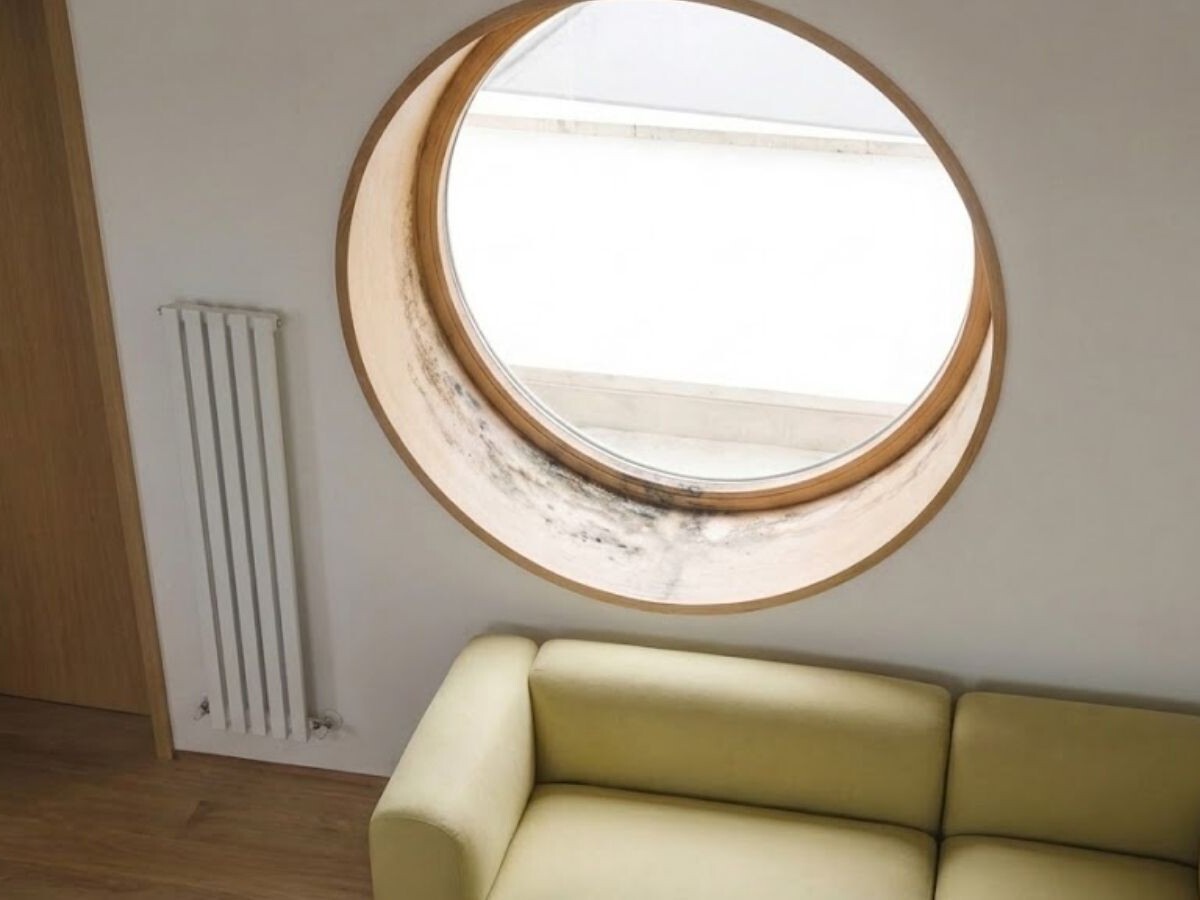
6. Mould on the walls
Mould on the walls is the direct and especially unhealthy result of a long-term and untreated moisture problem, where the combination of moisture, heat and stagnant air is the perfect breeding ground.
- How do you recognise it? You can recognise it by the typical unhealthy black, green or grey spots in the corners of the room, behind cupboards or on the ceiling.
7. Moisture in new-build homes
Moisture in new-build homes, also called construction moisture, are the thousands of litres of water used during the construction process that have not yet had a chance to fully evaporate or dry out.
- How do you recognise it? Through windows that constantly store heavy vapour, a clammy feeling in a brand new house and plaster that just won't turn completely white.
Why a damp house is an absolute energy guzzler
Why exactly are energy bills skyrocketing at moisture problems in the home? The link between moisture and energy consumption is physical. Moisture not only changes the properties of the air, but it also affects the materials and installations in your home.
1. Heating or cooling water costs a lot of money
When dealing with condensation moisture or building moisture then there is a large amount of ‘invisible’ water in the air. We know from physics that water has a much higher heat capacity than dry air. Noticeably more energy is needed to air-condition water particles than to get dry air to the right temperature.
- In autumn and winter: Your central heating system or heat pump has to work harder to get the humid air warm. You are heating up litres of water in the air and that requires a lot of energy.
- In spring and summer: When you try to cool with air conditioning, the system has to dehumidify the heavy and clammy air before the temperature can come down. This causes your air conditioner to run at full power for an unnecessarily long time.
2. Your insulation material loses its effectiveness
Insulation materials work best when the house is dry, because it holds still and dry air. Dry air conducts heat poorly, keeping the indoor temperature stable. Once rising damp, penetrating moisture or a damp cellar saturates the walls, the moisture also soaks into the insulation.
Since water conducts heat and cold just right, your insulation layer turns into a cold bridge. In cold periods, heat flies out and on hot summer days, heat comes in faster. You immediately lose the return on your precious investment in insulation, which means your heating or air conditioning has to run constantly to compensate for the loss.
3. Continuous heat loss through ventilation
When we suffer from a clammy air, musty smell or mould on the walls is the automatic reaction to open windows and doors wide to ventilate. Although ventilation is crucial, this manual ventilation without a smart ventilation system for a huge energy loss. With this, you constantly let the warmed or cooled indoor air escape. Afterwards, your boiler or heat pump has to start all over again to air condition the air coming in.
4. Loss of efficiency and wear and tear on your installations
Because a humid home constantly requires extra energy, your boiler, heat pump or air conditioner has to run on high power much more often and for longer. This has major drawbacks for your wallet.
- Higher consumption: Installations operate outside their most efficient comfort zone, causing unnecessarily high gas or electricity consumption.
- Faster wear: Constant overloading causes the components of your plant to wear out faster. This leads to premature maintenance costs or a shorter life of your expensive equipment.
5. Using electric energy guzzlers as emergency solutions
A lot of households struggle with damp walls or a damp cellar and then reach for temporary aids out of helplessness. Just think of installing electric supplementary heating in chilly rooms or running loose, electric dehumidifiers continuously. Such devices take a lot of power. They solve the cause of the moisture problem neither, but do cause your electricity bill to skyrocket.
6. Damage to the thermal capacity of the structure
Not only the air, but also the structure of your home absorbs moisture for problems such as rising and penetrating moisture. A dry, solid wall has the ability to store heat and slowly release it back into the room. A wet structure loses this function completely. The walls no longer store heat, but instead conduct the cold or heat from outside directly inside.
The cold-wall effect: The culprit for your thermostat
Damp walls and a damp cellar not only affect the figures on your energy meter, but also disrupt your daily living comfort. When walls contain moisture, they remain cold to the touch. This causes the so-called cold-wall effect. Even if your thermostat indicates a fine temperature of 21°C, the damp walls emit a chilly vapour. Your body registers this immediately, which means the room's wind chill temperature is often as much as 2 to 3 degrees lower than the actual temperature. The automatic and human response? Manually turning the heating up another degree warmer to dispel that chill. But did you know that every degree you turn up the heating increases your energy consumption by an average of 6%? So you start a vicious cycle where you keep paying for heat you never really retain.
What is the impact of humidity on your home?
To know when humidity becomes problematic for your energy bills and your health, we look at the humidity level in the home. In a healthy, comfortable home, the ideal humidity level is between 40% and 60%.
Is 70% or 80% humidity in the house too high?
Yes, 70% or 80% humidity in your home is unhealthy and has a direct impact on your wallet. From 70% humidity in your home, you enter the danger zone.
You notice it immediately when the percentage in your home is too high. The air feels clammy and heavy, your furniture and textiles attract moisture, and it also provides a breeding ground for mould on the walls and dust mites. Moreover, this is the tipping point at which your heating or air conditioning system starts using noticeably more energy to regulate the indoor climate. At 80%, the situation is acute. The moisture robs your wallet and the indoor climate is harmful to your respiratory system.
Can heating remove moisture from your home?
The short answer: no, unfortunately not. When you heat a room, the warm air retains even more moisture than cold air. When you turn up the thermostat, the moisture becomes temporarily ‘invisible’ because it merges into the warm air. But the moisture does not leave your home, it remains trapped. As soon as the heating goes off and the temperature in the house drops, the air cools down. The air can then no longer hold the moisture and it immediately precipitates again as condensation moisture on the coldest surfaces, namely your windows and walls. You temporarily displace the moisture problem for a few hours, but you won't solve it. To really remove moisture, you need to address the cause and remove the air effectively.
So what actions should you take to reduce your energy bills?
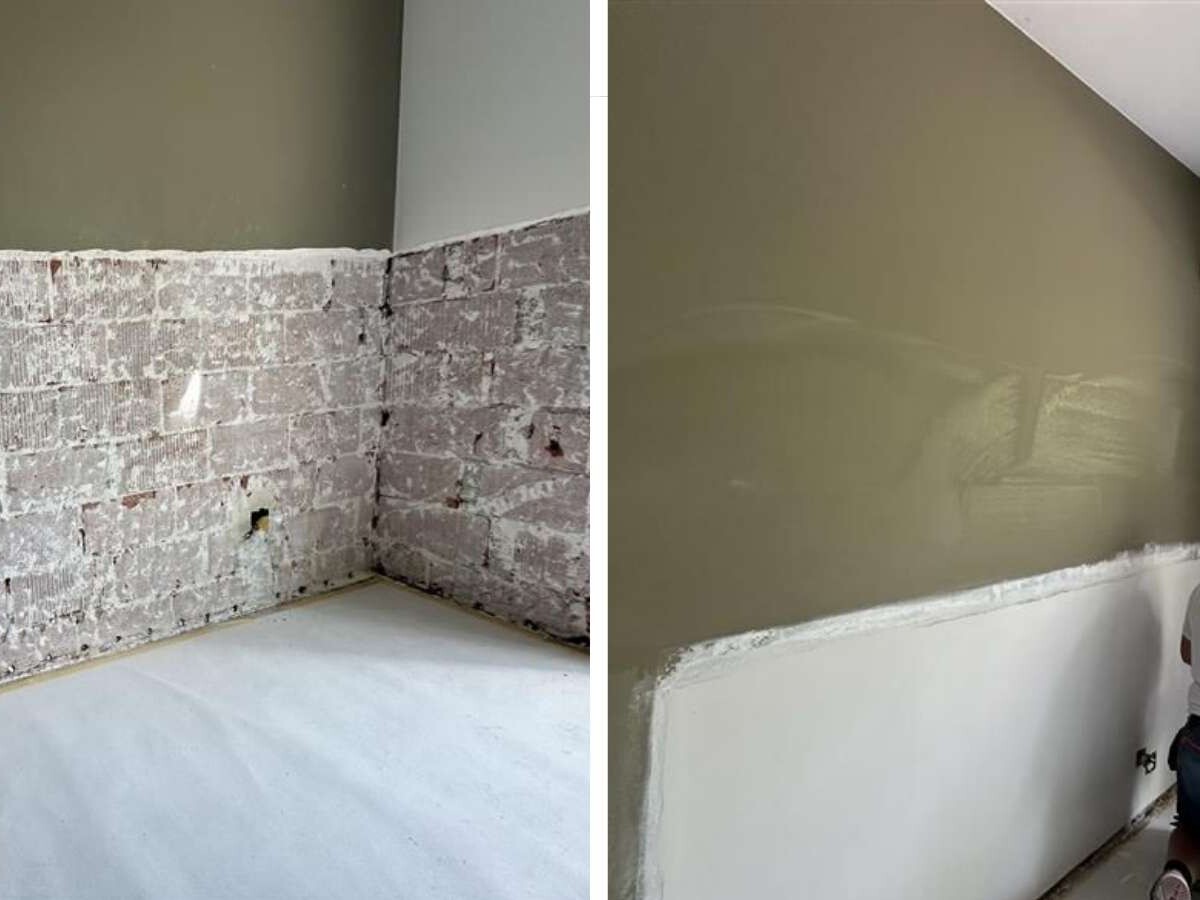
Continuing to heat or cool in a damp house is mopping the water up. To stop paying unnecessarily high energy bills once and for all, the specific moisture problem must be tackled at the source. Depending on the diagnosis of our experts, AquaConsult offers targeted and structural moisture solutions to.
The positive effect: What does a moisture-free home get you?
Investing in professional moisture control is not a pure expense. It is a smart investment that is guaranteed to pay for itself in the long run through lower energy bills. Once your home is optimally dry again, you will enjoy many benefits.
Stop paying for excess moisture
Manually compensating for a humidity problem with your thermostat or air conditioner costs you hundreds of euros too much every year. It is a waste of money and does not solve the underlying damage to your walls. By tackling the moisture problem structurally today, you will reduce your fixed energy costs and significantly increase your living comfort. Want to discover how much you can save by tackling the moisture in your home once and for all? Let our experts analyse the moisture in your home with a free expertise.
More information and brochure request
Answer the questions below and get more information and our brochure based on them. Would you like the cost price calculated? Then indicate this clearly in the text field below and we will do the necessary.