

What is saltpetre?
Saltpetre is always caused by a chemical reaction. Groundwater or rainwater naturally contains minerals, chemicals and salts. So, when your porous walls absorb this moisture, these natural salts are drawn up to the surface of your damp wall. As soon as the moisture evaporates and comes into contact with the oxygen in the air, the salt crystallises, leaving behind a white, powdery salt deposit. This is then referred to as potassium carbonate or saltpetre. We mainly see this problem occurring in porous brick walls, concrete or concrete blocks, and in rooms with a lack of ventilation.
Different types of saltpetre and where to find them
Saltpetre is sometimes also referred to as rock salt, wall salt or salt deposits. Although it always refers to an underlying moisture problem Depending on the cause, the way in which saltpetre forms and spreads may vary. You can usually recognise it by a fluffy haze or a white, powdery deposit on your damp walls.
As the chemical reaction occurs as soon as the moisture comes into contact with the air inside the house, it makes no difference to the formation of salt whether this happens inside your home or outside on the façade. We therefore distinguish between common types of salt and locations where saltpetre is found.
The different types of saltpetre
When we talk about different types of saltpetre, we are often referring to the same underlying damp problem, but under a different name. Saltpetre on walls is sometimes also referred to as rock salt, wall salt or salt deposits on the wall. There are a number of ways to recognise saltpetre visually.
- White powdery deposits: this is the most common form of salt efflorescence on your walls. This white haze is caused by a chemical reaction between substances in the damp, such as ammonia and nitrate-producing bacteria, and potassium carbonate, which is routinely used in the pointing and brickwork of your walls.
- Fuzzy film: at a later stage, the salt deposits can develop into a hairy, fuzzy film on damp walls.
Types of saltpetre by location: Indoors or outdoors?
The chemical reaction caused by saltpetre as soon as the moisture comes into contact with the air. It makes no difference whether this is indoor or outdoor air. That is why we distinguish between specific locations, each with its own characteristics.
- Saltpetre on interior walls: inside the house, a white powdery layer often forms on the plaster or wallpaper. However, saltpetre on interior walls is not always easy or quick to spot. Particularly when the walls are painted white, it can sometimes take quite a while before this white powdery layer catches your eye. It often only becomes apparent when the fluffy haze thickens or when your wall finish starts to peel away.
- Saltpetre on an external wall or façade: on the façade, the salt efflorescence appears as a white deposit or a clearly visible white haze over the bricks. Nitrate is much easier to spot on an external wall than indoors. Particularly on houses with red or black bricks, the contrast is stark and the white patches are impossible to miss. Do you have a white or light-coloured façade? In that case, the salt efflorescence will be less likely to catch the eye and the damp problem may remain hidden for longer, just as with internal walls.
What causes saltpetre to form on your wall?
Salt efflorescence on your wall always indicates a serious underlying damp problem. Mineral salts penetrate your walls as a result of a moisture problem, after which they crystallise on the surface. To prevent saltpetre from simply reappearing after cleaning, a thorough moisture analysis of the cause is necessary.
Why it’s best to tackle saltpetre on the wall straight away
Saltpetre Saltpetre on the wall is not a pleasant sight in your home. However, the aesthetic aspect is merely the tip of the iceberg. Saltpetre on the wall always indicates an underlying damp problem that will never resolve itself. Waiting will only make the situation more complicated and more expensive. You should therefore tackle the saltpetre on your wall as soon as possible.
- Salt attracts extra moisture: the salt present in your walls attracts even more moisture. As a result, the walls remain constantly damp, which perpetuates the damp problem and may even cause it to worsen.
- Structural damage to your home and deterioration of building materials: saltpetre on the walls can, over time, lead to serious structural damage to your home. The expansion of the salt crystals causes the building materials of your home to deteriorate.
- Damage to paintwork and finishes: as well as the building materials, the finishes in your home are also affected. Paintwork, plasterwork and wallpaper on your walls become damaged and may start to flake or peel off.
- How a musty smell develops: constant damp and salt build-up can cause a musty smell to develop in the home, which is difficult to get rid of.
- Mould growth and bacterial formation: damp walls together with saltpetre, they form the ideal breeding ground for fungi and bacteria. Saltpetre can encourage and promote active fungal growth.
- Unhealthy indoor air: the presence of damp, bacteria and mould spores in the home leads to unhealthy indoor air in your living spaces.
- Health problems and breathing difficulties: your health is not safe if there are persistent damp and salt problems in the home. The mould and bacteria that develop can trigger or exacerbate allergies, respiratory problems and other health issues.
- Attracting pests: a damp home with damaged walls, saltpetre and mould is more likely to attract pests, such as silverfish, woodlice and dust mites.
- The problem won’t sort itself out: simply brushing off the saltpetre won’t stop the source of the damp. It’s best to remove the saltpetre completely as soon as possible and tackle the problem before the consequences for your home and your health become irreversible.
Should you remove the saltpetre yourself or call in an expert?
In principle, you can remove the white deposits from the surface yourself. However, always make sure you wear protective gloves and a face mask. Then brush the salts off the wall whilst it is dry, using a stiff brush.
But please note: This is merely a stopgap measure. As long as the damp problem remains within the wall, the salt deposits will return. Experimenting with chemical remedies yourself without tackling the source of the damp is often a waste of effort, energy, time and money. For a the ultimate solution to damp An accurate diagnosis of fluid retention is crucial.
How AquaConsult tackles saltpetre and salt efflorescence once and for all
Cleaning salt efflorescence off the wall is only a temporary solution. As long as the underlying source of damp remains within your walls, the salt crystals will keep reappearing. To stop salt efflorescence once and for all, AquaConsult combines a targeted moisture control at source, with a thorough examination of the brickwork.
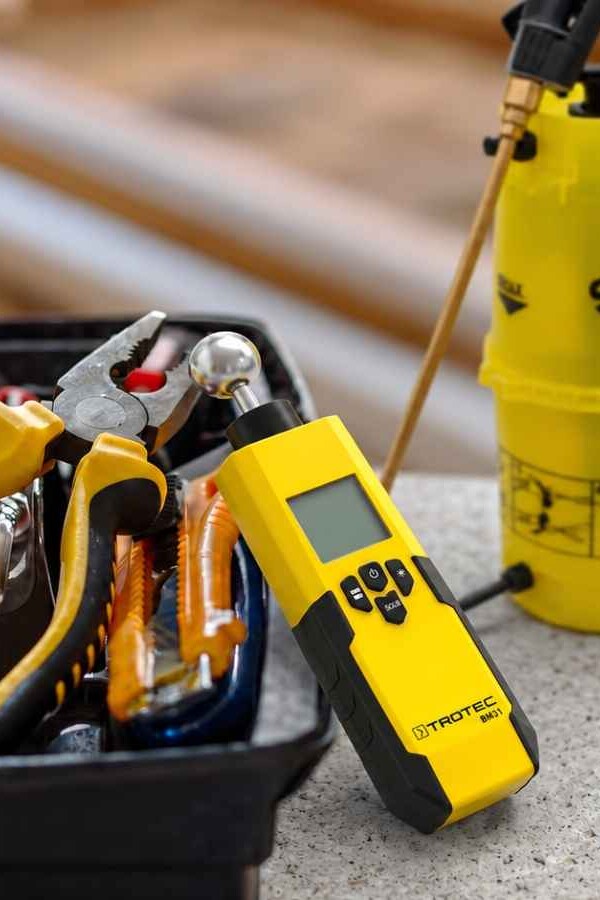
Treating saltpetre on walls: Put your trust in the damp specialist in Flanders
Saltpetre on the wall is much more than just an unsightly blemish on your damp walls. It is tangible proof that damp is running rampant in your walls and your home. It moisture problem It will never sort itself out, and simply waiting will only cause building materials to deteriorate further, plaster to come away and fungi affect the air quality inside your home. By taking prompt action and having the underlying cause professionally treated, you can put a stop to the salt efflorescence once and for all and protect both your home and your health in the long term. Are you unsure about the white deposits on your walls? Don’t put up with wall salts or damp patches in your home. The experts at AquaConsult will visit you free of charge to in-depth, professional expertise. That way, you’ll know exactly what’s going on and how the damp problem can be sorted out once and for all.
More information and brochure request
Answer the questions below and get more information based on them.


AquaConsult
Moisture problems
Moisture solutions
Frequently Asked Questions about damp-proofing grants (FAQ)
Yes. In Flanders, you can via the My Renovation Premium a significant portion of your invoice for the damp-proofing of rising damp, penetrating moisture or basement waterproofing to get it back.
The application from the My Renovation Premium is handled entirely online via the Flemish Government’s online environmental services portal. To do this, you will need your final invoice and a certificate from a registered contractor, such as AquaConsult. If you choose AquaConsult, we will provide you with all the necessary documents after the damp-proofing works have been completed, so that you can submit your grant application smoothly.
The exact contribution or the exact amount you receive towards the treatment of rising damp depends on your income and family circumstances. For those in the lowest and middle income brackets, this can amount to as much as 35% or even 50% of the invoice amount.


