Buying a house with damp problems? A checklist for prospective buyers
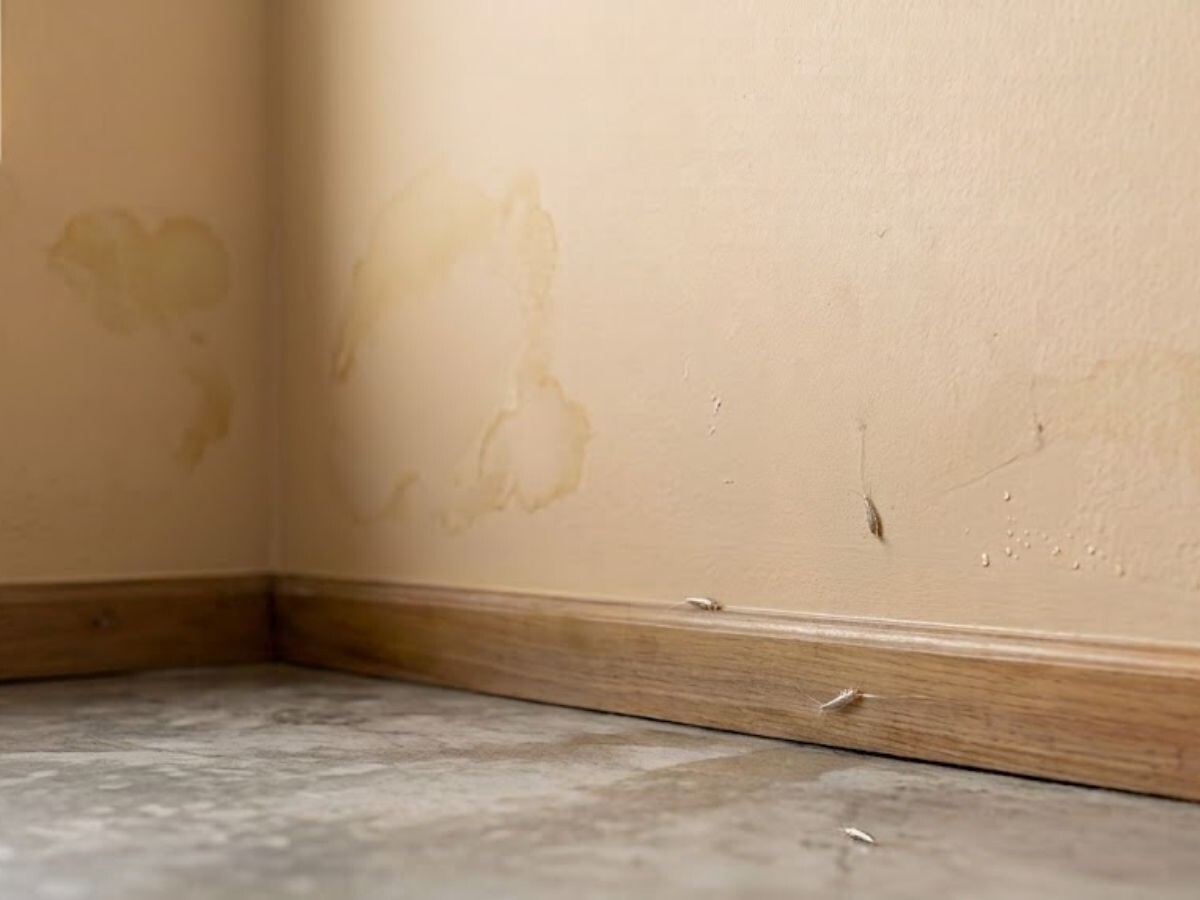
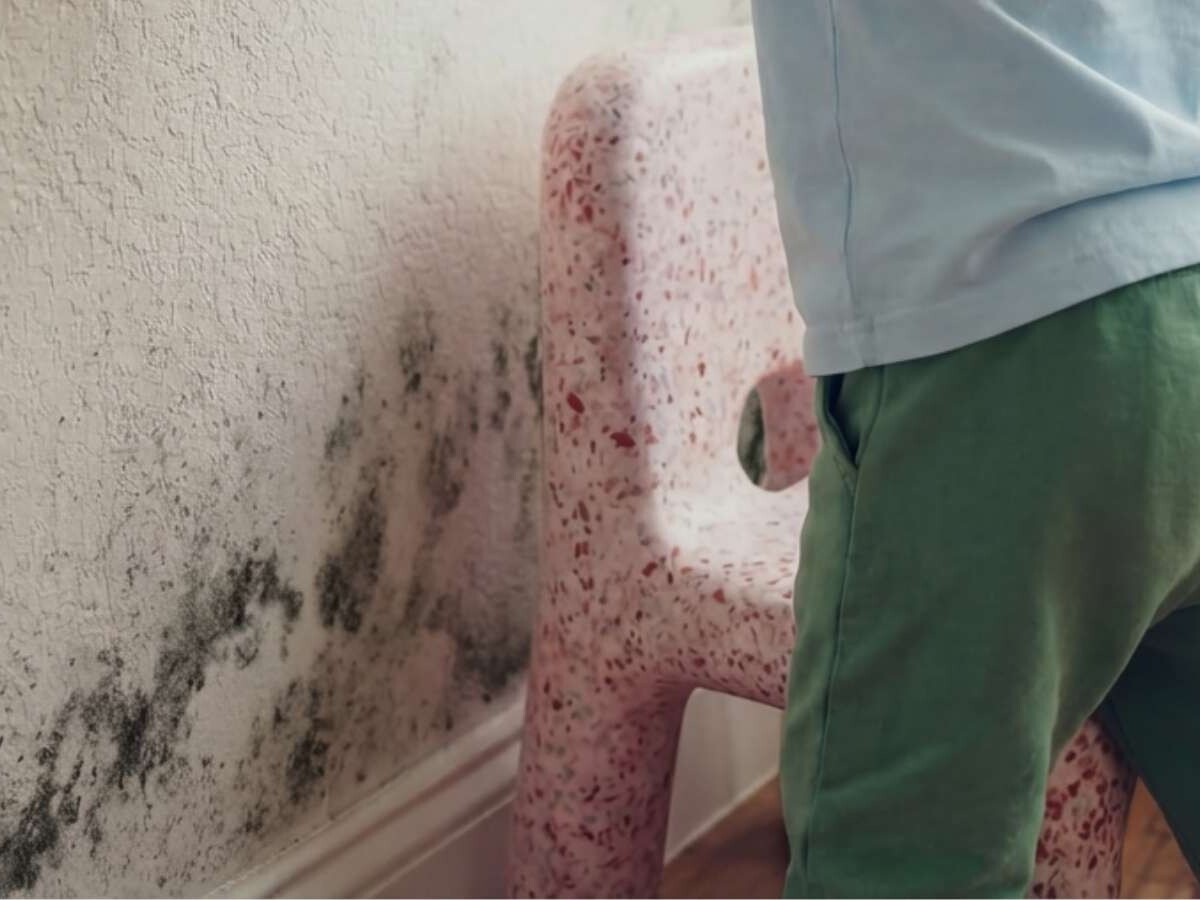
You've finally found your dream home. The location is perfect, the layout is as you dreamed, but then your eye catches a strange ring on the wall or you smell a musty odour in the basement. Should you then abandon the purchase of your dream home? Definitely not. Buying a house with moisture problems actually offers opportunities when negotiating prices, but of course it also involves a lot of renovation costs. We at AquaConsult Guide you through your new dream purchase, from viewing to premium application.
What should you look out for during the viewing? The first signals
Not every moisture problem is immediately visible behind a fresh coat of paint. Whether you have your eye on a charming renovation house in the city or a more recent new construction in the countryside, a sharp eye is always crucial.
While touring your dream home, pay attention to the following things:
Saving tip: Notice any of these things? Then be sure to take pictures of them if you plan to buy your dream home anyway. These are your key pieces of evidence to knock hundreds of euros off the asking price during the price negotiation. After all, a house with damp is worth less, while with the right expertise is often solved faster than you think.
The different types of moisture: what exactly are you buying?
To draw up a budget for your dream home, you do need to know which moisture enemy you are dealing with.
Renovation costs: AquaConsult's solution
Moisture control is tailor-made. To give you an idea of the budget to provide during your negotiations, we have our specialised moisture solutions including guide prices listed.
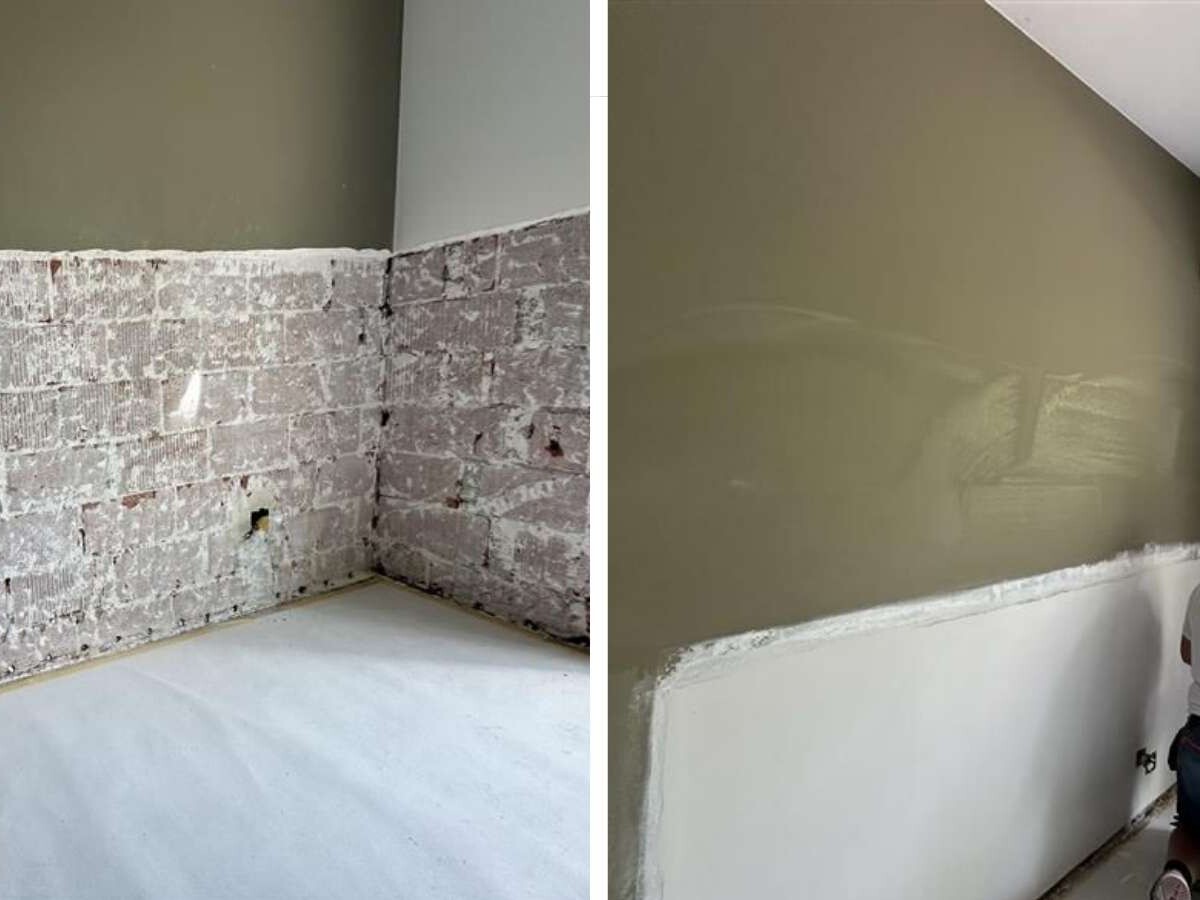
Injecting walls against rising damp
When no water barrier is present, groundwater migrates up the walls. The most effective solution is to professionally injecting the walls with a water-repellent gel.
- Target price: From €100 per running metre.
Basement sealing or basement waterproofing
Is the basement of the property you have your eye on damp? At basement waterproofing or caulking, we make the walls and floor completely waterproof with several layers of cementation. This turns the basement back into a usable storage or living space.
- Target price: From €50 per sq m.
Basement drainage
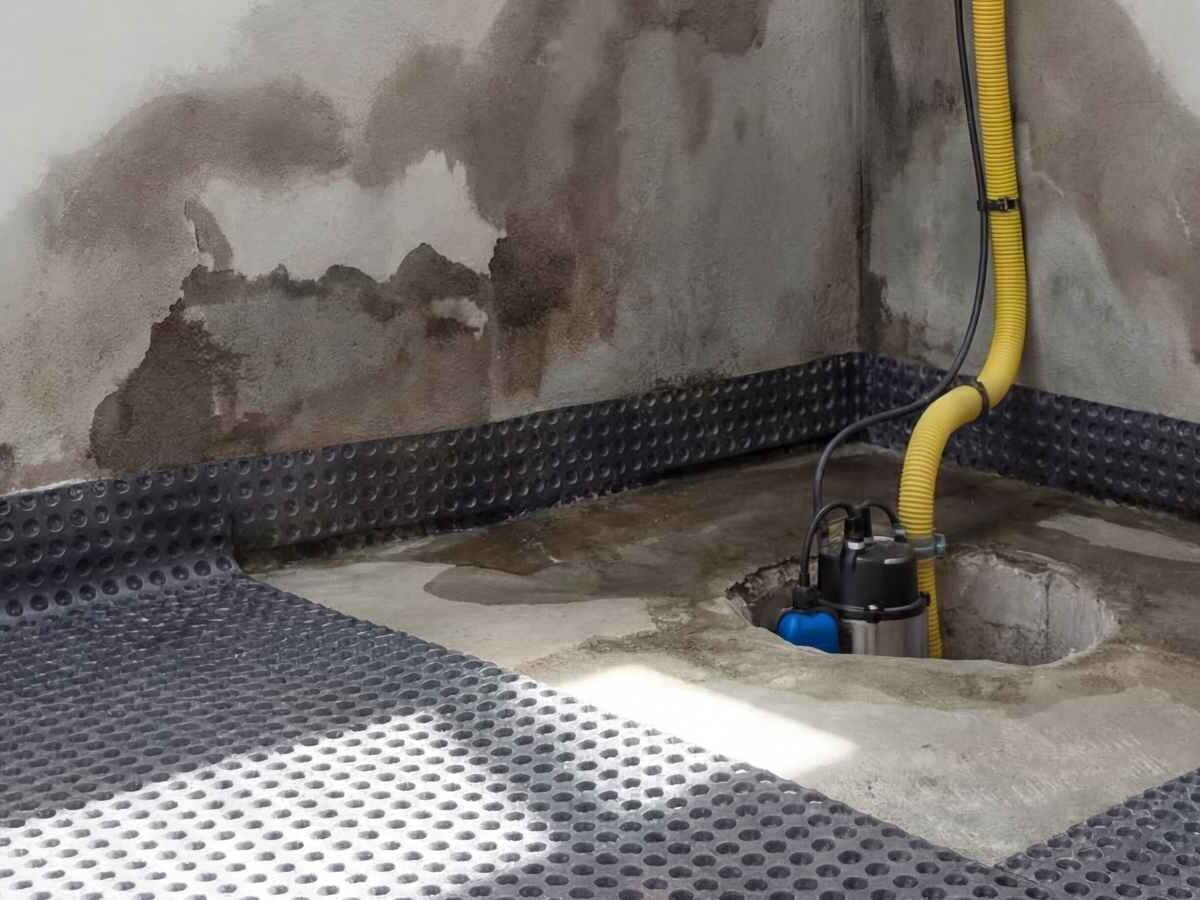
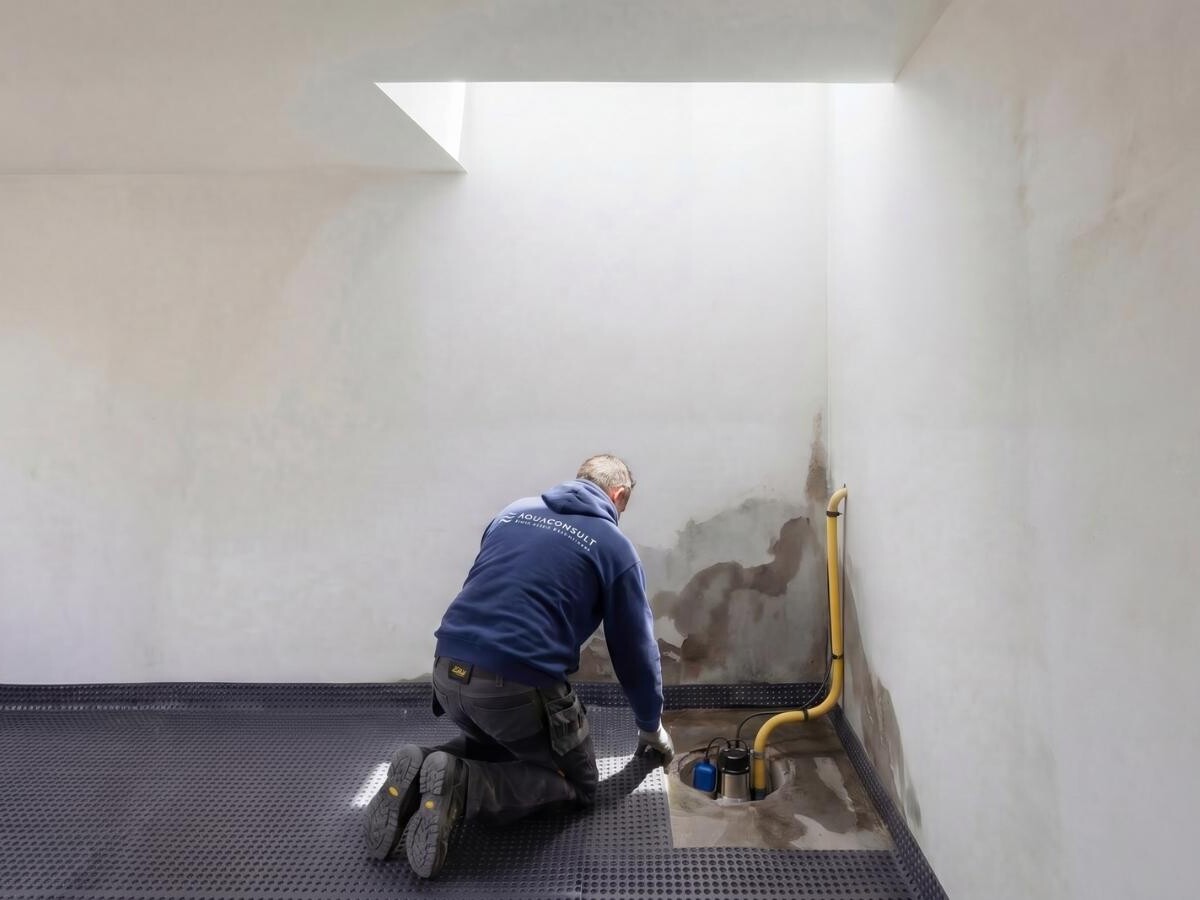
When the groundwater pressure under the house is too high for an ordinary basement pit, basement drainage the only definitive solution. This involves the controlled discharge of water via a pumping system.
- Target price: For a total basement project, expect a starting price from around €2,000.
Concrete injections for leaks
In modern houses or basements made of concrete, hairline cracks or bilge seam problems can cause acute water infiltration. Concrete injection seal these leaks under high pressure.
- Target price: This price strongly depends on the severity of the leak and is customised during our free expertise.
Facade impregnation or hydrofuge
Does the property suffer from penetrating moisture? By the facade impregnation, we apply an invisible, protective layer that repels rainwater while the wall continues to breathe.
- Target price: This can be done from as little as €8 per m².
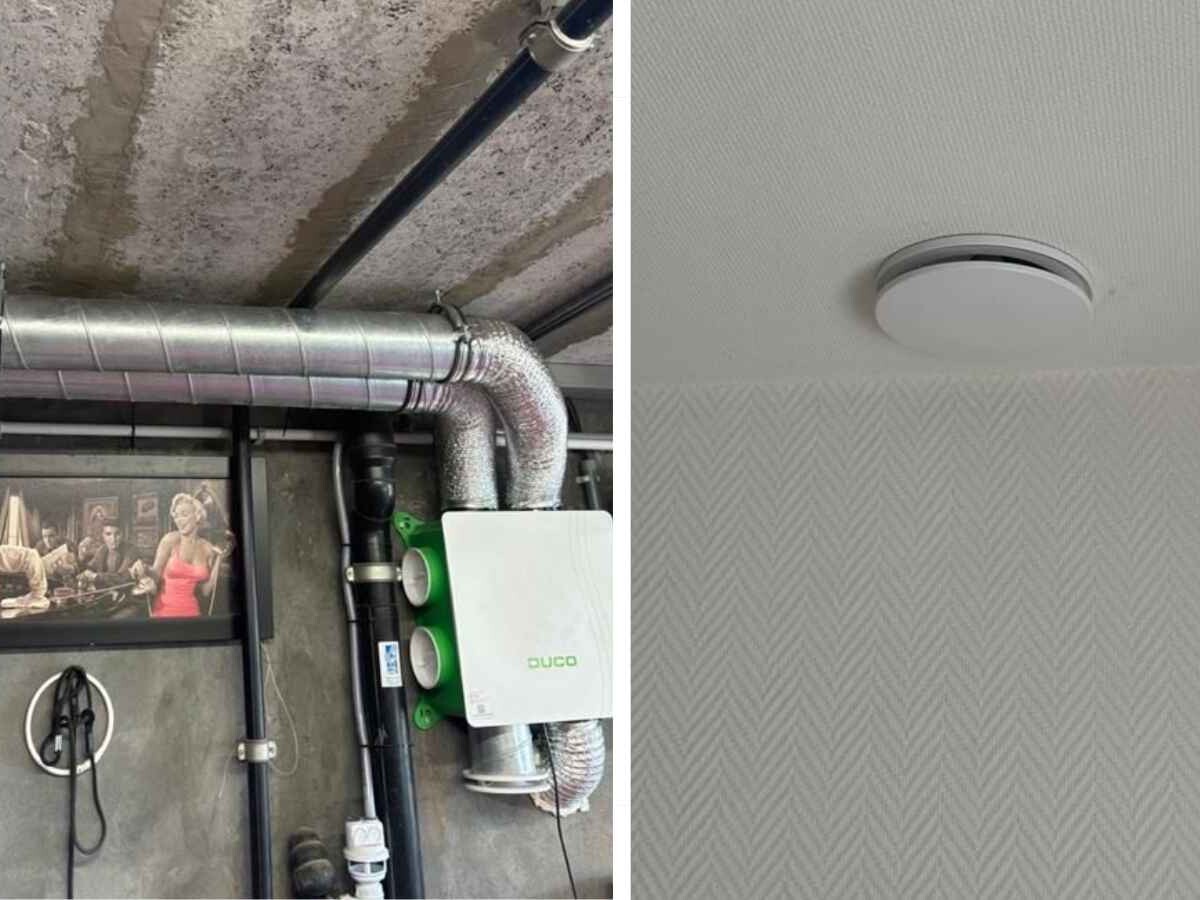
Ventilation system against condensation and mould
Moisture in the house does not always come from outside. Condensation and mould on the walls often indicate a lack of air ventilation. A professional ventilation system removes polluted, moist air and brings in healthy air.
- Target price: Ventilation solutions start from €1,000.
Plastering and finishing
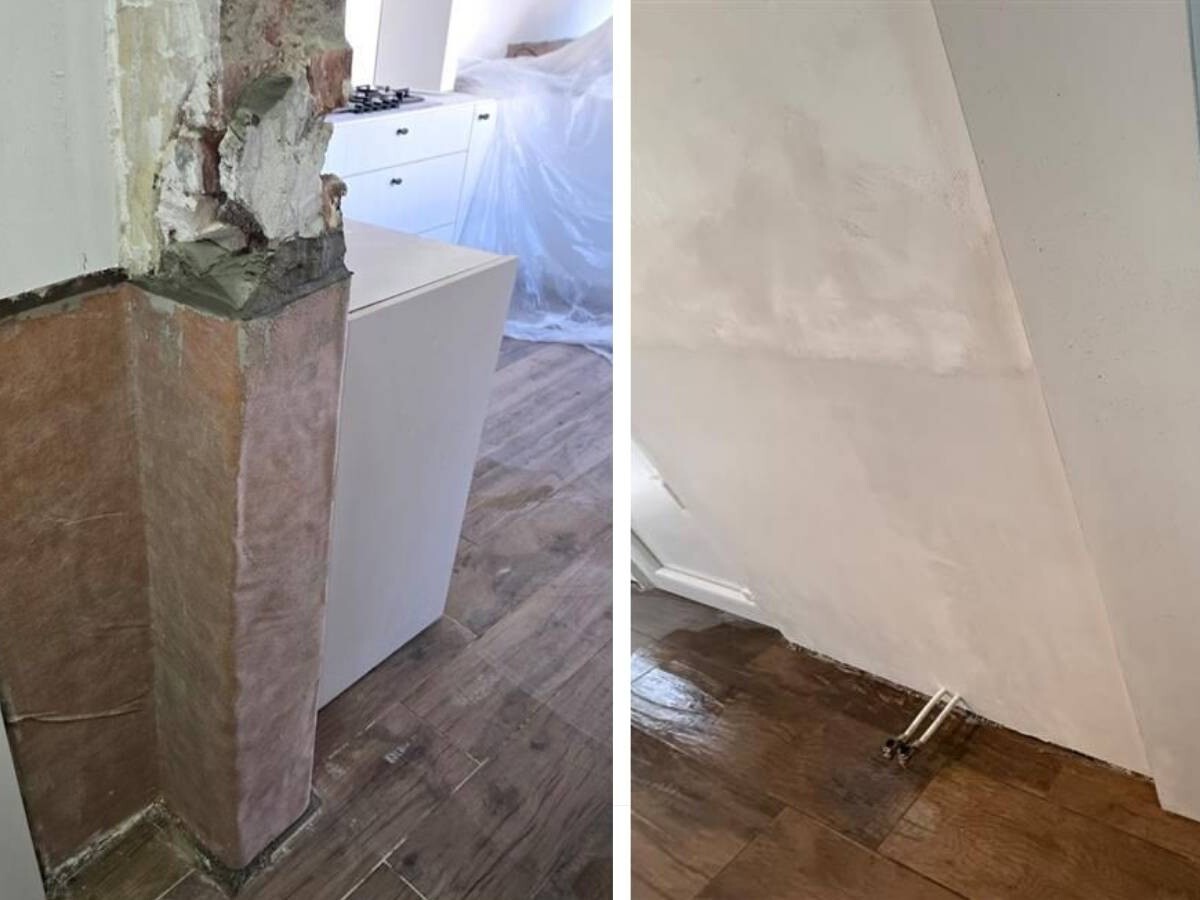
After moisture control themselves, the walls often need to be repaired. AquaConsult also provides the plastering so your walls will be completely even and paint-ready again after treatment.
- Target price: The price of this depends on the surface area and the condition of the substrate.
How much budget should you provide in total now?
While the exact cost will depend on the severity of the damage and the total area, it is essential to plan a realistic overall budget before purchase to meet moisture control to be able to do so. For an average family home where the ground-floor walls need to be treated against rising damp, combined with a professional finishing of the plastering, you should consider a total budget between €3,500 and €7,000.
If there is also a damp cellar which needs to be fully waterproofed, the total renovation budget rises to between €8,000 and €15,000. By mapping out this total amount, including margin for contingencies, in advance, you will be in a stronger position during negotiations and avoid putting pressure on your renovation budget after purchase.
The legal side of the moisture story
Even before you buy your dream home, ask yourself this question: Who is going to buy this moisture problem pay? The legal aspect of moisture damage is often complex and depends on the boundary between your duty to investigate as a buyer and the seller's duty to inform.
Is moisture damage a hidden defect?
There is a clause in most sales contracts that indemnifies the seller for hidden defects. Still, you can hold the seller liable if three strict conditions are met:
- Ernst: The moisture problem must be so severe that you would not have bought the property or for a much lower purchase price if you had known about it.
- Hidden character: The defect should not be visible to a prudent and reasonable person during the viewing.
- Presence at sale: You must be able to prove that the cause of the damp existed at the time the deed was signed.
Note: During viewings, did you see black spots, smell a musty odour or the wallpaper was already coming off? Then this is considered a visible defect. The law then assumes you accepted this at the time of purchase.
Who is guilty and when is cheating?
If the seller knew about the moisture problems and deliberately camouflaged them, think of installing a false wall, quickly repainting mould just before the viewing or strategically moving cupboards, then we speak of voluntary concealment or deception. In that case, the seller cannot hide behind the safeguard clause in the deed and is liable for damages and repair costs.
What legal action can you take?
If you suspect that you are the victim of a hidden defect, this is the legal route to take:
- The amicable settlement: Contact the seller to present the problem. An intervention in the repair costs can often be agreed without court intervention.
- Notice of default: Does the seller not respond? Then send a registered letter officially reporting the defect and setting a deadline for resolution.
- Appointment of an expert: Have an independent expert such as AquaConsult or a court expert determine what the cause is and when it occurred. This report is your main piece of evidence.
- The court: As a last resort, you can go to court to demand a price reduction or, in extreme cases, rescission of the sale.
So prevention is cheaper than litigation
Legal proceedings often take years and cost a lot of money. That is why it is essential to take your duty to investigate seriously. By taking an expert from AquaConsult to a second viewing, you turn any ‘hidden’ defects into ‘known’ defects. This not only puts you in a stronger legal position, but also gives you the right evidence immediately for your price negotiations.
Saving costs: Premiums and subsidies
Moisture control is an investment in the value of your home and your health. But the price tag can be significantly eased by the government.
1. The My Renovation Premium
The My Renovation Premium is the main subsidy for those buying and renovating a home. Moisture control falls under the category ‘External walls’.
- What is subsidised? Treating the walls against rising damp (inject), basement waterproofing, basement drainage and treating the walls against penetrating moisture (facade impregnation).
- Conditions: The property must be located in the Flemish Region and be at least 15 years old on the date of the premium application.
- Amount: Depending on your income category, you can get back up to 35% or even 50% of your bill amount. For the highest income category, there is often a fixed premium amount per sq ft.
- Important: The works must be carried out by an approved contractor such as AquaConsult to qualify.
2. The reduced VAT rate of 6%
When buying an existing home, you enjoy an immediate financial benefit with the reduced VAT rate of 6%.
- The rule: If your property is older than 10 years and used mainly as a private residence, you will pay only 6% VAT on both labour and materials instead of the usual 21%.
- Impact: This saves 15% directly on the total invoice price, which in large moisture projects can quickly amount to hundreds or thousands of euros.
3. The My Rebuilding Loan
After buying your home, do you not have the funds immediately to make the moisture problems tackle? Then you can use the My Refurbishment Loan.
- What is it? A loan of up to €60,000 with preferential interest rates.
- Objective: This loan is specifically for renovations that improve home quality, including moisture control and ventilation.
4. Municipal and provincial premiums
Besides the Flemish government, some cities and municipalities provide additional subsidies for improving housing quality.
Tip: Always check The Premium Finder of the Flemish government and enter your postcode to see if your new municipality gives an extra push.
5. EPC label premium
If you tackle damp problems as part of a larger renovation, you may be eligible for the EPC label premium. If you significantly improve the EPC label of your new home, you will receive a premium that can amount to several thousands of euros.
6. Insurance in case of damage
Sometimes the grant is actually an intervention by the insurance company. Is the moisture problem the result of an acute leak or a break in the water pipe? Then fire insurance often covers consequential damage and sometimes even part of the repair work.
Our tip to buyers: AquaConsult not only helps you carry out the works, but we also provide you with all the necessary certificates and technical documentation you need for your premium applications. That way, you can be sure you won't miss a single euro.
Strategic negotiation: Turn dampness into an asset
Moisture is your best bargaining tool. Use an official diagnostic report from AquaConsult to get the asking price down. Often, you can obtain a price reduction greater than the actual repair costs of your moisture problems. This way you buy the property more cheaply and solve the problem permanently right away.
So buying a house with damp problems does not have to be a nightmare. With the right expertise and a clear view of costs, you can transform a damp property into a sound and value-proof investment.
Are you about to make an offer? Then don't be surprised by unforeseen costs. Ask today your free expertise to and buy your dream home with 100% certainty.
More information and brochure request
Answer the questions below and get more information and our brochure based on them. Would you like the cost price calculated? Then indicate this clearly in the text field below and we will do the necessary.


AquaConsult
Moisture problems
Moisture solutions
Why does my house smell musty? The link between humidity and air quality
You probably know it: you've been away for the weekend and you come home and open the door where you are immediately greeted with a musty, pungent smell. Whether you clean, leave scented candles burning or open the windows, that typical musty smell doesn't go away. It seems as if the smell has migrated into the walls of your home. At AquaConsult we know that this is not a hygiene issue, but an alarm signal from your home. After all, a musty smell is now a sign of disturbed air quality and underlying moisture problems in your home. In this blog, we explain where that smell can come from, how it affects residents and how to get rid of it once and for all.
The science behind fragrance: what exactly do you smell?
This typical musty smell, which we often describe as ‘wet dog’ or ‘an old cellar’, does not happen by accident.
So when we talk about this odour, we are actually talking about a complex biological and chemical process that takes place invisibly in the walls and air of your home. To understand how to permanently remove the odour, you need to know what the source of the problem is. This is why science breaks down this characteristic into three crucial factors.
1. Microbial Volatile Organic Compounds (mVOCs)
The smell we describe as musty is referred to in science as mVOCs. These are actually gaseous by-products released during the formation of fungi and bacteria.
From the moment a material such as plaster, wood or insulation becomes damp, it becomes a breeding ground for fungi and bacteria. Microorganisms then literally start eating or digesting the materials. During this digestion process, they emit gases. So what you smell in your home is not the moisture itself, but the chemical emissions from the active moulds that are deep in the pores of your home. Even if you can't see the mould yet, you can already smell it.
2. The role of relative humidity (RH)
The air in your home works like a sponge. Warm air retains more water vapour than cold air. When the relative humidity rises above 60%, the air in the house becomes saturated.
In this saturated state, two things happen:
- Odour retention: Moist air particles or water molecules bind to odour molecules from, for example, cooking, pets or smoke. As a result, these odours linger longer and feel heavier.
- Surface absorption: Excess water vapour in the air finds a way out and condenses on cold surfaces such as the walls or windows. This keeps the process of mould and associated gas emissions (mVOCs) continuously.
3. The ‘chimney effect’ and diffusion
Why do you often smell the musty smell throughout the house, even if the problem is located in the basement? This is because of the laws of thermodynamics. Warm air simply rises. As this air migrates to the upper floors, it creates negative pressure in the lower parts of the house.
This causes moist and mould spore-laden air from the basement to be sucked upwards through cracks, holes in pipes and stairwells. We also call this the chimney effect. This directly affects the air quality in your living room or bedroom by a moisture problem which is located metres below.
So why does my house smell musty? The possible causes at a glance
A musty smell in your home is rarely the result of a single problem. It is often a combination of environmental factors and the construction of your home.
When structural moisture problems are the source: What species cause the odour?
If the musty smell lingers in the house, chances are it is due to a structural moisture problem that negatively affects air quality day and night. At AquaConsult, we often see our clients smelling the odour but unable to place the source. Therefore, we list the possible culprits.
Rising damp: The constant evaporation
Rising damp occurs when groundwater soaks into the walls through the foundation. This often happens in older houses that have no or damaged flood defences.
- How do you recognise it? Due to wallpaper coming loose, peeling paint or plaster powdering at the bottom of the wall. Sometimes you can also see white salt efflorescence on the wall.
- Impact on air quality: The wall behaves like a large radiator that constantly evaporates clammy moisture into the room. This creates structurally excessive humidity (often above 70%), making the air feel heavy and stuffy.
- The musty smell: The smell is often earthy and clammy, similar to the smell of wet earth or a forest walk after a rain.
Moist basement: The smell factory under your feet
The basement is below ground level and under constant pressure from groundwater. In the absence of a watertight basement forces moisture out and creates a damp cellar.
- How do you recognise it? Puddles of water on the basement floor, clammy walls, a musty smell as soon as the basement door opens or mould on cardboard boxes and wooden shelves.
- Impact on air quality: Through the ‘chimney effect’, cold, humid basement air rises into the rest of the house. As a result, the air quality in your living room or bedroom is directly affected by the polluted air from downstairs.
- The musty smell: The classic, pungent cellar smell. A pungent, mouldy smell that clings to textiles and clothing.
Penetrating moisture or damp walls: The porous barrier
Rainwater penetrates deep into interior walls through a porous façade, cracks in masonry or damaged pointing. When this is the case, we speak of penetrating moisture or damp walls.
- How do you recognise it? Due to moisture spots on the interior wall that get bigger after a heavy rain or an exterior wall that stays dark and wet for an extremely long time after precipitation.
- Impact on air quality: Wet walls lose their insulation value, lowering the indoor temperature and increasing humidity. This creates a cold and unpleasant indoor climate.
- The musty smell: A smell of wet masonry and lime. It is an odour that often comes and goes, depending on weather conditions.
Condensation moisture: The saturated atmosphere
Condensation moisture occurs when warm, moist air cools on cold surfaces due to a lack of ventilation.
- How do you recognise it? The water droplets on the windows, black mould dots in the corners of the ceiling or mirrors that stay fogged up for a long time.
- Impact on air quality: The air becomes saturated and consumed. As the air is not refreshed, mould spores and bacteria accumulate. You literally breathe polluted air.
- The musty smell: The smell is often musty and slightly sour, typical of active fungal growth on organic material such as wallpaper or paint.
Mould on the walls: The active air pollutant
Mold is the direct result of long-term moisture problems. It is a living organism that feeds on your home.
- How do you recognise it? To black, green or white spots and fluffy textures on the walls, ceilings or behind furniture.
- Impact on air quality: Mould continuously emits spores into the air. This drastically lowers air quality and is the biggest culprit for occupants' health.
- The musty smell: A very strong and suffocating odour. It smells like spoiled material and is often the most disturbing smell in the house.
Moisture in new-build homes: The trapped building moisture
Thousands of litres of water are used during the construction process. If this is not allowed to dry out sufficiently before you move in, it will remain the building moisture caught in the construction.
- How do you recognise it? Due to constant clammy air, windows that fog up even with light heating and the house never really feeling warm despite insulation.
- Impact on air quality: It prevents the natural drying of the house and causes excessive humidity from day one, which prevents the growth of the first fungi can encourage.
- The musty smell: A subtle but noticeable smell of damp concrete and stucco that becomes unfresh over time.
What are the consequences of poor air quality?
Ignoring a musty smell is not without risk. Poor air quality, caused by a structural moisture problem, has a chain reaction of negative consequences. When your home can no longer breathe, it affects everything you love.
1. Impact on your health
The air you breathe in a damp home is full of mould spores, bacteria and dust mites. This can lead to:
- Airway problems: Develop or worsen asthma, chronic bronchitis and a constant ‘tickling cough’.
- Allergic reactions: Tearing eyes, a runny nose and skin irritations like eczema that just won't go away.
- Poor sleep: In a clammy room, you sleep less deeply, leading to chronic fatigue and difficulty concentrating during the day.
- Weakened immune system: Vulnerable groups such as children and the elderly are especially at increased risk of infection.
2. Financial implications
Moisture in the home literally costs money every day:
- Higher energy bills: Humid air is much heavier and harder to heat than dry air. Your heating has to run harder for the same comfort feeling.
- Decline in value of your property: A house with a moisture history or musty smell is worth less in the real estate market. Potential buyers drop out at the first memory of smell.
- Unnecessary replacement costs: Furniture, electronics and clothes becoming stale or damaged by mould, should be replaced early.
3. Structural damage to your home
Moisture does not stop at the smell, it also affects the foundations of your home:
- Degradation of materials: Wooden support beams can rot and plaster loses its adhesion and falls off the walls.
- Corrosion and salts: Rising damp brings hygroscopic salts that compress the bricks from within.
- Insulation loss: Once insulation material gets wet, it loses its effect completely, cooling your home even faster.
4. Social and mental well-being
Your home should be a place you are proud of:
- Social threshold: People in a musty house are often embarrassed by the smell, making them less likely to invite friends or family over.
- Odour in clothing: The smell soaks into your fibres. You no longer notice it yourself, but at work or with friends, you constantly carry the musty smell with you.
- Residential stress: The constant feeling that there is something wrong with your home, which creates anxiety and takes away the enjoyment of living.
The solution to the musty smell in the house
Many people try to mask the smell with candles or sprays. But here at AquaConsult, we go for the definitive approach to the source.
Breathe again in a healthy home
A musty smell is a signal from your home that help is needed. By tackling the source of moisture, you not only improve the unpleasant smell, but also your health and the value of your home. A fresh home starts with dry walls.
Want to get rid of that musty smell for good? Ask your free expertise and find out how we can restore your air quality.
More information and brochure request
Answer the questions below and get more information and our brochure based on them. Would you like the cost price calculated? Then indicate this clearly in the text field below and we will do the necessary.


AquaConsult
Moisture problems
Moisture solutions
The 5 most common mistakes when fighting moisture yourself
You probably recognise it: a small damp spot on the wall, a musty smell in the basement or those pesky black dots in the corner of the bathroom. The first reflex is to get to work yourself with the moisture problem. Quickly go to the DIY shop, get a pot of anti-humidity paint and paint over the problem. And that's where you make a big mistake.
Although we did join AquaConsult love tacklers, we unfortunately often see in practice that well-intentioned DIY actions just do more damage than good. Moisture control is an art in itself. That is why we are happy to explain where it often goes wrong and how you can effectively get your home moisture-free and therefore dry.
Know your enemy: What kind of moisture do you have in your home?
Before you open the toolbox, you need to know what causes the moisture problem is. Moisture control is bespoke. Solving one moisture problem is counterproductive for another.
From the moment many people discover a moisture problem, the first question they ask themselves is, “How do I get moisture out of my house as soon as possible?” For different moisture problems, there are different ways to do this. At condensation moisture or building moisture helps intensive ventilation. But beware, because when it comes to a structural problem such as rising damp, then merely opening a window will never solve the root of the moisture problem.
What can you already do yourself to combat damp?
Not every humidity problem requires immediate major intervention. What you can do yourself to bring down humidity in your home:
The 5 most common mistakes in DIY damp-proofing
When moisture problems beyond a fogged-up window, the following mistakes are often made in terms of DIY moisture control.
1. Repaint with anti-humidity paint
This is the biggest and most common mistake when it comes to fighting moisture. Getting rid of a damp wall or mouldy spot with special paint seems quick, but you are locking the moisture in, so to speak. The water seeks another path, often higher up the wall, while the internal structure of your home slowly rots away. You are not addressing the moisture problem, you are covering it up to the naked eye, while it slowly breeds further within the structure of your home.
2. Impregnating the facade incorrectly
The self injecting an external wall or the façade at penetrating moisture is risky. If the façade is not 100% free of cracks, you are again trapping moisture, but behind the protective layer you are applying to the façade. At the first night frost, the water expands and your bricks and joints may simply crack.
3. Installing a false wall against a damp wall
When you don't see it, the moisture problem is already solved for many. This is especially thought to be the case with a damp cellar or room. By installing a plaster wall in front of the moisture problem, you no longer see it, but this way you create a perfect breeding ground behind the wall for unhealthy moulds which you breathe in unnoticed. In the long run, you may experience health problems if you do not solve the moisture problem permanently.
4. Self-injecting walls against rising damp
We often get asked if you rising damp can fight yourself. Indeed, there are do-it-yourself kits you can use to fight your can inject walls, but these are often not powerful enough for thick walls. Without professional equipment, chances are that the barrier will not be fully opaque, so moisture will simply continue to rise in the wall.
5. Failure to distinguish between building moisture and leaks
In new-build houses, moisture spots are often thought to be just construction moisture. As a result, many new owners ignore a real leak or a construction fault, with all the consequences for your new plastering.
The consequences: What does a wrong approach bring about?
A moisture problem Ignoring is bad, but getting it wrong often carries even greater risks. When you choose the wrong method, you trigger a chain reaction of problems.
Why AquaConsult's expertise makes a difference
Moisture control is precision work that requires the right technique for the right moisture problem. At AquaConsult, we offer a total package of professional solutions that go beyond what you find in DIY shops.
Our experts measure to the core of the wall to see where the problem really is. Moreover, we offer a moisture solution with a long-term guarantee.
More information and brochure request
Answer the questions below and get more information and our brochure based on them. Would you like the cost price calculated? Then indicate this clearly in the text field below and we will do the necessary.


AquaConsult
Moisture problems
Moisture solutions
The great moisture guide: What types of moisture exist?
What is covered by moisture? A complex problem simply explained
When we talk about ‘moisture in your home’, we are usually talking about excess water that settles in the structure of your home or is present in the air you breathe. More than just an aesthetic problem in your home, it affects your home comfort, energy bills and even your health.
But to solve the problem, we first need to know which moisture enemy we are dealing with. What types of moisture are there really?
The different types of moisture at a glance
Damp walls: The common intruder
Damp walls are a collective term for masonry where the building materials are saturated with water. This can occur on both interior and exterior walls.
- What is the cause? It is often a combination of several factors: an outdated façade, minor leaks or faulty ventilation causing moisture to soak deep into the pores of the walls.
- How do you recognise it? With dark, clammy stains on the wallpaper, a musty smell in the room and paint starting to peel off the walls.
Basement moisture: extreme pressure from outside
Moisture in the basement literally means that the basement is no longer watertight. The basement is the lowest point of your home, so it is often the first to be affected by groundwater.
- What is the cause? The main cause is hydrostatic pressure. Groundwater pushes against the basement walls and floor. With cracks or porous walls, water seeps in.
- How do you recognise it? The presence of puddles of water on the floor after rain, white powdery deposits on the walls and extremely high humidity.
Rising damp: The enemy at the bottom of the wall
Rising damp means that groundwater climbs vertically up the walls. It literally draws from the bedrock into your living spaces.
- What is the cause? The lack of a proper water barrier. This makes your wall act like a sponge, soaking up soil moisture.
- How do you recognise it? The damage is limited to the underside of the walls, up to a maximum height of 1 metre. Think loose skirting boards and salt crystals on the bricks.
Permeable moisture: The impact of rainwater
Penetrating moisture is moisture that penetrates horizontally from outside through the façade. This especially after a heavy rainfall.
- What is the cause? A porous exterior wall or damaged grouting. The façade is no longer water repellent and allows water to penetrate into the inner wall.
- How do you recognise it? Due to moisture spots present in the middle of the wall and also darkening after heavy rain. You often see green deposits on the outer wall as well.
Condensation moisture: Living humidity in an insulated house
Condensation moisture arises from daily activities. It is the biggest cause of mould in modern, well-insulated homes.
- What is the cause? A lack of ventilation. Water vapour from cooking, showering or breathing cannot escape and then settles on cold surfaces such as windows and walls.
- How do you recognise it? Fogged windows in the morning, water droplets on windowsills and black mould dots in the corners of the ceiling.
Mould on the walls: The dangerous consequence
Mold on the walls are micro-organisms that are the ultimate evidence of an underlying moisture problem.
- What is the cause? Fungi need moisture and stagnant air to survive. Usually the source is condensation moisture or an untreated leak.
- How do you recognise it? The presence of black, green or grey furry spots and a musty smell that does not disappear by opening a window.
Moisture in new-build homes: Residual building moisture
Moisture in new-build homes is the water left in the building materials of a newly completed house.
- What is the cause? During construction, up to 5,000 litres of water are used for concrete and plaster. If this does not evaporate completely before the inhabitants move in, the moisture will remain trapped.
- How do you recognise it? There is a clammy atmosphere in the house, condensation is present on the windows and the walls dry out extremely slowly after painting.
How can you distinguish the different moisture problems?
It can be difficult to pinpoint the exact source of a damp spot. Many symptoms look similar at first glance, but if you look closely, you will see the subtle differences. With these rules of thumb, you will learn the main types of moisture distinguished from each other.
The distinction based on location
- Only at the bottom of the wall? If the damp patches and plaster damage stop at a height of about 80 cm to 1 metre, chances are 99% you are dealing with rising damp.
- Scattered all over the wall or in the corners? When spots are also higher on the wall or concentrated in the upper corners of a room, this usually indicates condensation moisture or penetrating moisture.
The distinction based on the moisture stain itself
- Black spots and fungus? Do you see small, black dots expanding? This is a typical feature of condensation moisture. Mould grows on walls, after all due to a lack of ventilation.
- White crystals or powder? Do you see white, salty rash on the bricks or plaster? This indicates rising damp or moisture in the basement, leaving minerals from the groundwater behind in the wall.
The distinction based on weather conditions
- Does it get worse after rain? If the stains on your wall darken or expand immediately after a rain shower, you are dealing with penetrating moisture. The moisture then penetrates from outside to inside.
- No link to the rain? If the spots are constant, then condensation moisture or a structural problem such as rising damp the culprit.
Tip: The 'Aluminium foil test'
Do you hesitate between penetrating moisture or condensation moisture? Then stick a piece of aluminium foil on the damp wall and let it sit for 48 hours.
- Moisture on the outside of the film? Then it condensation moisture. The moisture from the air in the room settles on the cold foil.
- Moisture behind the foil? Then the moisture comes from the wall itself, indicating resounding or rising damp.
Note: While these checks give you a good indication, moisture is often an insidious problem. Sometimes multiple causes are present at the same time. For watertight assurance a professional moisture measurement by an AquaConsult expert is always the safest choice.
Why taking action is crucial
Moisture problems ignoring is never a good idea. After all, the consequences are greater than you think.
AquaConsult's approach: from diagnosis to final solution
At AquaConsult, we don't believe in half-measures. Any moisture problem requires a specific, science-based approach.
1. Free expertise: Our experts are happy to visit you throughout Flanders for a comprehensive moisture assessment. They look for the source of the problem and not just the symptoms.
2. Customised solutions:
3. Warranty and follow-up: You enjoy a long-term guarantee (up to 30 years), so you can sleep soundly again for years to come.
Get rid of moisture today
Moisture problems are annoying, but they are perfectly solvable if you choose the right partner. Whether it is a damp cellar in Antwerp or rising damp in a charming house in the Flemish Ardennes, AquaConsult is there for you.
Want to know what type of moisture is plaguing your home? Don't wait for the damage to get worse. Ask now your free expertise to AquaConsult.
More information and brochure request
Answer the questions below and get more information and our brochure based on them. Would you like the cost price calculated? Then indicate this clearly in the text field below and we will do the necessary.


AquaConsult
Moisture problems
Moisture solutions
Moisture control in renovation: Where do you start?
Step 1 of the renovation process: diagnosing the moisture problem
Before investing in expensive renovation materials, check the foundations of your home. A moisture problem is not always immediately visible on the walls, but there are clear signs you can look out for during your renovation to identify the problem:
Note: Sometimes a wall may appear dry on the surface, but the moisture may also be deep within the structure of your renovation project. At AquaConsult, we recommend that when renovating, you should always a free expertise to be carried out where the damp is diagnosed. Our experts measure the walls with professional equipment, so you can be sure you can start renovating or already decorating with confidence.
The different moisture problems at a glance
During a renovation, you can use different types of moisture problems face. Each problem is unique and requires a specific recognition and approach.
Moisture in the walls
Moisture in the walls is a wider problem for walls saturated with moisture, often due to the combination of factors such as leaking pipes or old construction defects.
How do you recognise it? Due to dark, clammy stains present on the walls that do not seem to dry up, regardless of the weather. Sometimes the stucco feels soft or powdery when you push against it.
Damp basement
The basement is under constant pressure from the surrounding groundwater. During renovation, it is therefore the ideal time to make this space usable again and from the damp cellar make a valuable repository.
How do you recognise it? There are puddles of water present on the basement floor after a rainstorm, the walls shining with moisture or salt standing as a white haze on the basement walls.
Rising damp
Rising damp is one of the most persistent moisture problems, especially in older houses where a water barrier is missing. Groundwater then soaks up inside walls like a sponge.
How do you recognise it? Damp patches, loosening plaster or flaking paint limited to the bottom of the walls (up to 1.20 metres high). You often see a clear horizontal flood line on the walls.
Penetrating moisture
At penetrating moisture rain and wind penetrate through the external wall, often because the façade has become porous or cracks are present in the pointing.
How do you recognise it? The presence of moisture stains that are higher up on the wall and often get bigger after a heavy rain indicate the presence of penetrating moisture. The spots are usually on the rain-side of your home.
Condensation moisture
Condensation moisture occurs when warm, moist air precipitates on cold surfaces in the house. In renovations, we often see this after installing new windows and insulation, as natural ventilation is then lost.
How do you recognise it? Drops on the inside of windows, moisture spots in the upper corners of rooms or on ceilings and a typical musty smell in the house.
Mould on the walls
Mould on the walls is not itself a moisture problem, but it is the direct result of an untreated moisture problem or lack of ventilation in the house. It is not only aesthetically disturbing, but more importantly, it is unhealthy for the inhabitants.
How do you recognise it? You see black, grey or green speckles on the walls. Usually in the corners, behind cupboards or around window mouldings. It is almost always accompanied by a recognisable mouldy smell.
Moisture in new-build homes
No, moisture is not only a problem when renovating an older home. Even in recent renovated homes, moisture can be a killjoy. During construction, a huge amount of water is used for concrete and plastering. The excess water is then trapped in the foundations and construction of the house.
How do you recognise it? Windows that constantly fog up and plaster that still shows dark spots after months or that won't budge. If you start painting too soon, the paint will not adhere and will therefore peel off.
How do you tackle moisture problems? AquaConsult's definitive moisture solutions
At AquaConsult, we don't believe in a temporary patch-up. A renovation deserves a structural moisture solution.
Wall injection: an impenetrable barrier
At wall injection we drill small holes in the affected walls at regular intervals, just above the floor pass. Into these holes, we inject a high-quality, moisture-resistant gel or liquid under controlled pressure. This product spreads into the masonry and, once cured, forms a horizontal barrier that no longer allows a drop of water to pass through. This is used for rising damp to efficiently get the walls cork dry so that they no longer soak up groundwater.
Basement sealing: a waterproof tub
At basement waterproofing we make the basement walls completely waterproof again by applying several layers of cementitious fixing mortars and synthetic resin. We create a new, waterproof shell on the inside of your basement. The critical connection between the floor and the wall is also additionally strengthened in the process. This is used for damp cellars and moisture in the walls. It is ideal for turning a damp storage room into a full-fledged hobby room or wine cellar.
Basement drainage: controlled water drainage
Sometimes the pressure of groundwater is so great that casing is not sufficient. In that case, we place a drainage system on the floor or against the walls. A special studded membrane catches the water seeping in and directs it through channels to a collection point, where a pump automatically drains the water to the sewerage system. The walls are then finished tightly. This is used for stubborn damp cellars with very high groundwater pressure, where pressure must be removed.
Facade impregnation: Giving your property a mackintosh
At facade impregnation we spray a colourless, water-repellent liquid over your facade. This liquid soaks deep into the pores of the brick. The result? Rainwater beads off the façade, while the wall itself can still breathe. This way, any internal moisture can still evaporate to the outside. This is used for leaking moisture. It protects the facade not only from moisture, but also from frost damage and pollution.
Mechanical ventilation: The lungs of your home
We install smart ventilation systems which constantly monitors the humidity in the house. As soon as the air becomes too humid, the system drains the polluted air and brings in fresh, dry air. This is used for condensation moisture and mould on the walls. Ventilation systems are indispensable in any renovation where insulation levels are increased.
Concrete injection: sealing active leaks
Sometimes water seeps in through shrinkage cracks or gravel nests in concrete structures. At concrete injection we drill holes at a 45-degree angle across the crack and insert special injection packers. Under high pressure, we inject a polyurethane resin that immediately expands as soon as it comes into contact with water. The crack is thus completely and permanently sealed from the inside out. This is used for damp cellars or moisture in the walls, where there is active water seepage through cracks in the concrete walls or floor slabs.
Plastering: The salt-resistant finish
After moisture treatment, we install a salt-resistant membrane or use sanitising mortars, followed by a new, tight plaster. This prevents residual salts from the wall from damaging your new finish. This is used in any solution to any moisture problem to ensure a lasting beautiful result.
What does moisture control cost during a renovation?
Because every renovation project is bespoke, the cost depends on the severity of the damage and the technique. Just remember that moisture control significantly increases the value of your property and prevents further damage to the structure.
The ultimate renovation checklist for a moisture-free home
The success of a renovation depends on the right order of work. To prevent your new plaster or floor from being affected by damp in no time, our experts have prepared this handy checklist for you. Follow these steps carefully when making your home damp-proof.
By following this list, you assure yourself of a result that not only looks beautiful on the day of completion, but also remains in top condition years later.
Start your renovation on a dry basis
A healthy home is the only basis for a sustainable renovation. Don't let moisture ruin your dream project. Want to make sure your renovation plans start on a dry basis? Ask your free expertise to our experts at AquaConsult.
More information and brochure request
Answer the questions below and get more information and our brochure based on them. Would you like the cost price calculated? Then indicate this clearly in the text field below and we will do the necessary.


AquaConsult
Moisture problems
Moisture solutions
AquaConsult again proud partner of Blind Bought
It is with great pride that we announce that AquaConsult is partner of the popular Play programme Blind Bought.
This well-known renovation programme takes viewers on the adventure of couples and families who have been looking for a suitable home for years, but fail to find their dream home due to various reasons.
25/03/2025
How Blind bought dreams come true
At Bought Blind, the well-known Play programme that is now in its eighth season, contestants give their full trust and budget to the team, which searches for a suitable home. Only after the purchase do they get to see their home in its original state, followed by a thorough renovation and redecoration. The move is arranged for them, and eventually the contestants discover their new home.
Moisture problems: an often underestimated obstacle
In this intensive process, our expertise plays a crucial role. AquaConsult was engaged to help potential moisture problems detect and prevent. This is no superfluous luxury, as as many as a quarter of all Belgian homes will experience moisture problems sooner or later.
To ensure a healthy living environment for the new residents, extra attention was paid to moisture prevention during the renovation works. AquaConsult identified potential risk areas and, where necessary, took targeted measures to prevent moisture problems in both the short and long term counteract and occurrence.
Thanks to our years of experience, we were able to quickly diagnose and tackle any moisture problem at its root.
You can trust AquaConsult blindly
We are immensely pleased and honoured to be part of this warm and inspiring programme.
Find out how we did in the previous season of Bought Blind Address moisture problems and ensure comfortable, worry-free habitable homes.
Blind Bought can be seen since 21 April on Play. Experience for yourself how we tackle moisture problems, helping to build healthy, comfortable homes.
Do you suffer from moisture?
You'd rather not see moisture problems, but do they crop up anyway? Then they need to be dealt with without mercy. Unfortunately, you cannot solve such a problem in the blink of an eye. Fortunately, AquaConsult is there for you with an approach you can rely on.
More information and brochure request
Answer the questions below and get more information and our brochure based on them. Would you like the cost price calculated? Then indicate this clearly in the text field below and we will do the necessary.


AquaConsult
Moisture problems
Moisture solutions
Remove mould from walls? This is how to do it properly
Mold on walls is more common than you think. It occurs mainly in rooms where a lot of moisture lingers, there is little ventilation or where there are large temperature fluctuations. Apart from not looking pretty, it can cause serious damage to both your home and your health. Therefore, it is important not only to remove mould, but also the underlying cause thoroughly.
21/11/2025
How does mould appear on walls?
When a cold surface of your wall comes into contact with warm, moist air, this moisture precipitates on the wall. These are exactly the conditions in which mould can grow without a problem. Especially the bathroom This makes it a favourite spot for mould.

Here's how to remove mould on your walls in 5 steps
Step 1: preparations
Make sure you have the following materials:
Before you start, it is important to work safely and efficiently. Because you will be working with corrosive agents, we strongly recommend wearing rubber gloves and a protective mask. Also, cover furniture and floors with plastic or old sheets so that no cleaning agent gets on them.
Step 2: prepare the space
Open windows and doors so that there is sufficient ventilation. This reduces the amount of mould spores in the air during cleaning.
Step 3: make the cleaning solution
Mix warm water with baking soda (about two tablespoons to a litre of water). Soda is effective and safe for most wall types. Want extra strength? Then we recommend getting a special mould cleaner from a specialist shop, or knocking on the door of a professional damp-proofing company.
Step 4: apply the cleaning solution to the wall
Apply the mixture with a sponge, brush or plant sprayer. Let it soak in for a while so that the mould comes off. To remove the mould on the wall, it is best to scrub the area firmly but gently so that you do not damage the wall. Then wipe the wall with clean water and a cloth so that no residue remains.

Step 5: let the wall dry out completely
Let the wall dry completely. Open a window or use a fan to speed up the process.
Our tips to really get rid of all moulds
Preventing mould from recurring starts with addressing the real cause.
It is also wise to take measures to prevent the mould from coming back.
In these situations, it is best to call in a professional to permanently remove moulds
It is important not to underestimate mould on your walls. Do you recognise any of the following signs?
In that case, professional help is the best choice. Experienced experts can thoroughly investigate the cause and fix it safely. This also applies if you have health complaints or suspect a hidden leak. A specialist can accurately assess the situation and provide appropriate solutions.
Get assistance from AquaConsult
Removing mould on the wall requires a combination of a good cleaning method and tackling the underlying cause. With the right preparation, safe working methods and attention to ventilation and moisture control, you can effectively combat mould and prevent it from coming back.
Are you suffering from moisture problems? Ask now a free moisture expertise to AquaConsult.
More information and brochure request
Answer the questions below and get more information and our brochure based on them. Would you like the cost price calculated? Then indicate this clearly in the text field below and we will do the necessary.


AquaConsult
Moisture problems
Moisture solutions
Always a dry basement: the solution for damp basement walls
Damp basement walls are a problem all too familiar to many Flemings. Fortunately, there is now an innovative, affordable and space-saving solution. In this article, you will discover how to get rid of damp cellar walls for good thanks to smart cellar drainage.
10/10/2025
How do damp basement walls occur?
Figures show that as many as 1 in 4 Flemish homes is struggling with damp cellar walls. Especially with high groundwater pressure, traditional methods such as basement waterproofing often fall short. The result? Walls that remain damp to the touch, with all its consequences.
Why damp walls in your basement is no small problem
Damp basement walls not only cause visible damage, but can also cause mould growth, odour nuisance and even structural problems. Especially if you use the basement for storage or as a technical room, it is essential to addressing moisture problems at the source.
Traditional basement waterproofing: not always sufficient against damp basement walls
Basement waterproofing is a classic method where a cement layer is applied to the walls. This approach can keep moisture out temporarily, but in case of permanent water pressure or rising groundwater, damp basement walls are inevitable. An alternative approach then becomes necessary.
There are three main scenarios:
In all cases, it is crucial not to ignore damp basement walls but to tackle them purposefully.
What exactly is floor drainage?
In floor drainage, a drainage system is placed on top of the existing floor, which actively drains incoming water. The system was optimised by engineer Eddy Peeters of AquaConsult. Instead of concrete and bubble membrane, he opted for a ceramic tile floor with a flexible joint that does not come loose. Not even with prolonged exposure to damp basement walls.
Floor drainage with pump system
Under the ceramic tiles are tile supports that drain the water to the lowest point in the basement. There, an automatic submersible pump autonomously pumps out the water. This system is the ideal solution for damp cellar walls, as it is both preventive and aesthetic.
Moreover, you can choose from different tile colours, making your basement space not only dry, but also stylish.

The benefits for your home
By tackling damp basement walls with ceramic floor drainage, you benefit from numerous advantages:
Final solution: never again suffer from damp basement walls (20-year guarantee).
Why take action now?
Damp basement walls do not resolve themselves on their own. The longer you wait, the greater the risk of serious damage to your home. With smart and proven floor drainage, you ensure a structural solution that will last for years. Whether you want to furnish a hobby room, storage room or technical room: dry walls are an absolute must. So don't let damp basement walls undermine your living quality.
Get assistance from AquaConsult
Moisture in your home can lead to unhealthy situations and damage your property. With the right knowledge, good habits and professional help if needed, you can keep the moisture in check, even in summer temperatures.
Are you suffering from moisture problems? Ask now a free moisture expertise to AquaConsult.
More information and brochure request
Answer the questions below and get more information and our brochure based on them. Would you like the cost price calculated? Then indicate this clearly in the text field below and we will do the necessary.


AquaConsult
Moisture problems
Moisture solutions
How to prevent moisture problems in your home?
Autumn is just around the corner. The days are getting shorter, it is getting cooler and more humid outside, the chauffeurs are jumping on again and the windows are staying closed more often. Unfortunately, this provides the ideal basis for dampness, and in a later stage even moisture problems. Fortunately, with the right tips, you can moisture excess moisture in your home right now.
AquaConsult expert in remedying moisture problems for more than 20 years. Discover our practical tips for preventing moisture in your home here.
19/09/2025
Summary: Moisture problems often arise from poor ventilation, cold bridges, damp basements or everyday activities. A few structural measures, ventilation and constant heating can prevent many problems. Stubborn cases require a professional solution from AquaConsult.
What are the best tips to prevent moisture in the home?
1. Start with the basics: undertake some structural measures
Many damp problems arise from the structure of the house. If you leave them untreated, they often grow into the persistent problems.
Fortunately, with some targeted structural interventions, you can prevent this from happening.
2. Venting and airing
Ventilation is often the way to make a excessive humidity in the home. Without air exchange, moisture lingers and can accumulate.
We recommend betting on the following:
3. Keep the indoor temperature constant
Large temperature fluctuations in the home often cause condensation. This is because when warm, humid air comes into contact with cold surfaces, water vapour forms and settles on walls, windows or ceilings. This is often the start of mould and damp problems.
It is therefore important to keep the indoor temperature as constant as possible. That way, you avoid cold areas where moisture can accumulate. It does not have to be a high temperature. Even 16 to 17 degrees can be enough to prevent condensation.
4. Minimise moisture production in the home
Much of the moisture in your home is simply created by daily activities. With a few simple adjustments, you can prevent too much:
What if it goes too far?
Sometimes ventilation, insulation or minor interventions are not enough. Or there was already a basis for moisture problems so excess moisture in the house cannot be avoided. Serious moisture problems require professional help. Consider:
Whereas residents often only see the symptoms, such as mouldy patches or a musty smell, a professional looks for the real source of the problem. By correctly identifying that cause, the right solution can be suggested. A professional approach will therefore save you not only time and frustration, but also high costs in the long term.

Get assistance from AquaConsult
Moisture in your home can lead to unhealthy situations and damage your property. With the right knowledge, good habits and professional help if needed, you can keep the moisture in check, even in summer temperatures.
Are you suffering from moisture problems? Ask now a free moisture expertise to AquaConsult.
More information and brochure request
Answer the questions below and get more information and our brochure based on them. Would you like the cost price calculated? Then indicate this clearly in the text field below and we will do the necessary.


AquaConsult
Moisture problems
Moisture solutions
Moisture in the house in summer: how does it happen and what can you do?
As soon as the temperature rises and the sun shows itself more often, we don't usually think about moisture problems. Yet moisture in the home in summer is more common than you might think. Warm air can hold a lot of water vapour, and when this air cools in the house, condensation forms. This can lead to mould, musty odours and even damage to your home.
But how do you know if you are dealing with this? And more importantly, what can you do about it? In this article, we answer frequently asked questions about summer damp problems.
08/07/2025
Why do you suffer from moisture in your home in summer?
Although summer seems dry and hot, plays humidity a big role. Warm outside air often contains a lot of moisture. When this air enters your home and cools there (e.g. by air conditioning), the moisture settles on cold surfaces. Think of walls, windows or floors.
There are also other causes of moisture in the house during summer:

How do you recognise moisture problems in your home during summer?
Moisture problems in the home are often less likely to be noticed during summer. They develop more slowly, and because people air out more often or are home less, the signs sometimes go unnoticed. Nevertheless, you can recognise them by the following signs:
Tip: Use a hygrometer to measure the humidity in the home. A healthy percentage is between 40 and 60%. If you're above that, it's time to take action.

How can you prevent moisture in your home in summer?
Prevention is indeed better than cure. However, when you find that basic prevention tips are not enough, it is often a sign that there is a deeper, structural problem. A specialist such as Aquaconsult will look beyond the symptoms and tackle the cause.
1. Ventilate smartly and purposefully
Try to regularly ventilate early in the morning or late at night. At these times, the outside temperature and absolute humidity are at their lowest. This can be done in several ways, by the way:
2. Use a dehumidifier
In spaces that are naturally moister and cooler, such as the basement, laundry room or bathroom, a dehumidifier is a very effective tool. The device removes excess moisture from the air, lowering humidity and reducing the risk of condensation and mould. However, this is not always guaranteed.
3. Reduce moisture production in the home
You can partly prevent moisture problems by producing less moisture in your home. Some tips:
When should you call in a professional?
The basics of ventilation and limiting moisture production are an excellent first line of defence. But what if problems do crop up? Some causes are deep in the construction of your home and more persistent than you can fix yourself. If you recognise any of the following signs, it is a clear sign that it is time to call in a damp proofing specialist like AquaConsult:
An expert can determine the cause via moisture measurement and inspection and provide an appropriate solution, such as injection against rising damp, basement waterproofing or façade impregnation.

Get assistance from AquaConsult
Moisture problems are not just a winter problem. Moisture in the home during summer is more common than many people think, and can lead to unhealthy situations and damage to your home. With the right knowledge, good habits and, if necessary, professional help, you can keep moisture in check, even in summer temperatures.
Are you suffering from moisture problems? Ask now a free moisture expertise to AquaConsult.
More information and brochure request
Answer the questions below and get more information and our brochure based on them. Would you like the cost price calculated? Then indicate this clearly in the text field below and we will do the necessary.