Rising damp: What is the real cost, and why does waiting actually cost you money?
Are you putting off fixing that damp wall in your home to save money? If so, there’s a good chance you’re already paying through the nose for it – it just isn’t on a quote yet, but it is on your energy bill. When rising damp If you find this in your home, your instinctive reaction is: how much will it cost to fix? You often end up putting off the work until the following year. But what many people don’t realise is that rising damp is a cost that increases every day. Damp walls They drain away your hard-earned heat, damage your plasterwork and affect your quality of life and home comfort. As a specialist in sustainable moisture control we receive at AquaConsult We deal with damage every week that could easily have been prevented. That is why we want to make it clear to you what the real cost of untreated rising damp actually is.

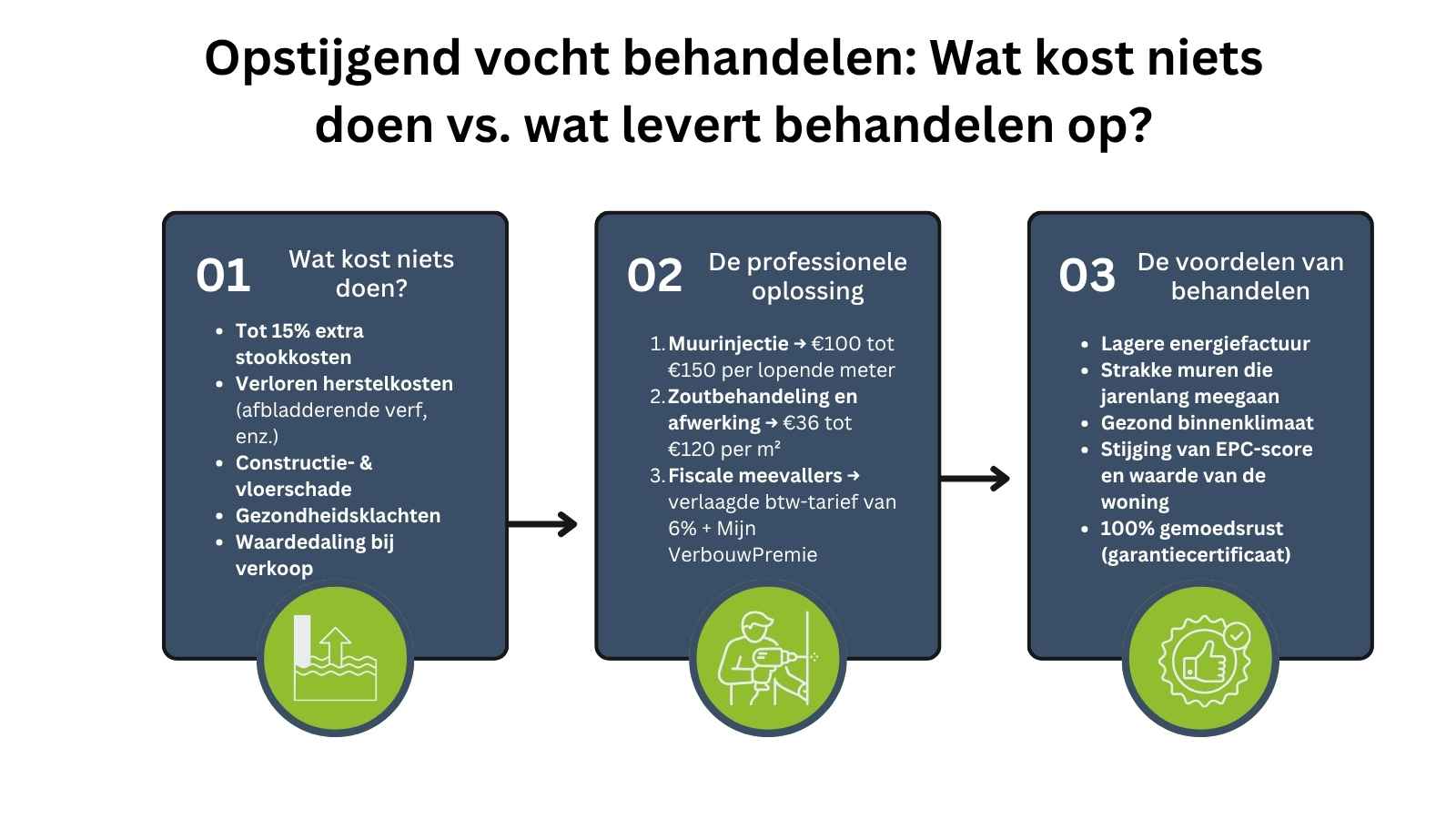
How much does rising damp cost you if you don’t have it treated professionally?
Who decides to a moisture problem Not treating it to save money doesn’t actually save a single euro. You’re choosing not to pay the costs all at once a permanent solution to damp to spend, but to spread it out monthly and annually across various hidden costs and bills. As long as rising groundwater is left to run rampant within your walls, you’ll be paying out continuously on five different fronts.
Cost 1: The energy bill and structural heat loss
The biggest and most underestimated financial drain from rising damp is the direct effect on your energy bill. A damp wall turns your home into an energy guzzler.
- Loss of insulating properties: a bone-dry brick or aerated concrete block provides excellent insulation for your home thanks to millions of microscopic pores filled with still air. When rising damp occurs, these air pockets become saturated with groundwater. As water conducts heat 25 times faster than air, the wall’s natural insulating properties are lost. Your walls no longer function as a protective thermal envelope for your home, but as a thermal bridge through which your hard-earned heat escapes unhindered to the outside.
- The ‘fridge effect’ caused by evaporative cooling: moisture trapped within the wall seeks a way out and continuously evaporates from the surface of your interior walls. Evaporation requires energy, or heat. The wall draws this heat directly from your heated living room. Your heating system therefore not only has to heat the room, but also constantly combat the active cooling element that your interior wall has become.
- A higher perceived temperature to compensate for the loss: damp walls cause relative humidity Indoors, humidity levels are consistently above the healthy range of 40% to 60%. At the same temperature, damp indoor air feels colder than dry air. To get rid of that chilly, damp, draughty feeling, turn the thermostat up by 1 to 2 degrees. Every extra degree on the thermostat increases your energy consumption by an average of 6% to 7%.
- The cost: this heat loss adds between 5% and 15% to your annual heating bills. With an average gas or electricity consumption of €2,500 per year, you are literally throwing between €125 and almost €400 out through the walls every year. Over a five-year period, that amounts to as much as €2,000 in energy loss.
Cost 2: Unnecessary repair costs
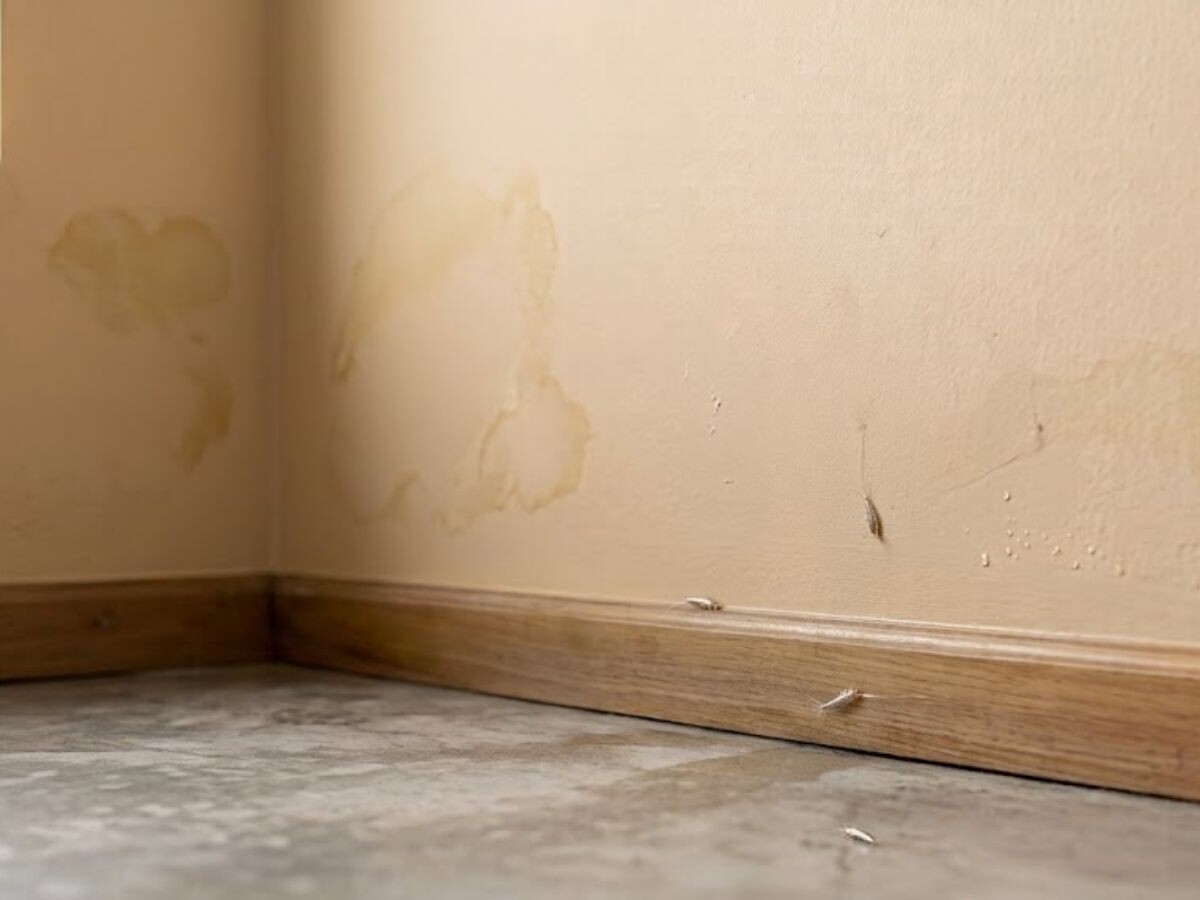
Many homeowners try to mask the problem of rising damp with a fresh coat of paint, special damp-proof non-woven wallpaper or new skirting boards. But without tackling the source of the damp, this is a waste of money, because rising groundwater carries hygroscopic salts up from the ground. As soon as the water evaporates, these salts crystallise in the plaster. These salt crystals then expand with enormous physical force.
- Plaster turns to sand and inevitably crumbles away.
- Paint layers swell up and flake off within a few months.
- The wallpaper is coming away because of the condensation moisture behind the paper.
Every coat of paint or superficial repair will cost you hundreds to thousands of euros in materials and labour, with the guarantee that the damp damage will return in exactly the same place within 6 to 12 months.
Cost 3: Structural damage and wood rot
If rising groundwater remains within the structure of your home for a prolonged period, it will compromise the load-bearing capacity and lifespan of your home.
- Deterioration of the brickwork: the binder in old lime mortars gradually leaches out, causing the joints to become sandy, which in turn makes the brickwork less stable.
- Wood rot in structural elements: floor joists, wooden grating, door frames and skirting boards that come into contact with the damp walls are affected by rot or the destructive dry rot. Replacing the load-bearing wooden floor elements therefore requires complex and extremely costly structural work.
Cost 4: Health and medical expenses
A wall that is constantly damp, with a relative humidity above 70%, provides the ideal environment for fungi and an explosive increase in house dust mites. The mycotoxins and fungal spores that are then released into the air lead to:
- The onset or worsening of chronic conditions such as asthma and bronchitis.
- Constant allergic reactions, blocked airways and eye irritation.
- Increased susceptibility to infections and chronic fatigue.
As well as doctor’s visits, inhalers and medication, what you’re really paying for here is your day-to-day quality of life and comfort at home.
Cost 5: Depreciation and loss of value on sale
Moisture is the number one turn-off for prospective buyers and estate agents. A musty smell in the hallway, damp patches on the floor or loose skirting boards are the first things to catch the eye during a viewing.
- Aggressive price negotiations: prospective buyers factor in the worst-case scenarios and are quick to demand a discount of between €10,000 and €25,000 on the asking price to compensate for the hidden defects in the property.
- A poorer EPC rating: a property that loses heat structurally and remains damp performs poorly in practice in terms of energy efficiency, which runs counter to current Flemish renovation obligation is.
Why waiting only makes the situation more expensive
Rising damp It never stabilises on its own. It is a progressive process that acts like a creeping poison in your masonry. Those who wait often hope that the damp problem will not get any worse, but physically speaking, the groundwater can only go in one direction, and that is further upwards, deeper into the building materials. There are therefore many reasons why delaying action causes the final repair bill to rise exponentially.
The effects of mould in the home
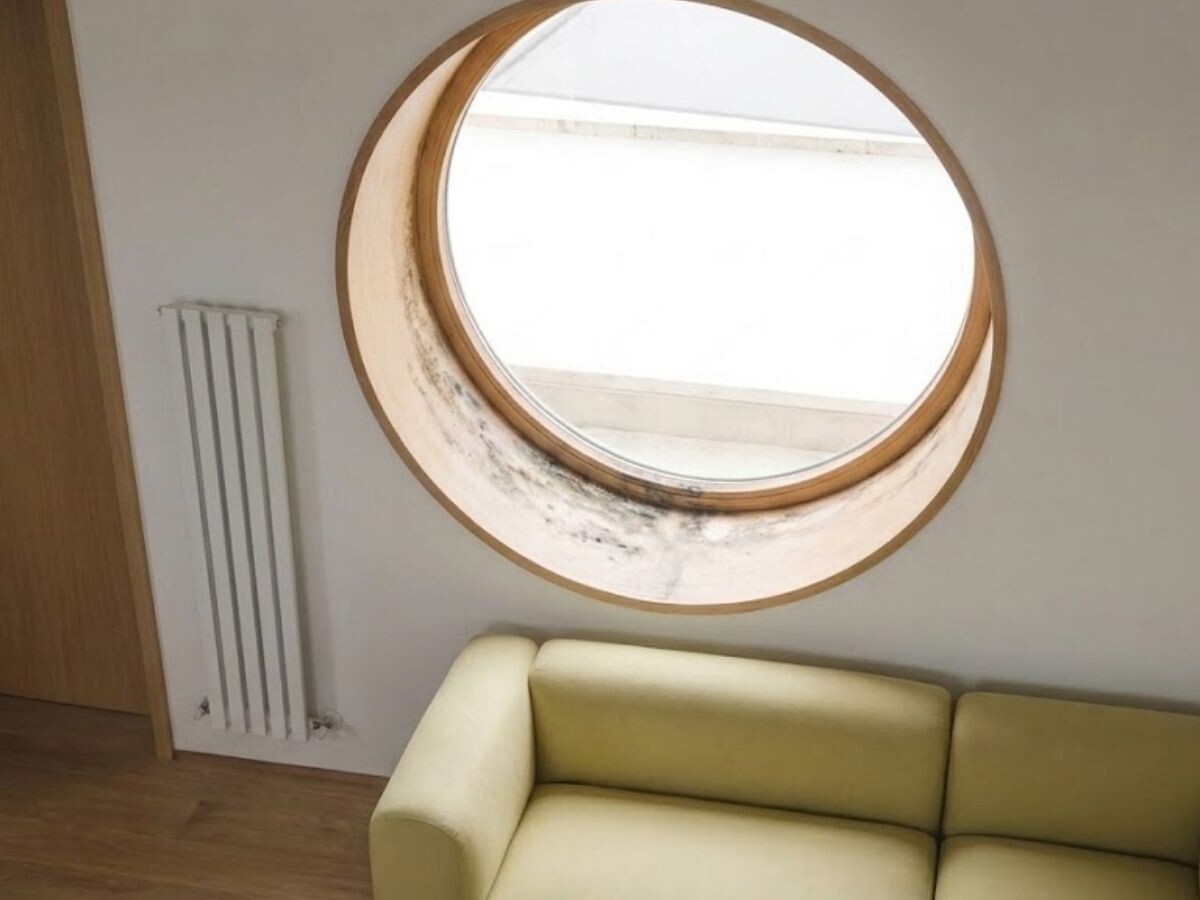
Mold are often initially seen as an aesthetic problem that can be concealed with a bit of paint or a cleaning product. But once mould has taken hold in your home, the network of mould hyphae spreads. The harmful effects affect not only your health, but it also affects your interior, the value of your home and your legal status as the owner.
1. Serious health problems and breathing difficulties
- Chronic respiratory irritation: inhaling mould spores irritates the mucous membranes. This causes persistent coughing, a sore throat, wheezing and chronic nasal congestion.
- Asthma and allergic reactions: mould spores are one of the most potent allergens in the home. They trigger asthma attacks and cause allergic symptoms such as watery eyes, sneezing fits, hives and eczema. In children, prolonged exposure to mould increases the risk of developing chronic asthma.
- Increased risk for vulnerable groups: babies, the elderly and people with weakened immune systems are at risk of developing lung infections. Pets also react strongly to mould, which can be recognised by lethargy, persistent itching or breathing difficulties.
- Insidious symptoms caused by mycotoxins: certain toxic mould species release substances that put a strain on residents’ nervous systems and immune systems. This results in unexplained chronic fatigue, loss of concentration and persistent headaches.
2. Deterioration and degradation of building materials
- Deterioration of plasterwork and plasterboard: mould eats its way through the binder in the plasterwork and the cardboard layer of plasterboard. The material loses its rigidity, crumbles and, in cases of severe damage, must be cut away completely.
- Irreparable damage to paint and wallpaper: mould takes hold behind the wallpaper and beneath the paint. This leads to blistering, discolouration and the seams coming apart.
- Damage to timber structures: if mould on timber is not dealt with, it can lead to wood rot and aggressive fungi. This damages timber beams, floor joists and roof trusses, posing a risk to the stability of your home.
- Deterioration of silicone sealant: in bathrooms and kitchens, mould penetrates deep into the pores of the elastic joints. Once the sealant layer has been compromised, the joint loses its watertight seal, leading to hidden water seepage behind tiled walls and bathtubs.
3. Damage to furniture, textiles and household contents
- Mould in wardrobes and on clothes: behind closed wardrobe doors, where air does not circulate, mould quickly takes hold. It settles on clothes, shoes and coats in the form of black specks and fibre damage that does not disappear even after repeated washing.
- Damage to furniture: wooden furniture, upholstered sofas and MDF cupboards placed directly against a cold or damp wall are often covered with a layer of mould on the back. In many cases, the mould penetrates so deeply into the furniture that throwing it away is the only option.
- Contamination of mattresses and bed linen: due to the combination of body heat, perspiration and the environment, mould can start to grow on the underside of mattresses, leading to an unhealthy sleeping environment.
4. Persistent odour problems and a loss of living comfort
- The characteristic musty smell: during their decomposition process, moulds produce microbial volatile organic compounds. This creates a pungent, musty smell that lingers in the home.
- Odour transfer to personal belongings: the smell seeps unnoticed into textiles, curtains and clothing. Residents often carry this musty smell with them when they leave the house, without realising it themselves.
- Social embarrassment and shame: visible black patches and a persistent mouldy smell often cause discomfort, making residents reluctant to welcome guests, friends or family into their homes.
5. Decline in the value of the property
- More difficult sales: prospective buyers linking mould directly to hidden defects and structural faults. This puts off potential buyers and prolongs the selling process.
- Price reductions: buyers who do make an offer use the presence of mould as leverage to negotiate the asking price.
- Risk of claims for hidden defects: simply painting over mould patches in a hurry before a sale does not solve the problem. If the buyer subsequently discovers that the mould has returned, this can be challenged in court as a hidden defect, resulting in legal costs and claims for damages.
How much does it cost to have rising damp treated professionally?
A permanent solution to damp tackles both the source of the damp and the residual salt damage. At AquaConsult, we use a clear, two-part method to rising damp treat.
Step 1: The damp-proof course via wall injection
You can expect to pay around €100 to €150 per running metre. With the wall injection Our experts drill injection holes at regular intervals just above floor level. They then inject a high-quality, moisture-resistant gel under controlled conditions. This gel spreads horizontally through the pores of the stone and hardens into an impermeable and watertight barrier. Groundwater can no longer rise.
Factors that determine this price:
- Wall thickness: a solid, full-thickness wall of 30 or 40 cm requires more drilling and grouting than a 14 cm quick-build block.
- Accessibility: freestanding walls versus cramped cellars or hard-to-reach corners.
Step 2: Salt management and restoration plaster
You can expect to pay between approximately €35 and €120 per m². We include this in the treatment because, whilst the injection gel stops new rising damp, it does not dissolve the salts already present in the wall. That is why, at AquaConsult, we cut away the affected plaster to above the damp line. We then install a salt-barrier membrane or apply a specialised restoration plaster. Only then can the wall be finished to a smooth, paint-ready standard using our plastering.
Insurance premiums and tax benefits in Flanders
Is your home more than 10 years old? If so, you’ll benefit from the reduced VAT rate of 6% on both the materials and the labour costs of a registered contractor. In addition, damp-proofing may be eligible for The Flemish Home Renovation Grant, particularly when these works form part of a larger renovation or insulation project.
What specific benefits does professional treatment offer you?
Treating rising damp is not a waste of money, but an investment which pays off straight away.
Conclusion: Dealing with damp professionally is always the cheapest option
Anyone who takes a sober look at the figures will immediately see that doing nothing costs you a fortune. The combined cost of a higher energy bill, repeated painting work and structural damage will, after just a few years, already exceed the one-off cost of a professional wall injection. The sooner you take action, the less invasive the procedure will be and the lower the final costs will be. So stop guessing and start knowing for sure. Request your free expertise Our experts will visit you free of charge to carry out a thorough damp assessment. Using professional measuring equipment, they will measure the exact damp levels in your walls and analyse the specific damage. You will receive a clear and transparent, bespoke treatment plan, including all necessary finishing work, with no surprises afterwards.

More information and brochure request
Answer the questions below and get more information and our brochure based on them. Would you like the cost price calculated? Then indicate this clearly in the text field below and we will do the necessary.