Dealing with rising damp: From diagnosis to a damp-proof wall
The damp patches or saltpetre rash Painting over the bottom of your wall is a waste of money. Now that autumn is here and winter is approaching, the groundwater level around your home is rising, the exterior and interior walls are barely drying out at all, and the risk of mould on the wall quickly. To damage to your home and your health To avoid this, it is important to understand which moisture problem what you’re dealing with and how you rising damp can be addressed in a systematic way. We at AquaConsult We’d be happy to explain exactly what rising damp is, what causes it and how professional wall injection will ensure your home is permanently dry again.

What exactly is rising damp?
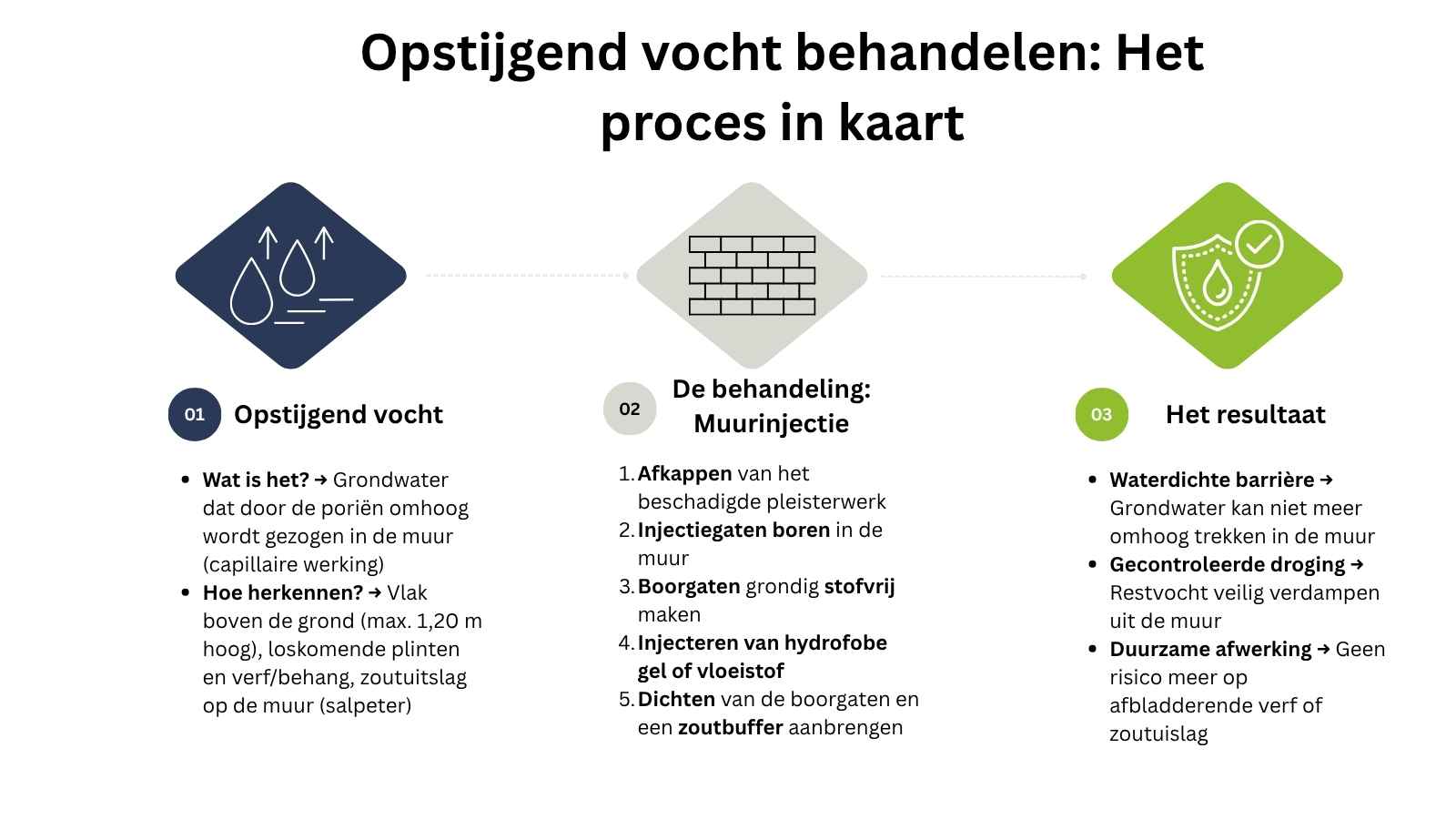
Rising damp, also known as capillary moisture, is groundwater that is drawn up into the walls through the foundations and the pores of the brickwork. You can compare it to a sponge lying in a layer of water, as the bricks in your external wall and the mortar gradually absorb the groundwater.
This problem mainly occurs in older properties where the original damp-proof course at the base of the wall is missing, damaged or has worn out.
How do you recognise rising damp?
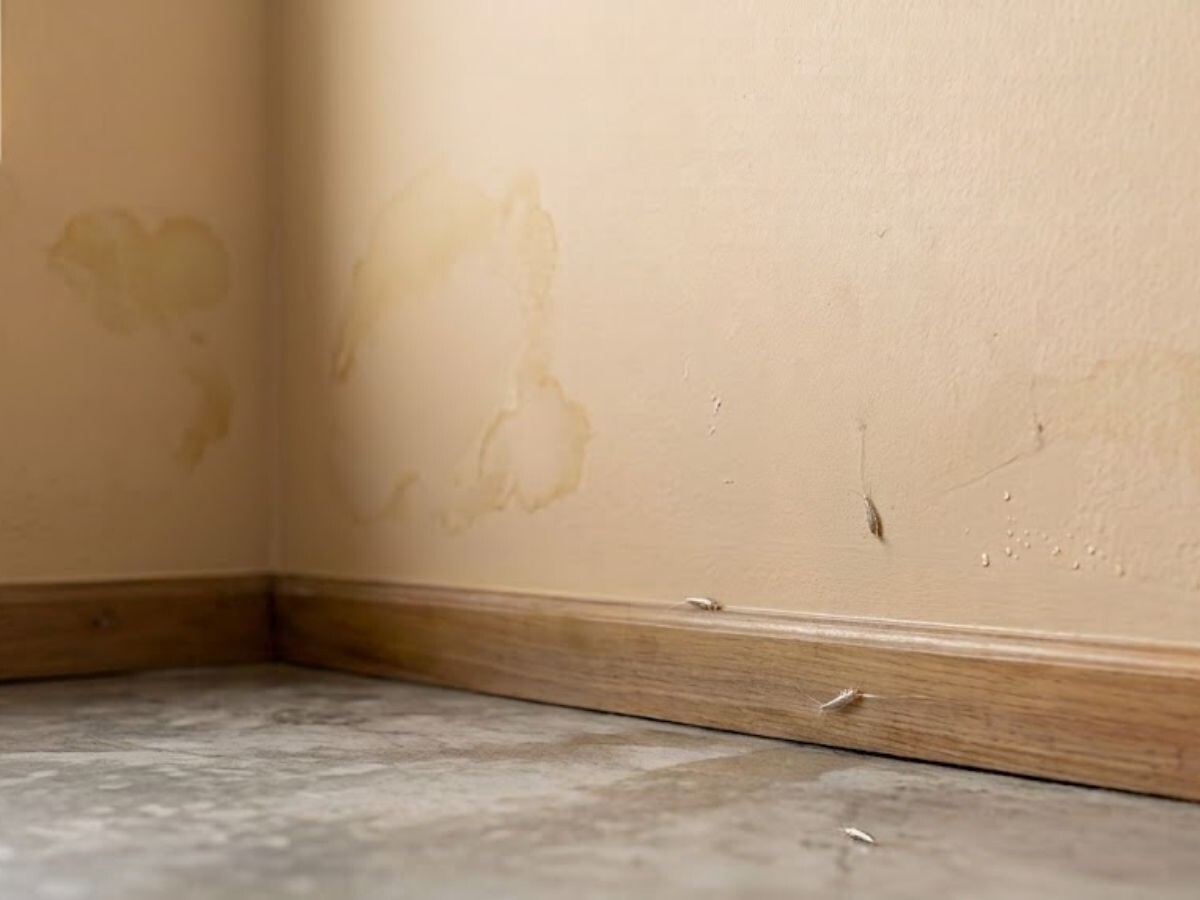
- Location: The damp problem Always start at the bottom of the wall, just above the skirting boards, and it will reach a maximum height of 1 to 1.20 metres on your interior walls.
- Symptoms: Skirting boards coming away, crumbling plaster, peeling paint or wallpaper coming loose.
- White salt rash or saltpetre: As the groundwater contains mineral salts, these salts are left behind on the interior wall once the water has evaporated. This forms a white, powdery deposit on your interior wall.
Note: Not every damp patch on the walls in your home is rising damp. There are simply a number of damp problems that you may notice on your interior walls.
- Penetrating moisture seeps through the façade from outside following heavy rainfall.
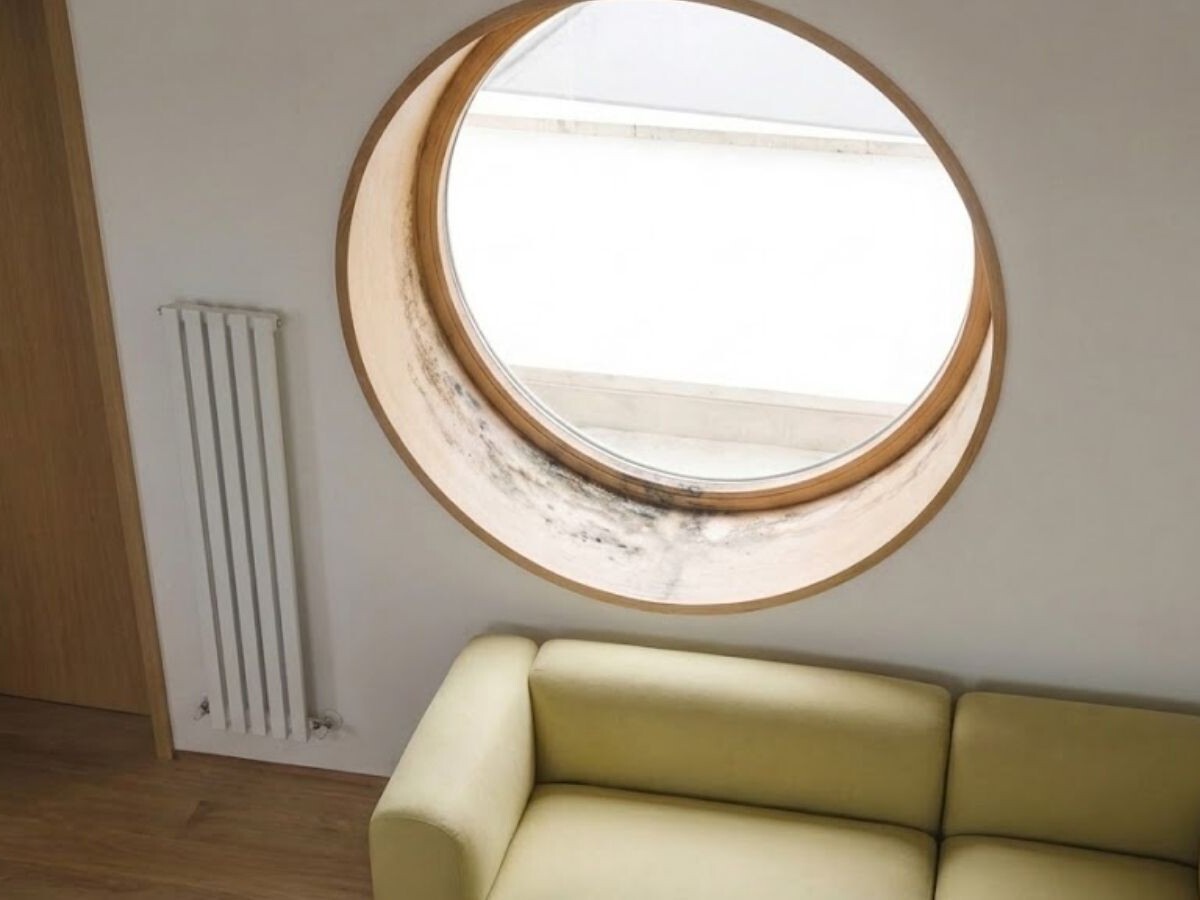
- Condensation moisture is, in turn, caused by a lack of ventilation.
An accurate diagnosis of damp prevents you from choosing the wrong one moisture solution uses to solve the damp problem.
How does the damp-proofing treatment work against rising damp?
The most efficient and sustainable moisture solution to rising damp can be treated wall injection. In doing so, we create an impermeable, water-repellent or hydrophobic barrier within the internal wall, preventing groundwater from rising any further.
Why professional wall injection works when treating rising damp
- Capillary block: The injection solution penetrates deep into the pores of the brickwork. This alters the properties of the bricks in your wall, making them impervious to damp and water.
- Controlled distribution: Under controlled pressure, the hydrophobic liquid is distributed evenly throughout the wall, leaving no weak or permeable areas through which moisture can penetrate.
- Permanent barrier: Once the injected gel has set, the wall is permanently impermeable to groundwater and therefore to moisture.
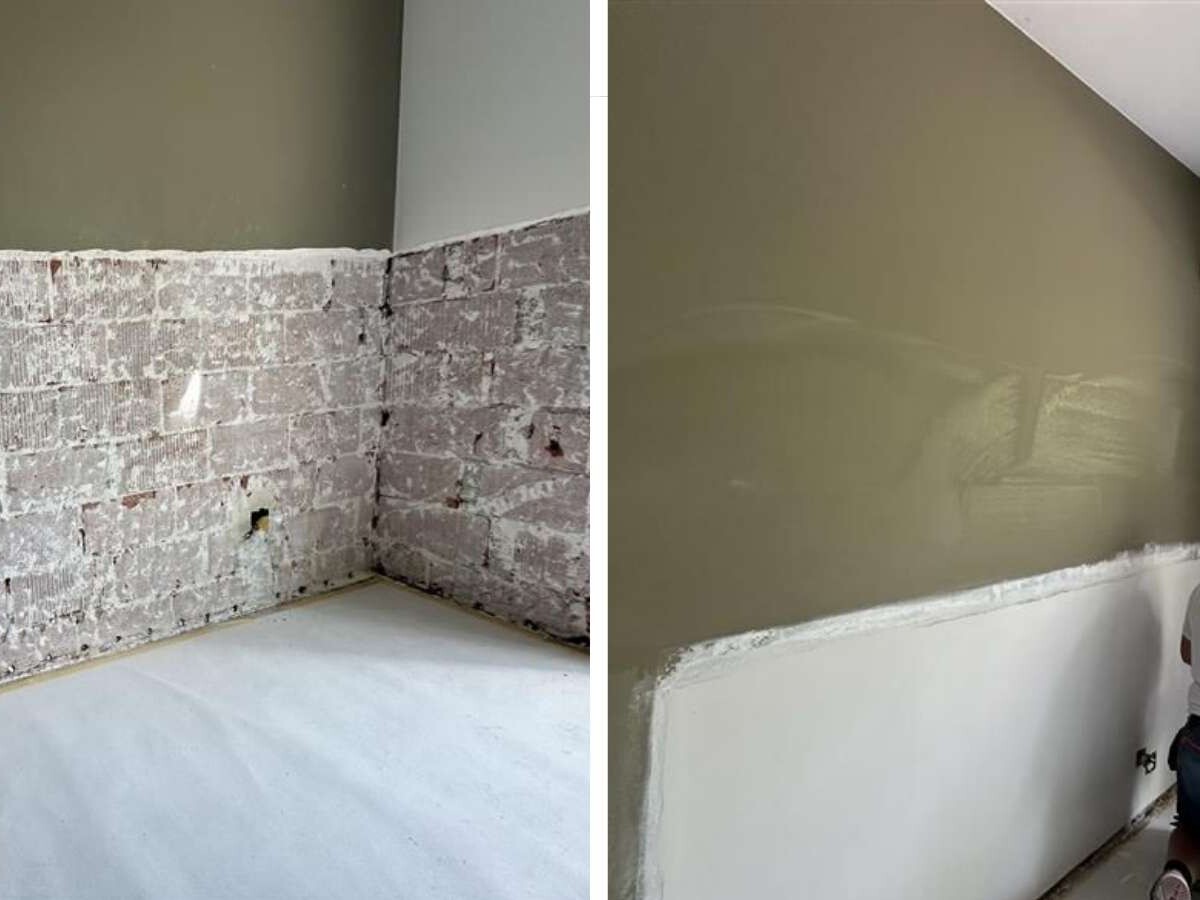
The step-by-step guide: From diagnosis to a damp-proof wall
Rising damp Treating damp is more than just drilling a few holes and filling them with a hydrophobic gel. It requires a well-thought-out approach to ensure that the accumulated salts and the finish of your wall are also dealt with correctly.
How much does treatment for rising damp cost?
A professional wall injection at rising damp costs on average between €100 and €150 per running metre (excluding VAT).The exact price depends on the wall thickness, accessibility and the salt-proofing required to resolve the damp problem once and for all. For properties over 10 years old, you’ll also benefit from the reduced VAT rate of 6%.
Say goodbye for good to rising damp in your home
Rising damp Addressing the issue once and for all is not a matter of merely alleviating symptoms for cosmetic reasons, but a necessary structural moisture solution to the value and health to protect your home. By opting for a precise moisture diagnosis, a professionally executed wall injection and the right salt-resistant finish, you will permanently eliminate the cause of the damp problem. With a guaranteed water-repellent barrier in your brickwork, groundwater won’t stand a chance and your walls will dry out in a controlled manner. Ready for a permanently dry home? Don’t let rising damp cause any further damage to the structure of your home. The experts at AquaConsult will visit you anywhere in Flanders for an accurate on-site damp assessment. They accurately measure the moisture content in your walls and draw up a clear, bespoke plan of action, including an official guarantee. Enquire now your free expertise to.
More information and brochure request
Answer the questions below and get more information and our brochure based on them. Would you like the cost price calculated? Then indicate this clearly in the text field below and we will do the necessary.