Ventilating your cellar to prevent damp and condensation: Here’s how to tackle the problem once and for all
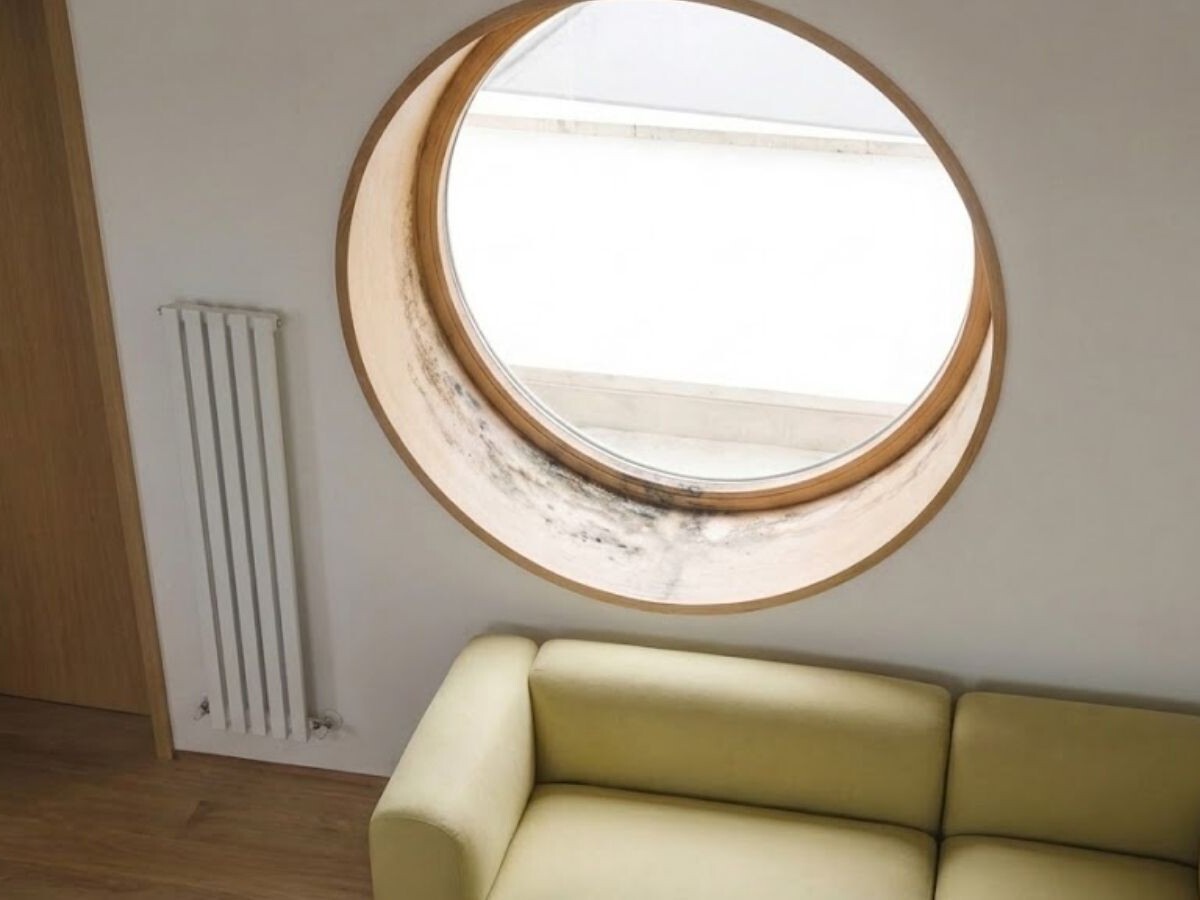
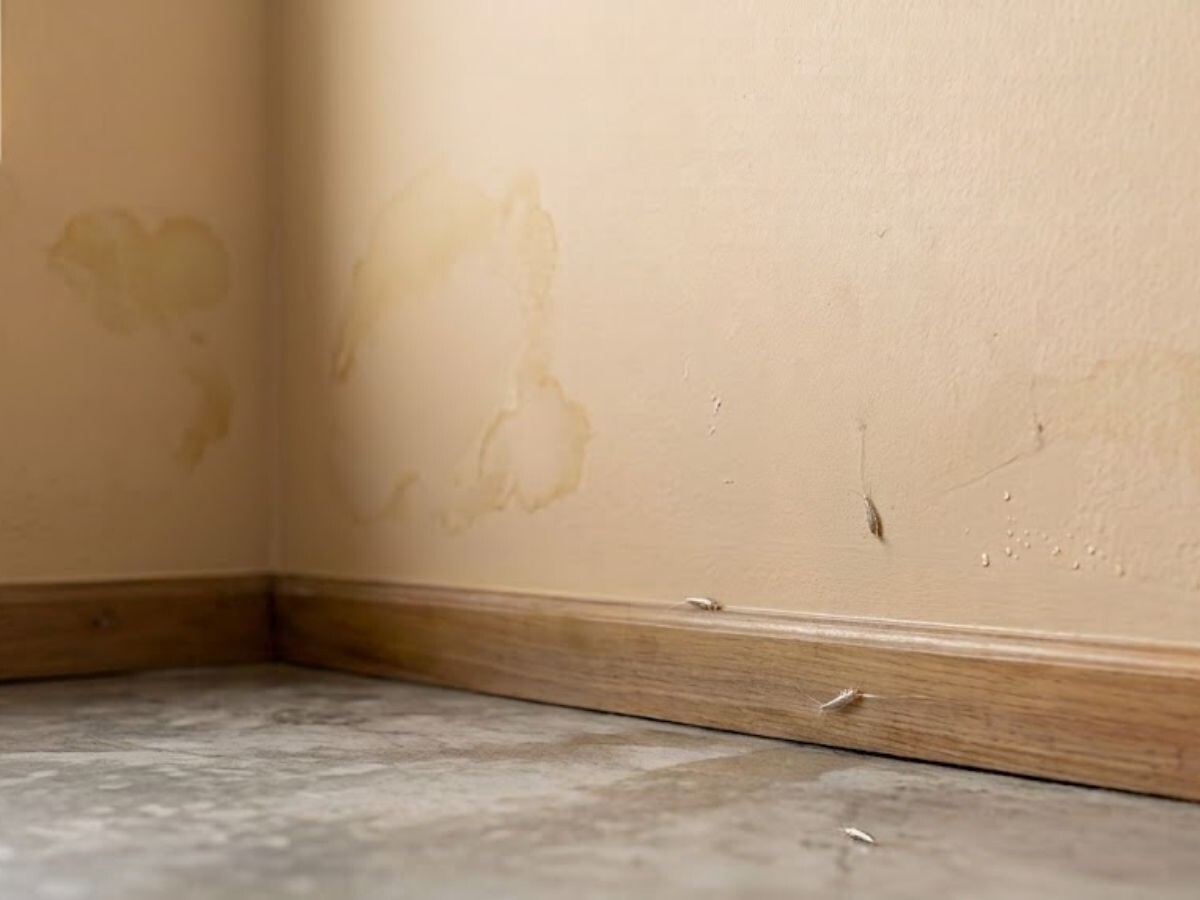
A damp feeling, mould on your stored belongings in the cellar, water droplets on the cellar ceiling or a persistent musty smell: these are all clear signs that your cellar is suffering from moisture problems. Your first instinct is simply to cut a small window in the damp cellar opening a window or putting a fan in to ventilate the damp room. In practice, this often only makes the situation in your cellar worse. Anyone wishing to ventilate a damp cellar effectively and permanently needs a well-designed damp control plan required. We at AquaConsult tackle the damp problem at source with mechanical ventilation which is tailored precisely to the situation in your home.


The danger of opening a window in a damp cellar
The damp cellar Airing out your home on a warmer day may seem sensible, but when it comes to a cellar, this is one of the most damaging things you can do. The fact is that in spring and summer – when you are most likely to be ventilating your cellar – the outside air contains enormous amounts of invisible water vapour. As soon as this warm, humid air flows into the cool, damp cellar, it cools abruptly to below the dew point. This results in summer condensation, because the outside air immediately condenses into droplets of water on your ice-cold cellar walls and ceiling.Simply opening a window to air out the cellar for a moment allows litres of extra moisture to enter your home without you even realising it. This then immediately causes a number of stubborn moisture problems.
What sort of damp problem is your damp cellar suffering from?
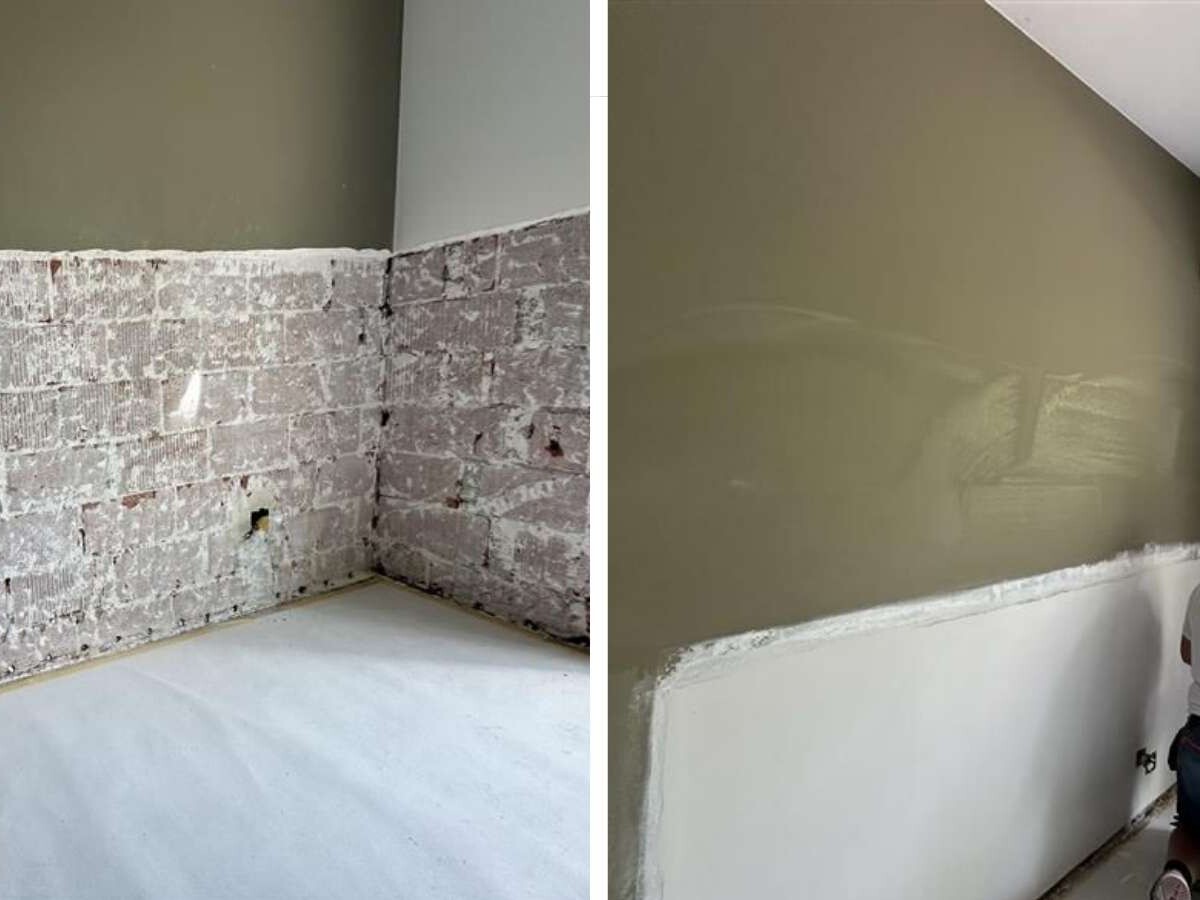
Before you a mechanical ventilation system chooses or has it installed by AquaConsult, is a thorough damp survey necessary. This is because mechanical ventilation controls the relative humidity in a specific living space and extracts moist indoor air to the outside, but it does not stop actively rising groundwater or burst pipes. Installing mechanical ventilation without knowing the exact cause of hthe damp problem in your cellar is like trying to mop up water whilst the tap is still running. That way, you’re only tackling the symptom, not the source of the damp.
AquaConsult’s approach: We always start with a damp survey tailored to your situation. Using professional hygrometers, infrared cameras and salt analyses, we pinpoint the exact cause of the damp problem in your cellar. This way, you can be sure that you’re investing in a damp solution that tackles the problem once and for all.
Why AquaConsult opts exclusively for type D balanced ventilation
As a cellar is an underground, enclosed space with no natural air flow or ventilation, a simple extraction system often fails to provide adequate control over the damp indoor air. AquaConsult therefore firmly opts for system D, namely balanced ventilation, as the sole quality standard for mechanical ventilation in your cellar.
AquaConsult’s mechanical balanced ventilation system works by continuously and controlled extracting the warm, damp air from the cellar whilst simultaneously supplying exactly the same amount of fresh, dry outside air. This ensures that the air pressure in the cellar remains perfectly balanced and that the indoor climate is optimally controlled.
- Full mechanical balanced ventilation: The ventilation system extracts the damp, humid and musty indoor air to the outside and mechanically blows fresh, filtered outdoor air into your cellar. This ensures that there is never any negative pressure in the cellar, prevents draughts from the underground space in your home, and ensures that no musty odours or damp are present that could spread to the rest of the house.
- Heat recovery: basements lose heat quickly with uncontrolled and natural ventilation. The integrated heat exchanger in our Type D ventilation system transfers the heat from the extracted indoor air to the incoming outdoor air. This keeps the cellar dry and maintains the desired temperature, all in an energy-efficient manner.
- Automatic dew point control: this is the ‘brain’ of the mechanical ventilation system. Sensors continuously measure the temperature and relative humidity, both in the cellar and outside. The control system therefore continuously calculates the absolute moisture content in the room. Only when the outside air is drier than the air inside the cellar does it balanced ventilation . This eliminates the risk of summer condensation completely in the cellar.
Why a precise, bespoke calculation is necessary
Too light mechanical ventilation system cannot get rid of the damp air in the cellar, resulting in condensation and fungi keep recurring. A mechanical ventilation system set too high, in turn, consumes an unnecessary amount of energy and causes draughts into the living areas above. Here at AquaConsult, we therefore calculate the required capacity of the balanced ventilation system precisely to suit your cellar, with a free expertise.
We use a formula to calculate the correct ventilation capacity for your specific cellar.
- Volume of the cellar (L × W × H in m³) × ventilation rate = required capacity in m³/h.
- For a typical damp cellar, we use a ventilation rate of 5 times the total air volume in the cellar per hour.
- Calculation example: a cellar measuring 30 m³ – for example, 4 m long, 3 m wide and 2.5 m high – requires a guaranteed air flow rate of 150 m³/h, assuming a ventilation rate of 5.
Once the mechanical ventilation system has been installed, both structurally and electronically, our experts the Type D ventilation system measured precisely using professional measuring equipment. This ensures you have a quiet, energy-efficient and optimally functioning ventilation system.
What are the benefits of mechanical ventilation in your cellar provided by AquaConsult?
Investing in a professional mechanical ventilation system, type D You shouldn’t view your cellar as an expense, but as a source of income for your home and your health. When AquaConsult fits your basement with mechanical ventilation, you’ll see immediate, tangible results.
Ready to ventilate your cellar properly?
A damp cellar Condensation, mould and a musty smell do not go away on their own, and opening a window for natural ventilation only makes the damp problem worse. With our professional, mechanical balanced ventilation system, type D, with dew point control, you can keep the damp problem in your cellar under control once and for all, protect the structural integrity of your home and create valuable living or storage space. Enquire today your free expertise contact AquaConsult or get in touch directly contact Get in touch with one of our experts. In just a few steps, you’ll be able to enjoy a dry, fresh, healthy and usable cellar once again.
More information and brochure request
Answer the questions below and get more information and our brochure based on them. Would you like the cost price calculated? Then indicate this clearly in the text field below and we will do the necessary.